News Summary
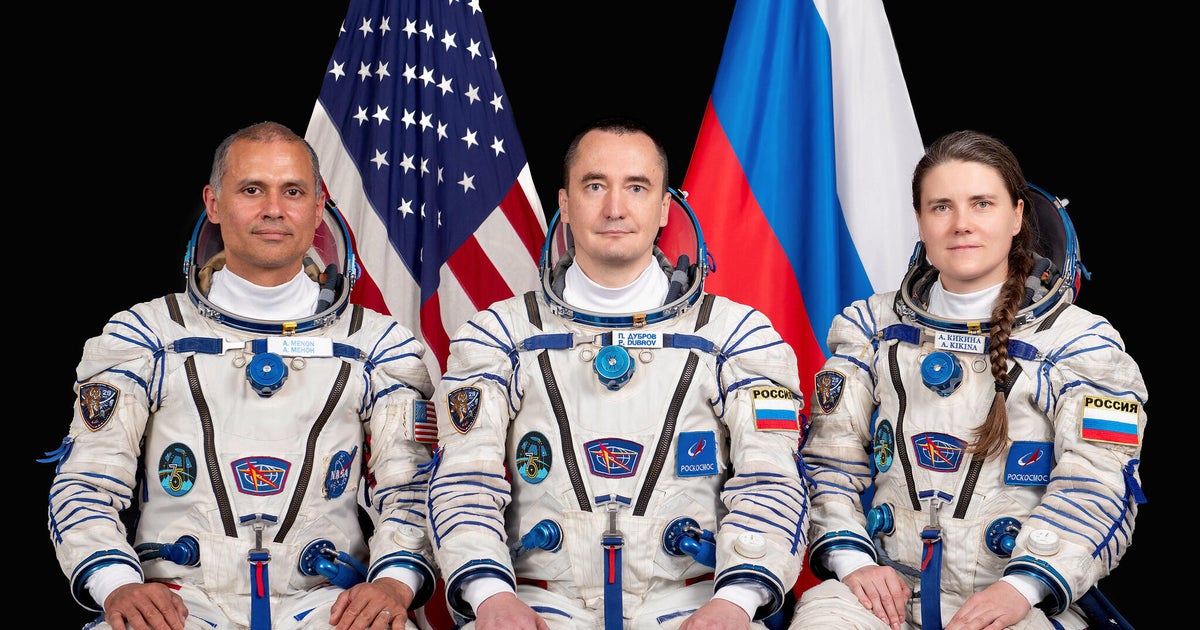
On July 14, 2026, Soyuz MS-29 launched from the Baikonur Cosmodrome in Kazakhstan at 10:47 a.m. EDT carrying commander Pyotr Dubrov, cosmonaut Anna Kikina, and NASA astronaut Anil Menon to the International Space Station. The Soyuz performed a smooth ascent and began a two-orbit rendezvous; docking to the Earth-facing Prichal module was expected about three hours and nine minutes after launch. The three will remain aboard the station for about 260 days (roughly eight months), replacing the Soyuz MS-28 crew who arrived in November and are concluding a ~240-day stay. Menon is a physician-astronaut who previously served as a NASA flight surgeon and at SpaceX before rejoining NASA’s astronaut corps; his wife Anna (a NASA astronaut selected in 2025) previously flew on a commercial Crew Dragon flight. The flight is part of an arrangement between NASA and Roscosmos that keeps at least one American on Soyuz and one Russian on Crew Dragon to ensure cross-operability and personnel coverage should one vehicle depart early. Crew members aboard the ISS prepared to welcome the new arrivals. The mission reflects an ongoing pattern of international crew rotations and an extension of some Russian stays onboard to reduce cargo requirements.
Biblical Reflection
This report is primarily a factual, human-interest account of a routine crew rotation to the ISS that also highlights international cooperation in space operations. The article’s emphasis on Menon’s background personalizes the story and invites admiration for skill, perseverance, and family sacrifice—responses that are fitting when celebrating scientific progress. From a Christian perspective, the mission can be seen as an expression of human creativity and stewardship of knowledge; it also models cooperation across national lines for a common good. The piece contains no obvious factual distortions or inflammatory framing, though it leans toward a hopeful, achievement-focused narrative and downplays larger geopolitical tensions that can affect space partnerships. Christians should celebrate the gifts and teamwork on display while remaining sober about dependencies (technical, political) that make cooperative frameworks fragile. Pray for the safety and humility of those who go, and watch for how scientific pursuits align with care for neighbor and the common good.
Scripture in context
This outlook does not yet include contextual Scripture citations. Do not treat a general biblical theme as an exegetical conclusion.
Faithful Response
No prescribed response is offered. Consider the reflection prompts below in your own church context.
Reflection and Discussion
- 1How does international cooperation on the ISS reflect our calling to seek the good of others across national and cultural boundaries?
- 2What vulnerabilities arise when vital scientific operations depend on fragile political or technical agreements, and how should Christians weigh those risks?
- 3Are we tempted to idolize technological achievement for its own sake, or can we steward scientific progress in ways that serve human flourishing?
Sources
Reporting links are evidence inputs; Sanctuary News' biblical reflection is commentary.
This outlook currently relies on fewer than two linked sources. Broaden verification before teaching from it.
- 1.Original reportprimary