News Summary
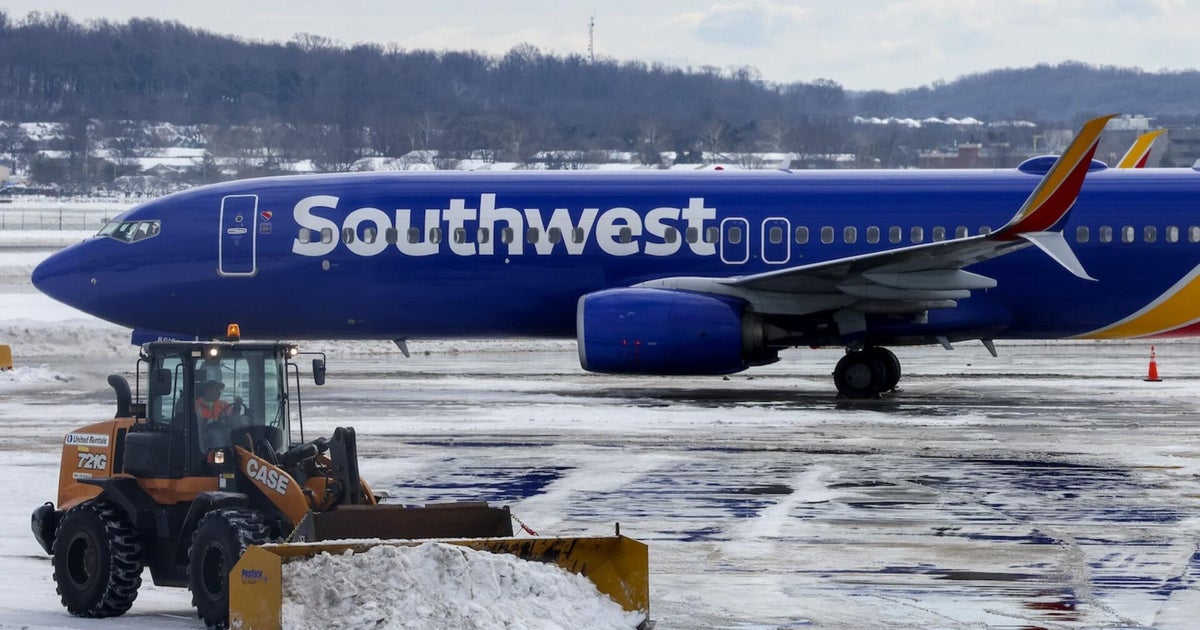
Southwest Airlines announced a revision to its "customers of size" seating policy. Under the new guidance, gate agents will arrange a free second seat for passengers who need extra room when two adjacent seats are available on the flight. The change reverses part of a January policy that required passengers who needed a second seat to purchase it in advance. If no two adjacent seats are available, Southwest will rebook the passenger on a later flight. Southwest continues to encourage passengers who expect to need extra space to buy another seat before travel to avoid airport inconvenience. After travel, eligible passengers may request a refund for the extra seat within 90 days if the flight departed with at least one open seat and both seats were booked in the same fare class. The article notes that Delta, United and American Airlines require advance purchase of an additional seat for passengers who encroach on neighboring seating and that the National Association to Advance Fat Acceptance criticized Southwest's earlier policy as more restrictive. The story includes reactions from a travel expert and social media users and cites Southwest's statement about seeking a more consistent customer experience.
Biblical Reflection
This policy reversal illustrates the tension between operational safety, commercial considerations, and human dignity. The airline framed the change as an attempt to create a more consistent customer experience, while critics framed the earlier policy as excluding and stigmatizing larger passengers. The article reports facts and some reactions but largely leaves deeper questions—about fairness, accessibility, and how language shapes public perception—unexamined. From a Christian perspective, policies that affect vulnerable or stigmatized people deserve careful scrutiny: are they safeguarding safety and legitimate operational needs, or do they inadvertently shame and marginalize? Christians should advocate for policies that balance legitimate safety concerns with the respect and compassion owed to every person made in God's image. That means pressing companies for clear, humane procedures, training staff to act with dignity, and supporting structural solutions (e.g., better seating options or clearer refund processes) rather than defaulting to punitive or shaming approaches.
Scripture in context
This outlook does not yet include contextual Scripture citations. Do not treat a general biblical theme as an exegetical conclusion.
Faithful Response
No prescribed response is offered. Consider the reflection prompts below in your own church context.
Reflection and Discussion
- 1Which values (safety, profit, convenience, dignity) seem to be driving airline seating rules, and which deserve more emphasis?
- 2How does the language used in policies and reporting (for example, 'encroach' or 'customers of size') shape our attitudes toward people who don't fit standard seats?
- 3What practical changes would honor both operational needs and the inherent dignity of travelers who need extra space?
Sources
Reporting links are evidence inputs; Sanctuary News' biblical reflection is commentary.
This outlook currently relies on fewer than two linked sources. Broaden verification before teaching from it.
- 1.Original reportprimary