News Summary
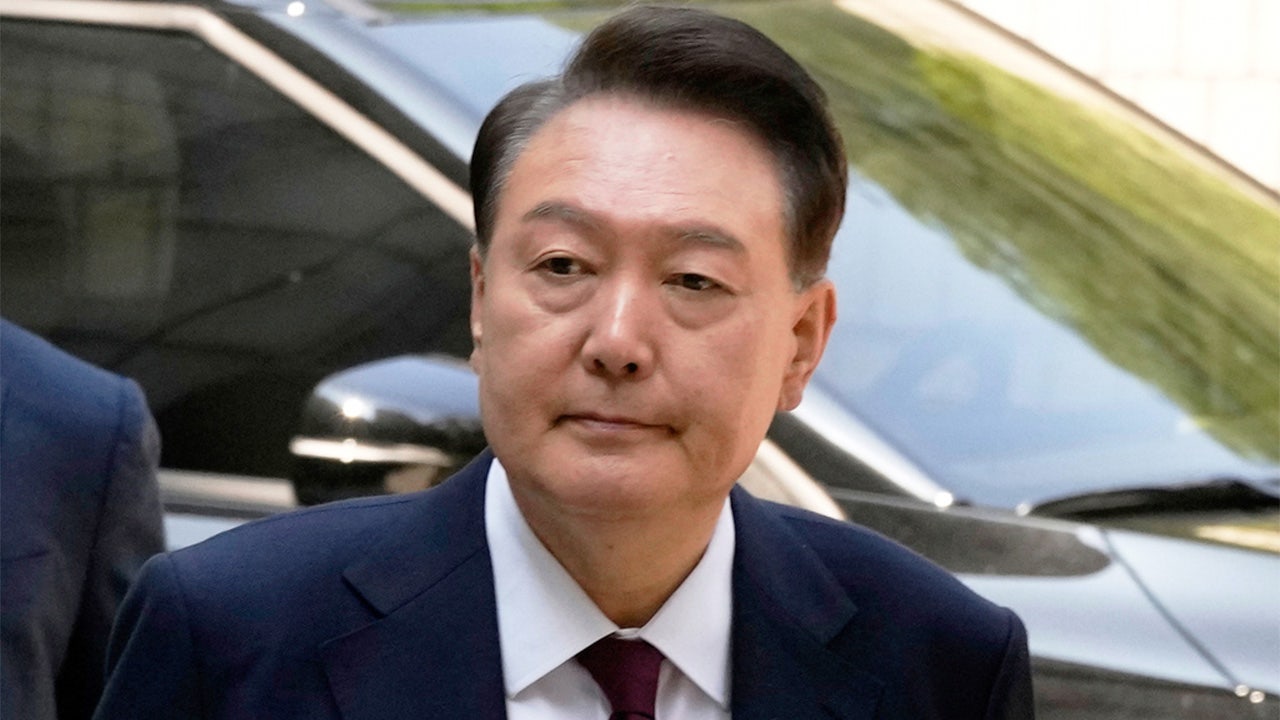
Former South Korean President Yoon Suk Yeol is on trial, facing the possibility of the death penalty after being accused of orchestrating a 'self-coup' by declaring martial law in December 2024. Prosecutors argued that his actions were anti-state and aimed at undermining South Korea’s constitutional democracy to retain power. Yoon, who was removed from office and remains in custody, maintains his innocence, claiming his actions were a response to threats from the opposition and not an attempt at rebellion. He faces multiple criminal charges related to his presidency. Legal experts predict a life sentence is more likely, given that South Korea has not executed anyone since 1997. The verdict is expected next month. Yoon is the first former president to face a potential death sentence since Chun Doo-hwan, whose sentence was later commuted and pardoned.
Biblical Reflection
Scripture teaches that all leaders and rulers are accountable to God for their actions (Romans 13:1-4). When those in authority abuse their power or seek to subvert just governance for personal gain, it stands in opposition to biblical teachings on justice, humility, and servant leadership. The pursuit of truth and justice in this high-profile case is necessary, but the demand for the death penalty raises further moral considerations. Jesus calls us to pursue justice with mercy (Micah 6:8; Matthew 5:7), cautioning against vengeance and the misuse of judgment. While a government must uphold law and order, Christians are reminded that ultimate justice belongs to God, and true repentance and restoration are always possible. The events serve as a sober reminder of the dangers of pride, the misuse of authority, and the importance of truth and accountability at every level of leadership.
Scripture in context
This outlook does not yet include contextual Scripture citations. Do not treat a general biblical theme as an exegetical conclusion.
Faithful Response
No prescribed response is offered. Consider the reflection prompts below in your own church context.
Reflection and Discussion
- 1How do I respond when those in authority are accused of wrongdoing?
- 2In what ways can I seek both justice and mercy in situations of conflict or wrongdoing?
- 3What does it look like to pray for truth, repentance, and restoration for leaders and nations?
Sources
Reporting links are evidence inputs; Sanctuary News' biblical reflection is commentary.
This outlook currently relies on fewer than two linked sources. Broaden verification before teaching from it.
- 1.Original reportprimary