News Summary
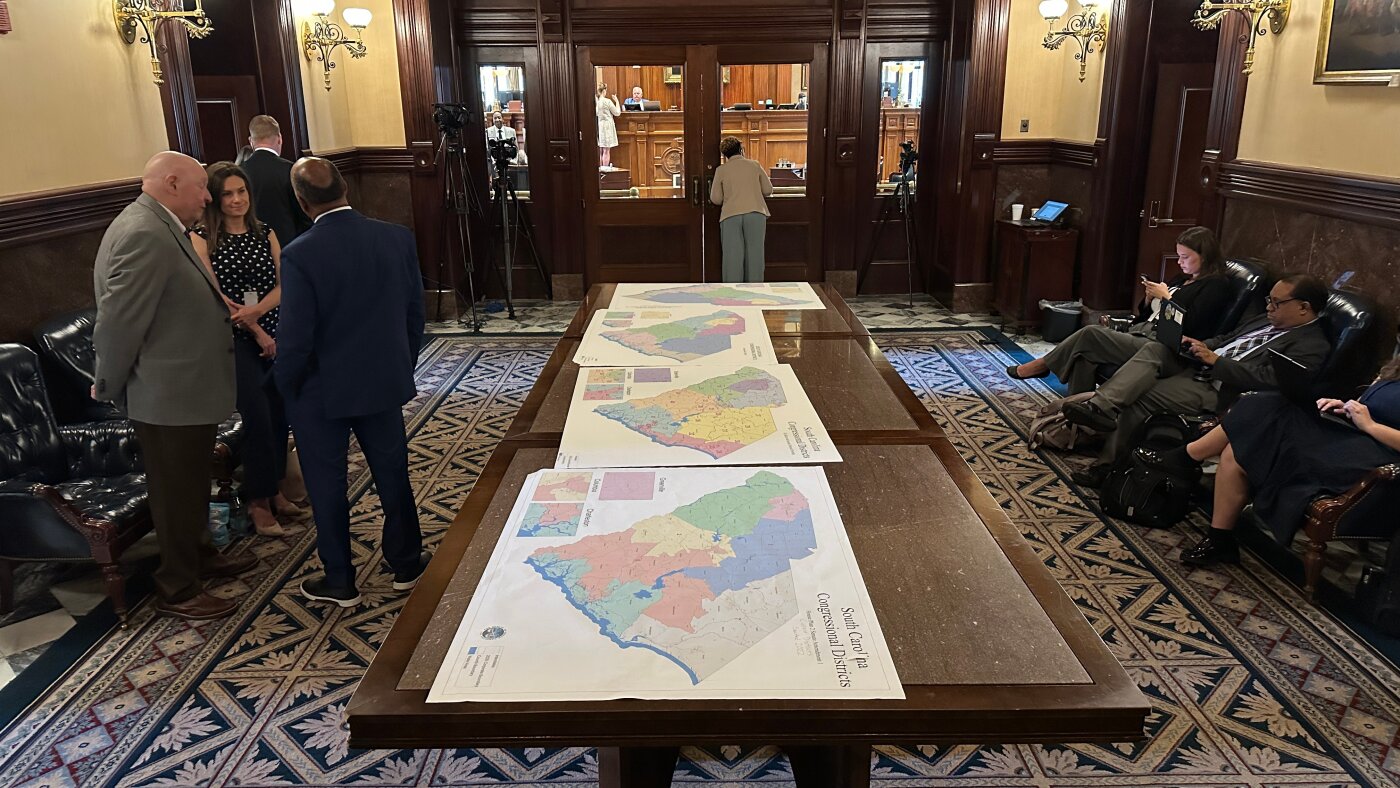
The South Carolina Senate voted against a mid-decade congressional redistricting bill supported by former President Donald Trump. The effort aimed to redraw the state's seven congressional districts to make them all lean Republican and to flip the seat held by Democratic Rep. Jim Clyburn. On a key procedural motion to end debate and bring the bill to a vote, 12 Republican senators joined 12 Democrats to block the 26 votes needed; a second procedural motion also failed. Some Republican senators cited that early voting for the June 9 primary had already begun and raised concerns the rushed process could disenfranchise voters. Senators in South Carolina are not up for reelection this year, a factor observers said may have reduced pressure on them to comply with outside demands. In the broader national context, Republicans have pursued mid-decade redistricting in multiple states, gaining an estimated net advantage of about nine U.S. House seats so far amid ongoing court challenges. The article also notes related developments, including a federal court temporarily blocking a redistricting plan in Alabama.
Biblical Reflection
This story shows a collision between political strategy and the practical realities of voting access. The stated aim of the redistricting effort—shifting seats for partisan advantage—reflects a political calculus that treats electoral maps as tools for maximizing power. The Senate's decision to halt the rushed process points to genuine concerns about voter disenfranchisement and procedural fairness. From a Christian perspective, the key issues are truthfulness, protection of the vulnerable, and stewardship of civic institutions. Christians ought to scrutinize power-driven maneuvers that risk silencing or marginalizing neighbors, while also recognizing the legitimate role of lawful political advocacy. The coverage is largely factual, though framed around Trump's national push; readers should note that the article emphasizes procedural votes and statements from politicians rather than deeper racial or legal analyses of the maps themselves. Pastoral discernment calls for defending just access to the ballot, resisting tribal pressure that treats people as means to an end, and praying for leaders to act with integrity and humility.
Scripture in context
This outlook does not yet include contextual Scripture citations. Do not treat a general biblical theme as an exegetical conclusion.
Faithful Response
No prescribed response is offered. Consider the reflection prompts below in your own church context.
Reflection and Discussion
- 1Am I seeing voters as people to be served or as numbers to be manipulated when maps and strategies are discussed?
- 2What patterns of power and pressure are at work here, and how should Christians weigh procedural fairness against partisan aims?
Sources
Reporting links are evidence inputs; Sanctuary News' biblical reflection is commentary.
This outlook currently relies on fewer than two linked sources. Broaden verification before teaching from it.
- 1.Original reportprimary