News Summary
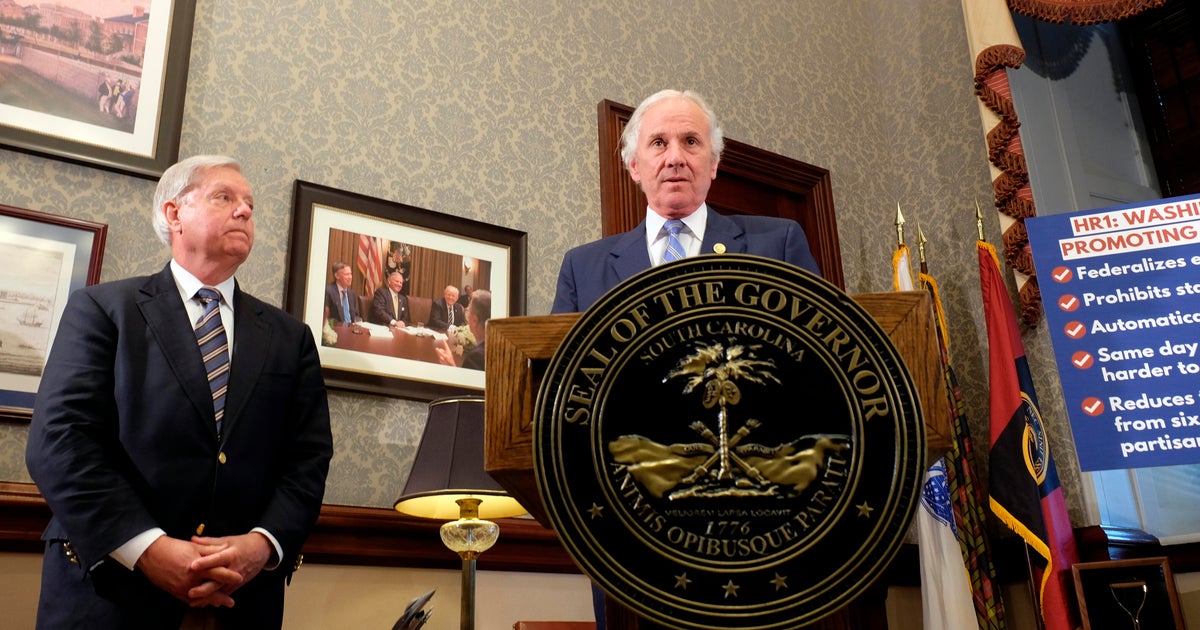
South Carolina Gov. Henry McMaster scheduled a press conference Monday at 4 p.m. to announce his appointment to fill the U.S. Senate vacancy created by Sen. Lindsey Graham's death. The appointee will serve through the end of Graham's current term (at least until Jan. 3). A special Republican primary on Aug. 11 will determine the party's nominee for the November ballot to run for the full six-year term. Lindsey Graham, 71, died Saturday; preliminary medical examiner findings suggested an aortic dissection. On Monday morning, former President Donald Trump publicly endorsed Graham's sister, Darline Graham Nordone, as an interim senator. Republican Sen. Tim Scott said Nordone “would be a wonderful placeholder” and has spoken with her; Scott is expected to attend McMaster's announcement. The interim senator is set to be sworn in on Wednesday. Other potential candidates mentioned include South Carolina Lt. Gov. Pamela Evette and Rep. Ralph Norman; McMaster may be reluctant to appoint a sitting House member because of the narrow Republican majority there.
Biblical Reflection
The article is straightforward reporting of a routine constitutional and political process: a governor exercising his authority to fill a Senate vacancy while the party prepares for a primary and general election. It notes factual details—timing, the temporary nature of the appointment, competing potential appointees, and public endorsements—without obvious editorializing. From a Christian perspective, this moment invites attention to how power, legacy, and public trust intersect. Appointing a grieving senator's relative can be a sincere tribute, but it also raises questions about merit, patronage, and the appearance of impropriety; Christians should weigh compassion for the bereaved alongside the need for competent stewardship of civic office. Public endorsements by powerful figures can influence mourning families and political calculations; believers should be wary of conflating loyalty or sentiment with the demands of justice and wise governance. Ultimately, the community's welfare and the integrity of democratic processes matter more than symbolic gestures. Christians can pray for humility, transparency, and for leaders who serve the common good rather than personal or partisan advantage.
Scripture in context
This outlook does not yet include contextual Scripture citations. Do not treat a general biblical theme as an exegetical conclusion.
Faithful Response
No prescribed response is offered. Consider the reflection prompts below in your own church context.
Reflection and Discussion
- 1Does honoring a deceased leader by appointing a relative risk substituting sentiment for qualified stewardship, and how should that shape our expectations of public office?
- 2How do public endorsements by powerful figures affect the fairness of interim appointments and the public's trust in democratic processes?
- 3When speed and continuity are prioritized after a sudden vacancy, what safeguards are needed to ensure accountability and the common good?
Sources
Reporting links are evidence inputs; Sanctuary News' biblical reflection is commentary.
This outlook currently relies on fewer than two linked sources. Broaden verification before teaching from it.
- 1.Original reportprimary