News Summary
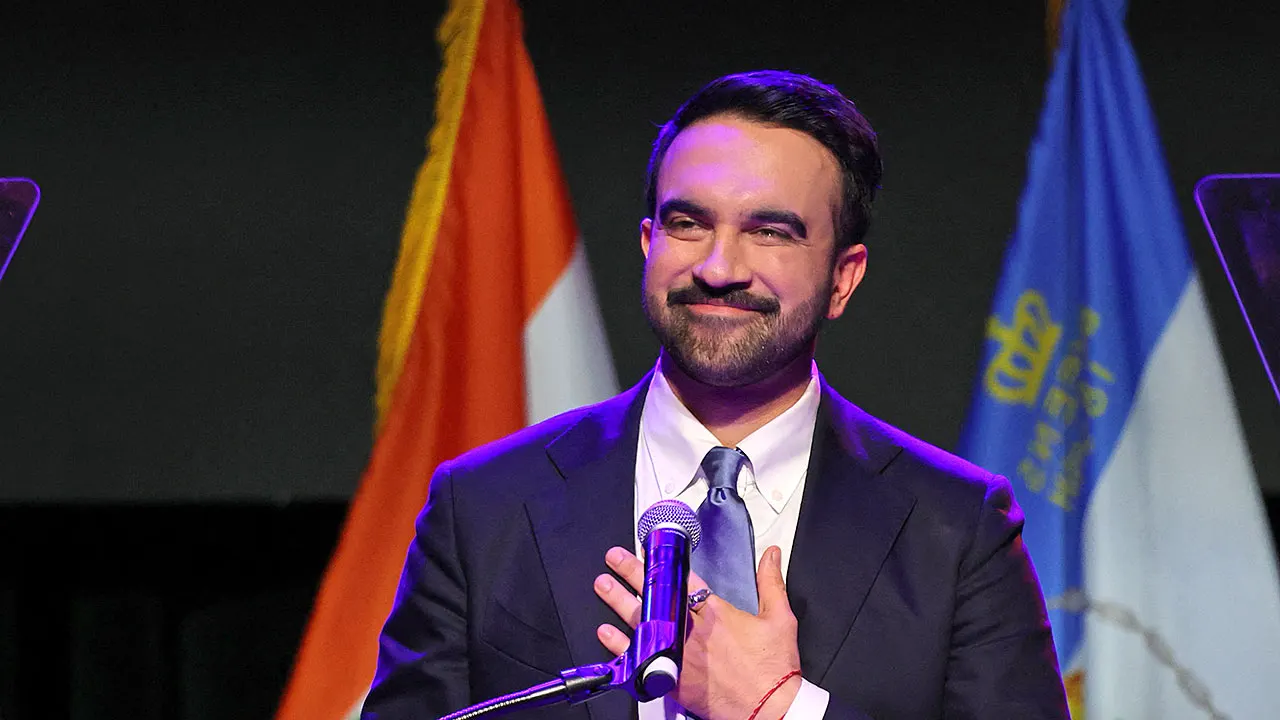
The article reports on the political challenges faced by New York Democrats following the election of Zohran Mamdani as New York City's mayor. Some Democrats, particularly in Nassau County, express concern that Mamdani's progressive and socialist-leaning platform is making it harder for more moderate Democrats to appeal to their suburban base. This has been further complicated by the success of Republican candidates in Nassau County, where they swept all contested executive positions. Republicans have seized on Mamdani's election to portray Democrats as extremists and have used this narrative to their advantage in local elections. Democratic leaders are divided over how to respond, with some urging respect for the will of New York City voters while others criticize the party's internal discord and messaging. The article includes statements from various party officials and details ongoing debates about party identity and strategy in a politically diverse state.
Biblical Reflection
From a biblical perspective, the story highlights the tension and division that can emerge when political identity and power become central concerns. Scripture warns against factions and the pursuit of power for its own sake (James 3:16; Galatians 5:19-21). The article illustrates how fear, accusation, and labeling are used as political tools to gain advantage, rather than fostering understanding or unity. Christians are called to seek truth, justice, and the common good, and to avoid bearing false witness or sowing discord (Exodus 20:16; Proverbs 6:16-19). The struggle within the Democratic Party, and the strategies employed by both parties, reflect the human tendency to divide and demonize rather than to listen and build bridges. While political differences are inevitable, believers are reminded to pray for leaders and seek peace (1 Timothy 2:1-2), striving to be peacemakers and voices of reason in a fractious climate.
Scripture in context
This outlook does not yet include contextual Scripture citations. Do not treat a general biblical theme as an exegetical conclusion.
Faithful Response
No prescribed response is offered. Consider the reflection prompts below in your own church context.
Reflection and Discussion
- 1How can I respond to political divisions in my community in a way that reflects Christ's call to peacemaking?
- 2Am I contributing to unity and understanding, or to discord and polarization in my conversations about politics?
- 3What steps can I take to pray for and support leaders, even those with whom I disagree?
Sources
Reporting links are evidence inputs; Sanctuary News' biblical reflection is commentary.
This outlook currently relies on fewer than two linked sources. Broaden verification before teaching from it.
- 1.Original reportprimary