News Summary
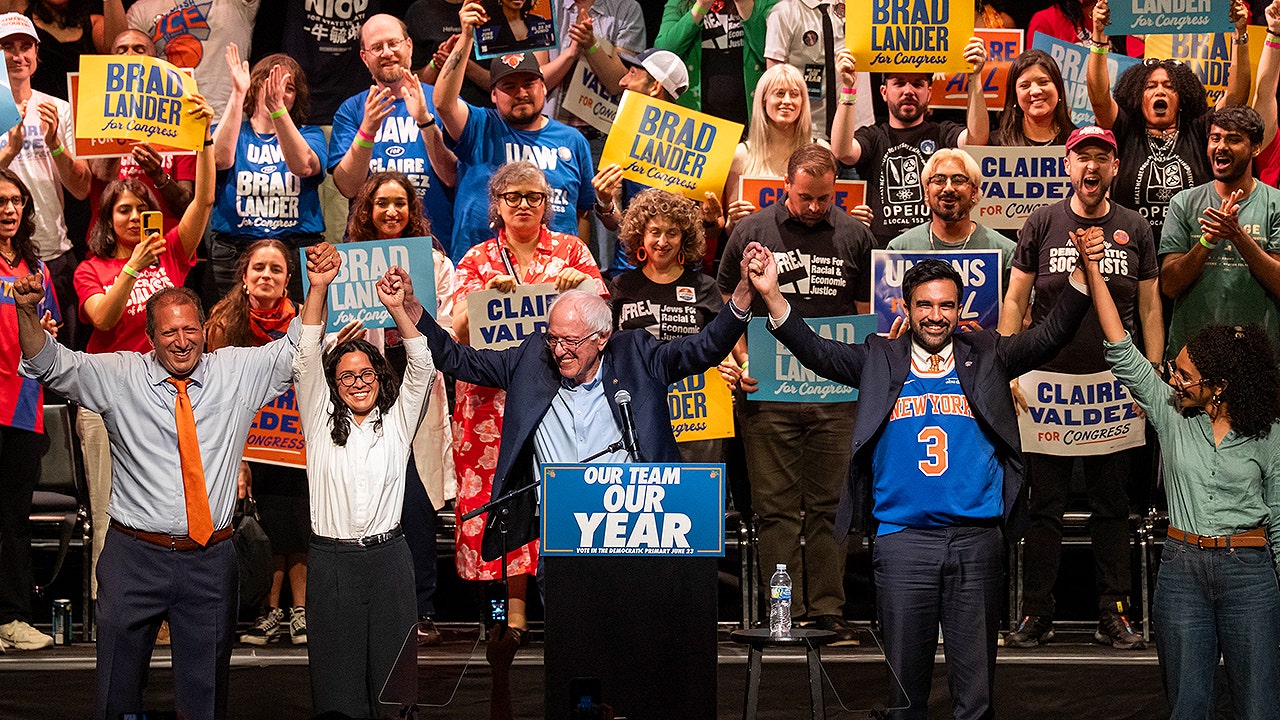
In New York City primary elections, at least a dozen candidates endorsed by the New York City chapter of the Democratic Socialists of America (DSA) won nomination contests. Winners highlighted in reporting include Brad Lander, Darializa Avila Chevalier, and Claire Valdez, with two of those victories unseating incumbent Democratic U.S. representatives (Dan Goldman and Adriano Espaillat) in deep-blue districts, effectively positioning the nominees for likely November general-election wins. A DSA leader recorded on a post-election call said socialists now represent "more than three million New Yorkers" in some cases at multiple levels of government and warned others not to attempt to break their hold on those areas. Senator Bernie Sanders praised the results as evidence that "the era of status quo politics is over," urged Democrats to heed the voters who elected these candidates, and credited grassroots organizing for overcoming well-funded opposition from super PACs and industry-backed groups. The article notes the new nominees ran on platforms aligned with Mayor Zohran Mamdani's agenda, described as socialist economic policies, skepticism toward Israel, and opposition to ICE. Reactions from national leaders are mixed: House Minority Leader Hakeem Jeffries reportedly downplayed the impact, while House Speaker Mike Johnson criticized Democratic leadership, using terms like a "Marxist march." The reporting appears on Fox News and includes commentary about the implications for Democratic Party leadership and future congressional dynamics.
Biblical Reflection
This story documents a localized but consequential political shift: organized left-wing forces consolidated influence in several New York primaries and are pressing the broader Democratic Party for policy priority and respect. The article is factual about outcomes, but its framing (choice of quotes, emphasis on terms like "Marxist march," and selective policy labels) reflects a perspective intent on highlighting ideological threat and intra-party conflict. Christians approaching this should look beyond labels and partisan tone to assess concrete policy proposals, governance competence, and impacts on neighbors—especially the poor, immigrants, and vulnerable groups who are most likely to be affected by municipal and congressional policy changes. Scripture calls believers to seek truth, protect the vulnerable, and pursue justice with mercy; those commitments require careful fact-checking (for example, verifying turnout, margins, and what a "mandate" actually covers), resisting hyperbolic rhetoric, and evaluating whether proposed policies serve the common good. Politically, the episode shows how organization and local engagement can shift power; pastorally, it warns against idolizing movements or demonizing opponents. The Christian response should be measured: uphold accountable leadership, insist on policies that honor human dignity, and practice humility and peacemaking amid polarization.
Scripture in context
This outlook does not yet include contextual Scripture citations. Do not treat a general biblical theme as an exegetical conclusion.
Faithful Response
No prescribed response is offered. Consider the reflection prompts below in your own church context.
Reflection and Discussion
- 1Does this coverage focus more on ideological labels and threats than on the specific policy changes these candidates propose and their likely effects on communities?
- 2Who are the most materially affected people in the districts where these wins occurred, and how will proposed policies help or harm them?
- 3Are claims of a broad "mandate" supported by turnout and vote margins, or are they political rhetoric meant to consolidate power?
Sources
Reporting links are evidence inputs; Sanctuary News' biblical reflection is commentary.
This outlook currently relies on fewer than two linked sources. Broaden verification before teaching from it.
- 1.Original reportprimary