News Summary
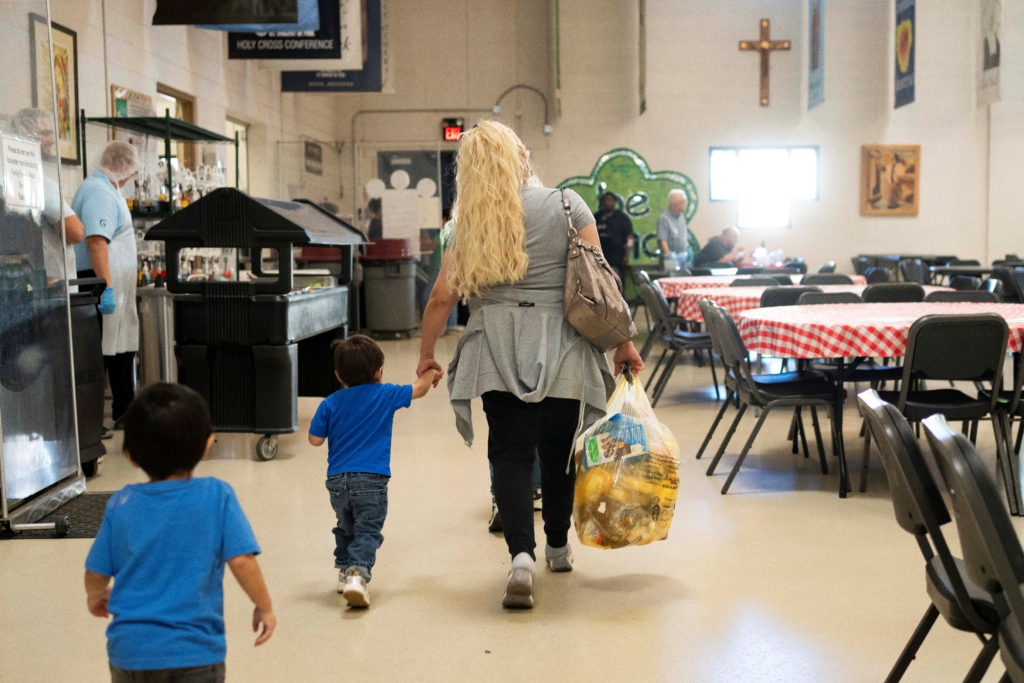
Reported facts: PBS NewsHour reports that SNAP enrollment declined by more than 13% over a 12-month span and that the decline is larger than the government's estimate. Attributed claims: The article links the decline to the implementation of work requirements and other provisions tied to legislation associated with President Donald Trump. Uncertainty: The supplied piece does not provide detailed numeric context (total enrollment numbers, baseline, precise dates), independent corroboration, or analysis isolating causation from administrative or economic factors.
Source and Framing Analysis
Material uncertainties include timing, baseline enrollment figures, and the strength of causal attribution to policy changes. The article frames the enrollment drop primarily as a consequence of new work requirements and provisions; without supporting data in the supplied text (e.g., administrative records, state-by-state breakdowns, or statements from SNAP administrators), that causal link remains plausible but not fully demonstrated. The piece uses an administration-linked descriptive phrase for the legislation, which may reflect political framing rather than neutral policy nomenclature; readers should note the difference between reported statistics and interpretive explanation.
Biblical Reflection
This report raises urgent moral and practical concerns from a Christian perspective. If a major social-safety-net program shows a rapid enrollment decline, the likely immediate human consequence is increased food insecurity for vulnerable people — the very neighbors Scripture calls us to notice and serve. Christians should respond with compassion, seeking facts while preparing to relieve need through local charity and congregational care.
At the same time, the article links the enrollment drop to policy changes (work requirements and other provisions). That causal framing should be treated carefully: the report presents the policy connection as the central explanation but provides no detailed evidence here about how much of the decline is directly caused by those provisions versus other factors (economic conditions, administrative changes, outreach differences, or data timing). Christian discernment requires both a commitment to truth (avoiding snap conclusions) and a readiness to act mercifully where need exists.
Finally, the story exposes a broader civic responsibility: Christians are called both to feed the hungry and to pursue justice in public policy. That means we should support clear, verifiable information, advocate for policies that protect the vulnerable, and ensure our local churches and ministries are equipped to serve those affected if this decline reflects a real drop in food access.
Scripture in context
- 1Matthew 25:35-40 — In this passage Jesus describes care for 'the least of these' — feeding the hungry, welcoming the stranger, clothing the naked — as the measure by which his people will be judged. It is part of a larger eschatological teaching about final accountability and compassionate action. — The passage calls Christians to practical care for those in tangible need; policy debates that affect food access should be examined through the question of whether they protect or expose neighbors to avoidable harm, and congregations should be prepared to meet needs regardless of political outcomes.
Faithful Response
Pray for wisdom and for those affected by food insecurity.
Verify facts before assuming causes: seek local and state SNAP enrollment data and statements from program administrators.
Mobilize local church resources to supplement food access (food pantries, meal programs) and partner with established anti-hunger organizations.
Advocate politely and constructively with elected officials for policies that protect access to essential support and reduce administrative barriers for vulnerable people.
Reflection and Discussion
- 1Are we quick to attribute complex social outcomes to single causes, and how does that affect our ability to respond with both truth and mercy?
- 2What patterns of vulnerability in our community would be made worse if public benefits shrink, and how should the church prepare?
- 3How can Christians participate in civic processes to ensure policy changes do not create hidden hardship for the poor?
Sources
Reporting links are evidence inputs; Sanctuary News' biblical reflection is commentary.
This outlook currently relies on fewer than two linked sources. Broaden verification before teaching from it.
- 1.Enrollment in SNAP grocery aid is dropping faster than expectedprimary_reporting