News Summary
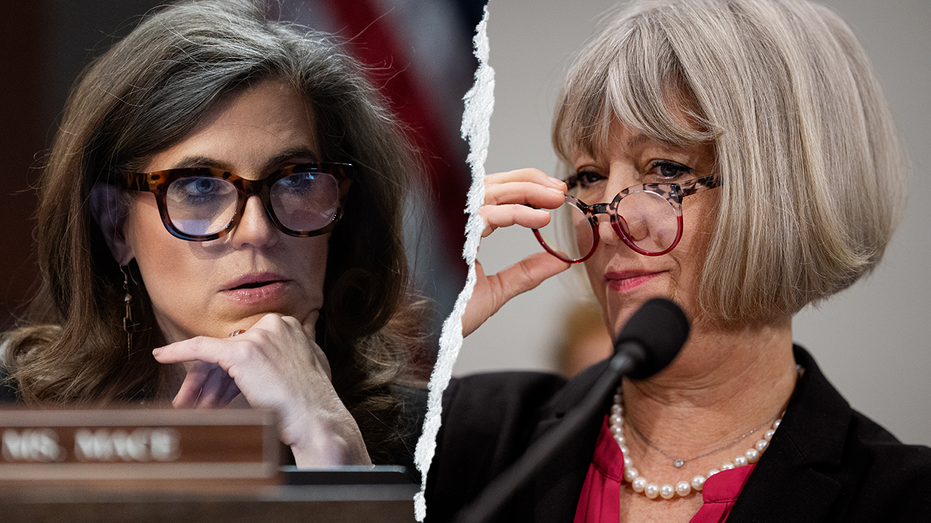
Reported facts: Fox News published an item saying Smithsonian history museum director Anthea Hartig was pressed by Rep. Nancy Mace about gender questions tied to drag-related displays and that Hartig at times answered, “I’m not sure.” Attributed claims: the quoted language and characterization of Hartig as “stumbling” come from the Fox News account. Uncertainties: the supplied report does not include a full hearing transcript or independent corroboration of the exchange, nor does it provide detailed context about the allegedly contested displays or Hartig’s broader testimony.
Source and Framing Analysis
The single supplied source is a brief Fox News report that emphasizes an exchange intended to highlight the director’s uncertainty. The framing centers on an adversarial congressional question-and-answer moment; absence of a full transcript or original video in the supplied material limits ability to confirm tone, context, or whether follow-up clarification was offered. The story’s impact depends on broader context (the committee, complete testimony, and the precise nature of the museum program), which the supplied article does not provide.
Biblical Reflection
This item sits at the intersection of public accountability and cultural debate. Christians should welcome careful oversight of public institutions and clear answers from those who steward taxpayer-supported cultural bodies. At the same time, the reporting pattern—short clips or summaries that highlight a single awkward exchange—can reduce complex issues to moments that encourage mockery or polarized reaction rather than thoughtful engagement.
When questions about identity, children’s access to programming, and public funding arise, Scripture's call to truthful speech and humility matters. Truth requires accurate facts and full context; humility resists triumphalizing another’s uncertainty. Mercy asks us to remember the human dignity of everyone involved, including public servants who may face rapid questioning under pressure. Justice and neighbor-love require both clear institutional accountability and care for vulnerable persons who may be affected by programming decisions.
Practically, Christians should neither reflexively cheer a soundbite that seems to embarrass an official nor uncritically dismiss legitimate oversight. Instead, seek fuller information, weigh the facts loyally to the truth, and respond with a posture shaped by both conviction and compassion.
Scripture in context
- 1James 1:19 — James advises early Christian communities on practical wisdom for communal life—urging believers to be quick to listen, slow to speak, and slow to anger as a means of preserving community and preventing harm. — Apply this by gathering fuller information and listening carefully to testimony rather than making immediate public judgments based on a short excerpt; let careful listening shape any corrective action.
- 2Ephesians 4:15 — Paul encourages the Ephesian church to speak the truth in love so that the whole body grows toward maturity; the emphasis is on truthful communication shaped by love and the aim of building others up. — When responding to contested cultural issues, aim to correct and clarify with a posture of love—seeking understanding and constructive outcomes rather than public shaming.
Faithful Response
Pray for those involved (officials, lawmakers, and those affected) and seek humility before rushing to judgment.
Request or review primary sources (full hearing transcript or video) before forming or sharing firm conclusions.
Engage local church leaders or small groups in conversation that combines careful fact-checking with compassion and biblical reflection.
If concerned about institutional practice, pursue accountable channels: submit reasoned questions to museum leadership or participate in public comment opportunities rather than amplifying partial clips.
Reflection and Discussion
- 1What standards of truthfulness and fairness should we demand from public institutions, and how do we verify that those standards are met before forming a lasting judgment?
- 2How does our reaction to a brief, high-pressure exchange reveal whether we’re more committed to scoring cultural points or to pursuing honest accountability?
- 3In public debates over gender and cultural programming, how can Christians hold both to moral convictions and to the dignity of those who may disagree?
Sources
Reporting links are evidence inputs; Sanctuary News' biblical reflection is commentary.
This outlook currently relies on fewer than two linked sources. Broaden verification before teaching from it.
- 1.WATCH: Smithsonian history museum director stumbles over basic questions on sex: ‘I’m not sure’primary_reporting