News Summary
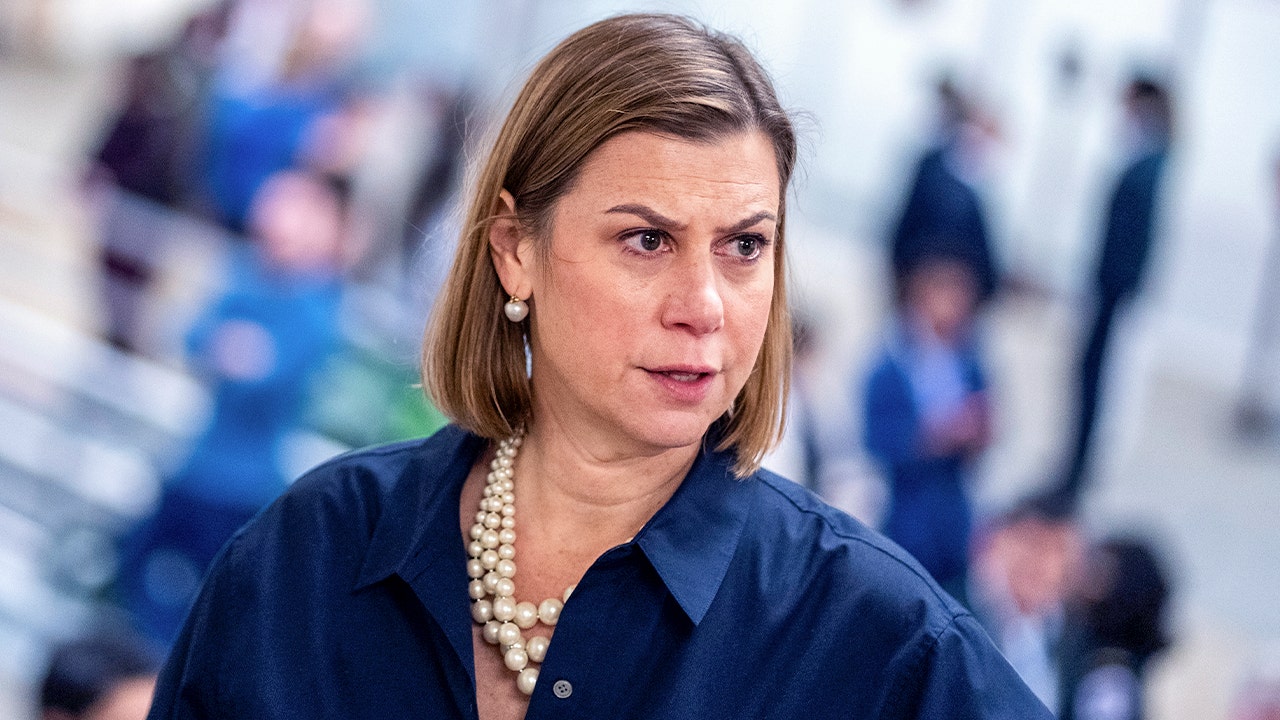
An unearthed June 6 video of Sen. Elissa Slotkin (D‑Mich.) was published by Breitbart and reviewed by Fox News Digital. In remarks at an Indiana state Democratic Party event (recorded the day after the Senate rejected the SAVE America Act), Slotkin said the bill would allow the Trump administration to "rig our democracy" and added, "It would be hard for any Democrat in any state to win any election." She also said the bill could make it harder for married women to vote because a birth certificate name mismatch might require additional documents. The Senate voted 48–50 against the SAVE America Act in June after four Republicans joined Democrats in opposing it. The bill would require documentary proof of U.S. citizenship to register for federal elections, photo ID to vote in federal elections, and additional steps to remove noncitizens from voter rolls. President Trump has promoted the legislation, and he declined to sign a housing bill in protest of Congress' failure to pass the SAVE Act. Critics of the bill say documentary requirements could create administrative hurdles for some voters (for example, married women who changed last names), while nonpartisan election groups report noncitizen registration and voting are rare. Republican lawmakers seized on Slotkin's remarks as evidence Democrats oppose stricter voter verification; the White House called Slotkin's claim false and urged that if securing elections makes it impossible for Democrats to win, they should reconsider their methods. Fox News Digital noted Slotkin did not explain how the legislation would make it harder for Democrats to win and also reviewed a separate Slotkin claim about a Trump remark that Fox found was not an exact quote from his State of the Union address.
Biblical Reflection
This article sits at the intersection of policy, partisan rhetoric, and public trust in democratic processes. Both sides make strong, consequential claims: Republicans assert voter‑verification protects election integrity; Democrats and critics warn strict documentary requirements can suppress legitimate voters or create disproportionate burdens. Plain facts—noncitizen registration and voting are documented as rare—push against the claim that Democrats rely on ineligible voters; at the same time, procedural changes that add documentary hurdles can have real, unequal effects on groups who face bureaucratic obstacles. The article and the responses to Slotkin highlight a broader worldview problem: when political actors assume the worst about opponents' motives or use absolute language ("rig our democracy," "only way they can get elected is to cheat"), it corrodes trust and invites escalation. Christian wisdom calls us both to pursue truth and to protect the vulnerable. Truth requires careful, evidence‑based assessment of policy effects rather than claims about opponents’ character; mercy requires attention to those who may be unintentionally disenfranchised by well‑intentioned reforms. Christians should resist partisan caricature, insist on transparent facts about how a law operates in practice, and advocate policies that balance election security with reasonable, accessible pathways for lawful participation.
Scripture in context
This outlook does not yet include contextual Scripture citations. Do not treat a general biblical theme as an exegetical conclusion.
Faithful Response
No prescribed response is offered. Consider the reflection prompts below in your own church context.
Reflection and Discussion
- 1What concrete evidence is presented that the SAVE Act would change election outcomes, and where are the data gaps that need independent study?
- 2Which populations are most likely to face administrative obstacles from documentary requirements, and how should policy design guard against unintended disenfranchisement?
- 3How does language that attributes immoral motives to political opponents affect public trust and our responsibility to treat neighbors with dignity?
Sources
Reporting links are evidence inputs; Sanctuary News' biblical reflection is commentary.
This outlook currently relies on fewer than two linked sources. Broaden verification before teaching from it.
- 1.Original reportprimary