News Summary
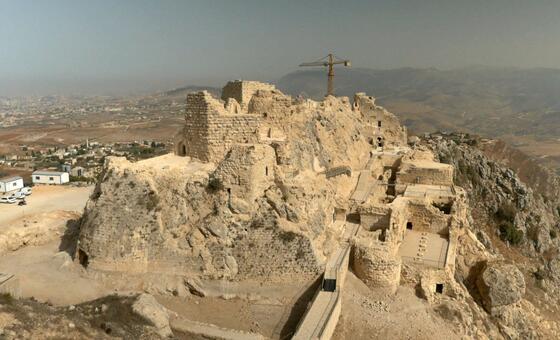
UN News reports that six UNESCO World Heritage sites are at risk because of armed conflict, insecurity and environmental pressures; the article identifies threatened categories—ancient cities, historic castles and a major wildlife migration—but the supplied text does not name the specific sites or provide detailed on-the-ground evidence.
Source and Framing Analysis
UN News is an official UN outlet that often summarizes UN assessments. The framing emphasizes types of heritage under threat and the causes (conflict, insecurity, environmental pressures) but in the provided excerpt omits site names, local actors, and empirical detail. This lack of specificity limits readers’ ability to evaluate immediacy, scale, and direct humanitarian implications.
Biblical Reflection
This report calls Christians to two consistent biblical concerns: care for God’s created order and compassion for human communities suffering the effects of violence. Cultural monuments and natural migrations are not merely tourist attractions; they hold communal memory, economic value for local people, and reflect God’s good creation. When war or neglect endangers those things, the loss is both material and moral.
Read honestly, the article highlights systemic brokenness: human violence, insecurity, and environmental stress interacting to damage heritage and ecosystems. A Christian response should combine truth-telling (naming harms and seeking accurate information), mercy (concern for displaced people and local stewards), and stewardship (advocating for protection of creation and cultural memory). Beware of simplistic binaries that value artifacts over living neighbors; the gospel summons us to protect both people and the goods—natural and cultural—that sustain them.
Finally, the report’s brevity and lack of named sites remind us to exercise humility and caution before drawing policy conclusions. Pray for clarity and prioritize support for organizations and local communities working to protect people, place, and biodiversity.
Scripture in context
- 1Genesis 2:15 — In Genesis, the human role in the early chapters is described as tending and keeping the garden—language within the creation narrative that assigns stewardship responsibilities to humanity in relation to the created order. — This passage supports a theological basis for caring for natural systems and cultural fruits of human creativity: Christians can view protection of ecosystems and cultural heritage as part of faithful stewardship.
- 2Luke 10:25–37 (Good Samaritan) — Jesus tells a parable to define neighbor-love in concrete, cross-cultural terms: compassion requires action on behalf of those in need, not mere sentiment or ritual purity. — When conflict threatens places and people, Christians are called to practical mercy for the vulnerable (displaced persons, local custodians) as well as advocacy to prevent further harm.
Faithful Response
Pray for affected communities, local stewards, and agencies working on-site; prioritize reliable updates from trusted humanitarian or heritage organizations.
Support organizations that combine humanitarian relief with cultural and environmental protection, especially those led by local communities.
Advocate with humility: write to representatives or relevant NGOs asking for protection of civilians and cultural/natural heritage and for funding for conservation that benefits local livelihoods.
Reflection and Discussion
- 1Are we centering the dignity and needs of local people when we mourn the loss of cultural sites, or are we primarily focused on objects?
- 2How does Scripture’s call to care for creation shape our priorities when conflict and environmental pressures collide?
- 3What concrete, sustained actions should Christians press for that protect both vulnerable communities and their cultural and natural inheritance?
Sources
Reporting links are evidence inputs; Sanctuary News' biblical reflection is commentary.
This outlook currently relies on fewer than two linked sources. Broaden verification before teaching from it.
- 1.Conflict and crisis put six World Heritage sites at riskofficial_document