News Summary
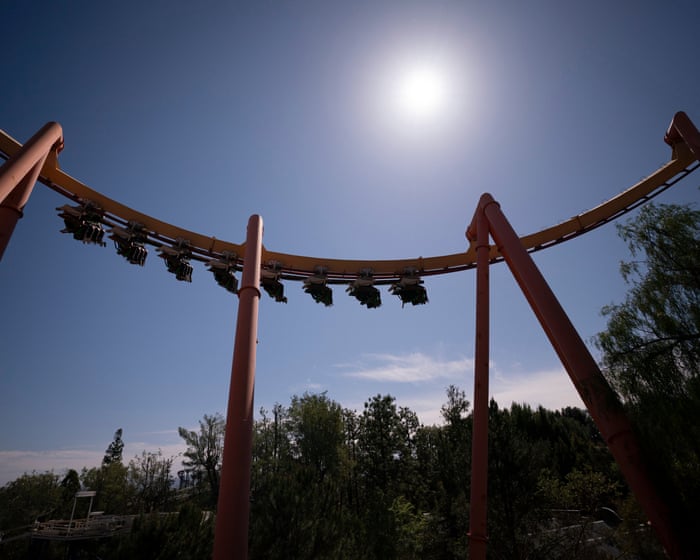
The Guardian reports that the X2 rollercoaster at Six Flags Magic Mountain has been closed for more than a month. The Guardian article attributes to a CNN investigation that two riders suffered serious brain injuries after riding X2 — one account described as 'brain compression' and another rider reported to remain in a coma. The Guardian also describes the X2 as a high‑intensity ride with 360‑degree rotating seats and top speeds up to 76 mph. The supplied reporting is second‑hand: the injury details are attributed to CNN via The Guardian, and the supplied text does not include primary medical records, statements from Six Flags or regulators, or the original CNN report, leaving causation and investigatory conclusions unresolved.
Source and Framing Analysis
Primary supplied source: The Guardian article (cited). The Guardian attributes the principal injury claims to a CNN investigation rather than presenting independent primary medical documentation or official statements from Six Flags or regulators in the supplied excerpt. Framing: the piece emphasizes the dramatic nature of the ride (terms such as 'infamous' and references to twisting and high speeds) and reports severe medical outcomes as attributed claims; that framing can raise public alarm appropriately for safety concerns but also increases the need to verify primary evidence before drawing firm conclusions. Important source limitations: absence of direct medical records, hospital or physician statements, Six Flags responses, regulator findings, or the original CNN article in the supplied text. Next‑step source needs: obtain the cited CNN investigation, any hospital or medical statements, official Six Flags comment, regulatory inspection reports, and exact dates/timeline for rides and closure.
How sources covered this story
Sanctuary separately assesses reporting quality and alignment with Christian virtues. The virtues assessment considers truthfulness, dignity, compassion, justice, peacemaking, humility, and care for vulnerable people. It does not assess a publisher's faith or reward religious language.
Compare 1 reports
Reporting 75/100Virtues 75/100
- Distinctive contribution
- States that one rider experienced 'brain compression' and another remains in a coma; gives the duration of closure ('more than a month'); and provides ride performance details (up to 76mph/122km/h, seats rotate 360°).
- Framing
- Mostly straightforward news framing with mildly sensational language ('infamous', 'intrepid theme park goers'). The key injury claims are attributed to a CNN investigation, which signals second-hand reporting rather than direct primary-source confirmation in the excerpt.
- Omissions or uncertainty
- No dates or timeline beyond 'more than a month'; no names or identities of injured riders; no medical-source confirmation or hospital statements; no comment or response from Six Flags or regulators; no details on the CNN investigation methods or evidence; unclear whether causation (ride caused injuries) has been established versus reported allegations.
- Why these scores
- The excerpt attributes its principal claims to a named investigation (CNN) and includes specific details (type of injuries, closure length, ride specs), which is solid for a short news item. However, it lacks primary-source confirmation, official responses, precise dates, and medical corroboration in the supplied text. As a concise notice it is reasonably responsible but incomplete for definitive claims—hence a score above typical brief level but not exceptional. The excerpt reports on serious injuries without dehumanizing language and attributes claims rather than presenting unverified allegations as fact, which aligns with truthfulness and humility. It documents harm (compassion-relevant) but does not include expressed concern for victims, calls for accountability, or restorative context, so it earns a solid but not exceptional score for compassion, justice, and care for vulnerable people.
Biblical Reflection
Christians should center truth, mercy, justice, peacemaking, humility, and care for vulnerable neighbors in responding to this story. Seeking accurate facts matters so injured people receive compassionate care and appropriate accountability follows if negligence or unsafe design played a role. At the same time, avoid gloating or unverified speculation. Press for transparent investigation and safety reviews, pray for the injured and their families, and encourage institutions to act with humility and responsibility if failures are found. Pursuing safety and protecting the vulnerable is an expression of loving our neighbor.
Scripture in context
- 1Philippians 2:3-4 — Paul instructs the Philippian church to value others above themselves and to look not only to their own interests but also to the interests of others, written to communities navigating conflict and social pressures. — This passage calls Christians to humility and to put the welfare of injured neighbors ahead of sensational curiosity or partisan advantage — pressing for accountability, care, and love rather than triumphalism.
- 2Luke 10:25-37 (Parable of the Good Samaritan) — Jesus tells a story about a man left wounded on the road and contrasts the responses of religious figures with that of a Samaritan who shows mercy, teaching about neighborly love across expected boundaries. — The parable urges active compassion: respond to those harmed with practical care and insist on systems that prevent harm, regardless of who is responsible or who gains attention from the incident.
Faithful Response
Pray for healing, comfort, and wisdom for the injured, their families, medical teams, and investigators.
Seek verified, primary information before sharing or concluding — review the cited CNN investigation, any medical or official statements, and regulator findings when available.
Support calls for transparent safety reviews and for the park and regulators to be accountable if lapses are found; offer pastoral and practical care for those affected without resorting to rumor or dehumanizing commentary.
Reflection and Discussion
- 1Are we pursuing both truth and mercy — demanding a careful investigation while treating those involved with dignity?
- 2How should the church encourage systems-level changes (regulation, oversight, corporate responsibility) that protect vulnerable people in public recreation?
- 3What pastoral responses does our congregation need to comfort those who are anxious or grieving in response to public reports of injury?
Sources
Reporting links are evidence inputs; Sanctuary News' biblical reflection is commentary.
This outlook currently relies on fewer than two linked sources. Broaden verification before teaching from it.
- 1.Rollercoaster at LA’s Six Flags shut after two riders suffered brain injuries, inquiry findsprimary_reporting