News Summary
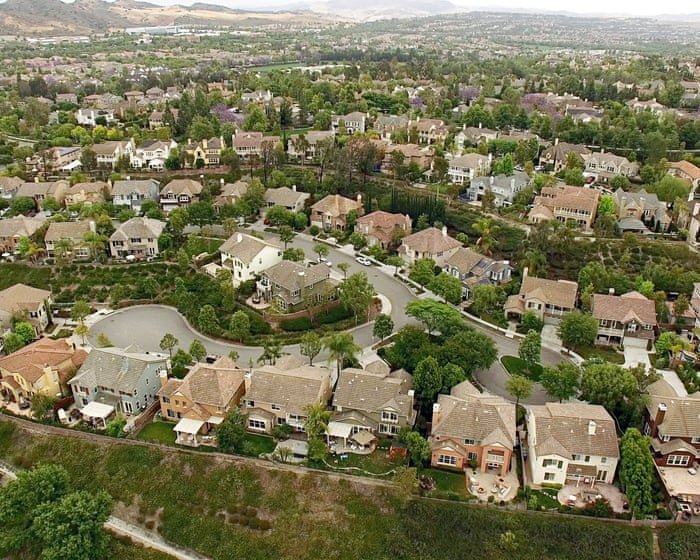
Reported facts: The Guardian reports that six children in Ladera Ranch, Orange County, were diagnosed with Ewing sarcoma and cites a statement from Katrina Foley, vice-chair of the Orange County board of supervisors. Attributed language: the cases are described in the article as a cluster of an “exceptionally rare” cancer, a characterization made in reporting rather than proven causal linkage. Uncertainties: the article does not provide dates of diagnosis, ages of the children, confirmation from a public-health agency, epidemiological data, or any identified environmental or other causes linking the cases.
Source and Framing Analysis
The article centers community concern and a local official’s statement. Material uncertainties remain because the piece offers few epidemiological details (timing, age ranges, diagnostic confirmation, or health-department investigatory findings). Framing emphasizes rarity and alarm, which is appropriate to the subject but can amplify fear when evidentiary detail is limited; readers should note the difference between reported diagnoses and any established causal or statistical linkage.
Biblical Reflection
This report points to real human suffering and communal anxiety. Christians should respond first with compassionate presence: prayer, practical care for the families, and refusal to add fear or rumor. At the same time, faithfulness requires careful truth-seeking. The article raises a possible public-health cluster but supplies limited evidence about timing, causation, or official epidemiological findings. That uncertainty calls for humility — we should support families and call for thorough investigation rather than leap to conclusions.
The Christian responsibilities here are both pastoral and civic. Pastoral: comfort the grieving and organize tangible support. Civic: encourage local leaders to provide transparent updates and to involve independent public-health authorities as needed. Maintain justice-minded vigilance for vulnerable families while avoiding scapegoating individuals or groups when the facts remain incomplete. Practicing mercy and truth together means standing with those who are sick and pressing for clear, evidence-based responses from public officials.
Scripture in context
- 1Psalm 34:18 — A psalm traditionally attributed to David, written as a word of consolation to people experiencing distress and fear; in its literary context it calls the reader to trust God’s nearness in trouble while praising God for deliverance. — This passage reminds us to be near the brokenhearted in practical ways and to offer comfort rather than speculation; it grounds pastoral care in the conviction that God is present with suffering people.
- 2Luke 10:25-37 (Parable of the Good Samaritan) — A teaching of Jesus addressing a Jewish lawyer’s question about neighbor-love; the story redefines neighbor not by identity but by practical mercy shown to those in need. — The parable urges Christians to respond with concrete help to afflicted families regardless of background, to cross social boundaries in service, and to prioritize compassionate action over blame.
Faithful Response
Pray publicly and privately for the children, families, and medical teams, and encourage your congregation to do the same.
Offer practical help: meal trains, childcare, transportation to medical appointments, financial support directed to verified needs.
Encourage and model patient, evidence-based inquiry: ask local officials for updates, support independent public-health investigation, and avoid spreading unverified causes.
Provide pastoral presence: bereavement and counseling resources, hospital visits, and regular check-ins with affected families.
Reflection and Discussion
- 1How does Jesus’ example of mercy reshape the way we respond to a community struck by illness and fear?
- 2What are the risks of substituting speculation for patient inquiry, and how can our church guard against them?
- 3In what concrete ways can we balance spiritual care with advocacy for transparent, science-based public-health investigation?
Sources
Reporting links are evidence inputs; Sanctuary News' biblical reflection is commentary.
This outlook currently relies on fewer than two linked sources. Broaden verification before teaching from it.
- 1.Southern California suburb alarmed as ‘exceptionally rare’ cancer sickens multiple childrenprimary_reporting