News Summary
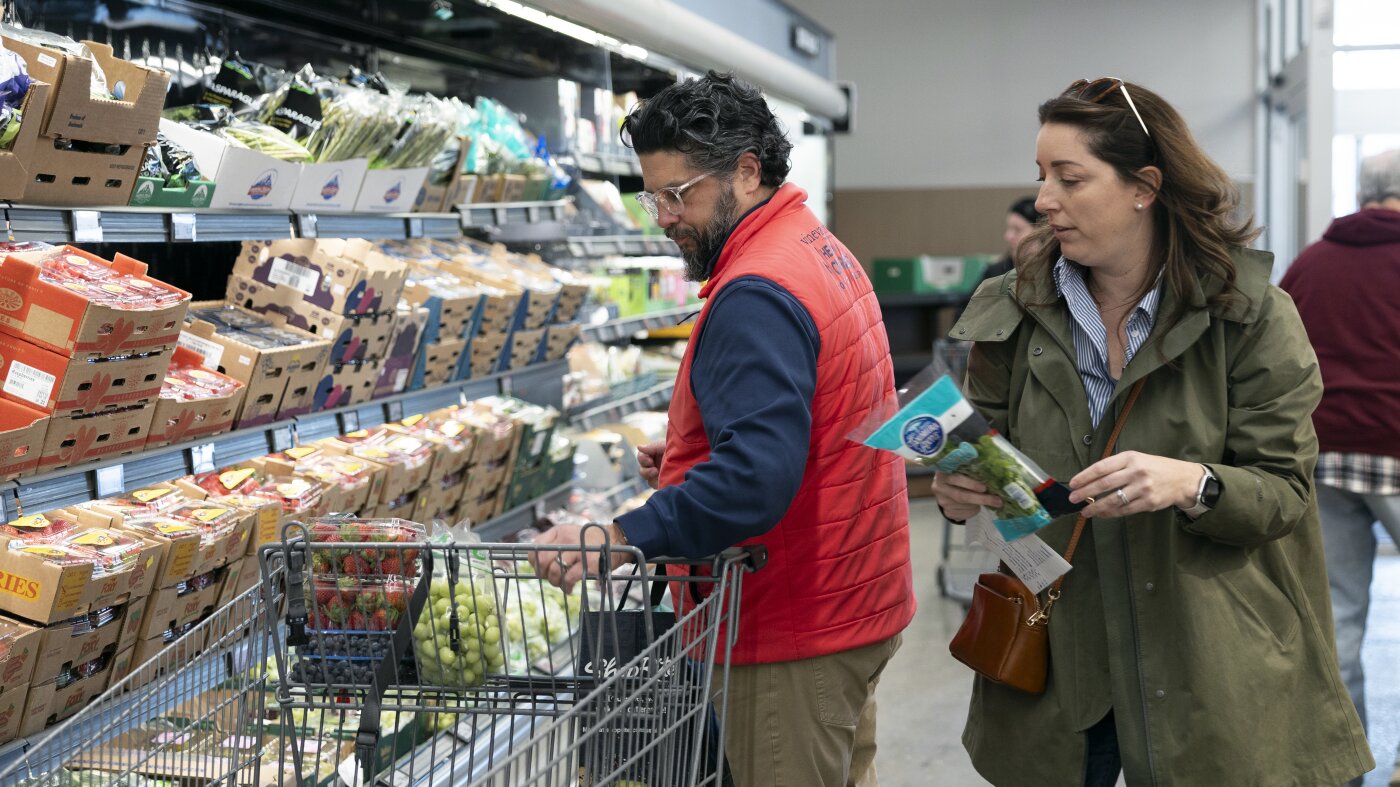
Many consumers are shifting from traditional supermarkets to discount grocery chains (notably Aldi and Lidl) and warehouse clubs (such as Costco and Sam's Club) as rising grocery prices, pandemic-era income losses, inflation, and practices like shrinkflation push shoppers to seek lower-cost options. Discount chains have invested in improving private-label quality and expanded their U.S. footprint: Aldi reported 17 million new U.S. customers last year, opened nearly 200 new stores and plans about 180 more. Warehouse clubs report strong sales (Costco reported $28.41 billion in net sales for a March retail month, up 11.3% year-over-year). Consumer Reports price comparisons found Aldi and Lidl more than 8% cheaper than Walmart on a sample basket; BJ’s and Costco were about 21% cheaper. Store-brand sales are growing faster than national brands. Analysts say discount stores operate with smaller footprints, fewer SKUs and lower staffing to reduce costs; shoppers accept trade-offs (fewer items, occasional extra trips) for lower prices. Social media creators share budget recipes and tips, and many consumers report reduced stigma about shopping discount stores. Some discount retailers (e.g., Grocery Outlet) have contracted after overexpansion. Market research suggests many shoppers plan to keep cost-conscious habits.
Biblical Reflection
From a Christian perspective, this story points to several intersecting realities: practical stewardship, the communal impact of economic stress, and ethical questions about fairness in markets. On one hand, shoppers exercising prudence and stewardship by seeking lower prices and reducing waste is wise (responsible management of resources benefits families and communities). The article highlights dignity-restoring shifts: as discount shopping becomes mainstream, shame around scarcity lessens — a pastoral good, since Scripture calls the faithful to care for and not shame the needy. On the other hand, the story hints at ethical concerns that deserve attention: shrinkflation, dynamic pricing technology, and opaque corporate practices can obscure the true cost borne by consumers, which calls for a demand for honesty and justice in commerce. The article largely reports consumer behavior and company growth; it is sympathetic to the benefit discounting brings to households but does not deeply interrogate corporate responsibility, policy responses, or long-term impacts on local suppliers and workers. Christians should celebrate practical stewardship and solidarity among those who struggle, oppose shame directed at people in need, and press for truthful, fair business practices that protect the vulnerable. The piece reflects a consumer-centered worldview — prioritizing price and efficiency — and it invites believers to weigh stewardship against neighbor-love, advocating both wise household management and communal structures that ensure access to food without degrading dignity.
Scripture in context
This outlook does not yet include contextual Scripture citations. Do not treat a general biblical theme as an exegetical conclusion.
Faithful Response
No prescribed response is offered. Consider the reflection prompts below in your own church context.
Reflection and Discussion
- 1When news highlights cheaper food options, do I primarily hear a call to personal thrift or a call to address the systemic causes of food insecurity? How does that influence my response?
- 2Where might commerce and technology be masking unfair practices (shrinkflation, dynamic pricing), and how should Christians advocate for honesty and justice in markets?
- 3Does reduced stigma around discount shopping change how my community cares for neighbors in need — moving from charity that shames toward practices that preserve dignity?
Sources
Reporting links are evidence inputs; Sanctuary News' biblical reflection is commentary.
This outlook currently relies on fewer than two linked sources. Broaden verification before teaching from it.
- 1.Original reportprimary