News Summary
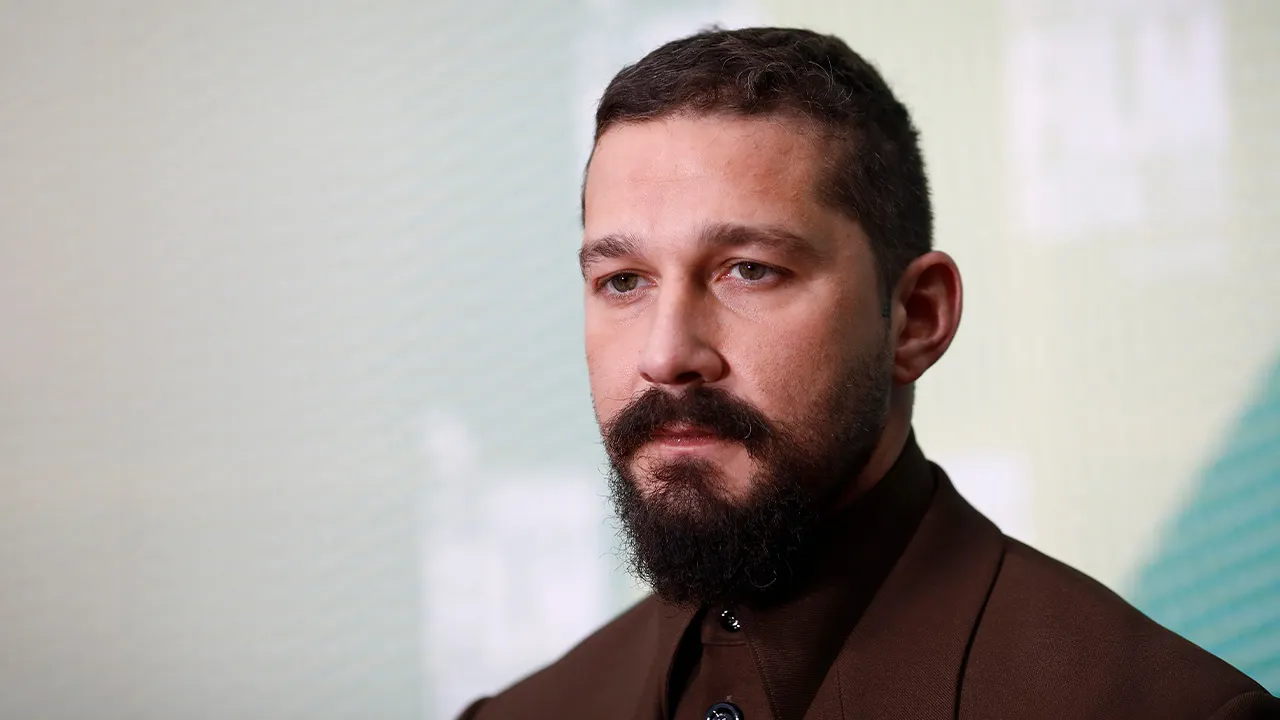
The article covers actor Shia LaBeouf’s recent arrest for simple battery during a Mardi Gras incident in New Orleans, where he was accused of using homophobic slurs while physically assaulting two people. LaBeouf, 39, expressed regret for his actions but rejected the court’s order to undergo rehabilitation, arguing that his core problem is not alcohol abuse but issues with anger and ego, which he described as a 'small man complex.' In a candid interview, he accepted responsibility for his behavior, acknowledged hurting people, and admitted to struggles related to a recent breakup and failed marriage. He described feeling both contrite and 'blessed' as he seeks to address his deeper emotional challenges. The article details the sequence of events leading up to his arrest and the consequences he now faces.
Biblical Reflection
From a Christian perspective, this story highlights the seriousness of personal responsibility, repentance, and the need for genuine transformation, not just outward compliance with court orders. While LaBeouf expresses remorse and acknowledges his wrongdoing, his reluctance to accept rehabilitation and his focus on ego and anger reflect a struggle common to all humanity: the battle with sin and pride. Scripture teaches that true change comes from humility, confession, and seeking help—both from God and, when needed, from others. The Bible calls us to confess our sins (1 John 1:9), repent, and pursue reconciliation. Words and actions that harm others, including the use of slurs or violence, are condemned in Scripture (Ephesians 4:29, Matthew 5:21-22). Jesus calls his followers to love neighbors and even enemies, to seek peace, and to be peacemakers (Matthew 5:9). While it’s commendable that LaBeouf takes ownership, true healing requires a willingness to address underlying issues, seek forgiveness, and pursue both spiritual and practical support. Christians are also reminded not to judge harshly, but to pray for those who struggle, recognizing all fall short and are in need of grace.
Scripture in context
This outlook does not yet include contextual Scripture citations. Do not treat a general biblical theme as an exegetical conclusion.
Faithful Response
No prescribed response is offered. Consider the reflection prompts below in your own church context.
Reflection and Discussion
- 1Where in my life am I resisting help or refusing to address deeper issues, even when others point them out?
- 2How can I respond with humility and seek reconciliation when I have hurt others through my words or actions?
- 3What does true repentance and transformation look like in the face of public or personal failure?
Sources
Reporting links are evidence inputs; Sanctuary News' biblical reflection is commentary.
This outlook currently relies on fewer than two linked sources. Broaden verification before teaching from it.
- 1.Original reportprimary