News Summary
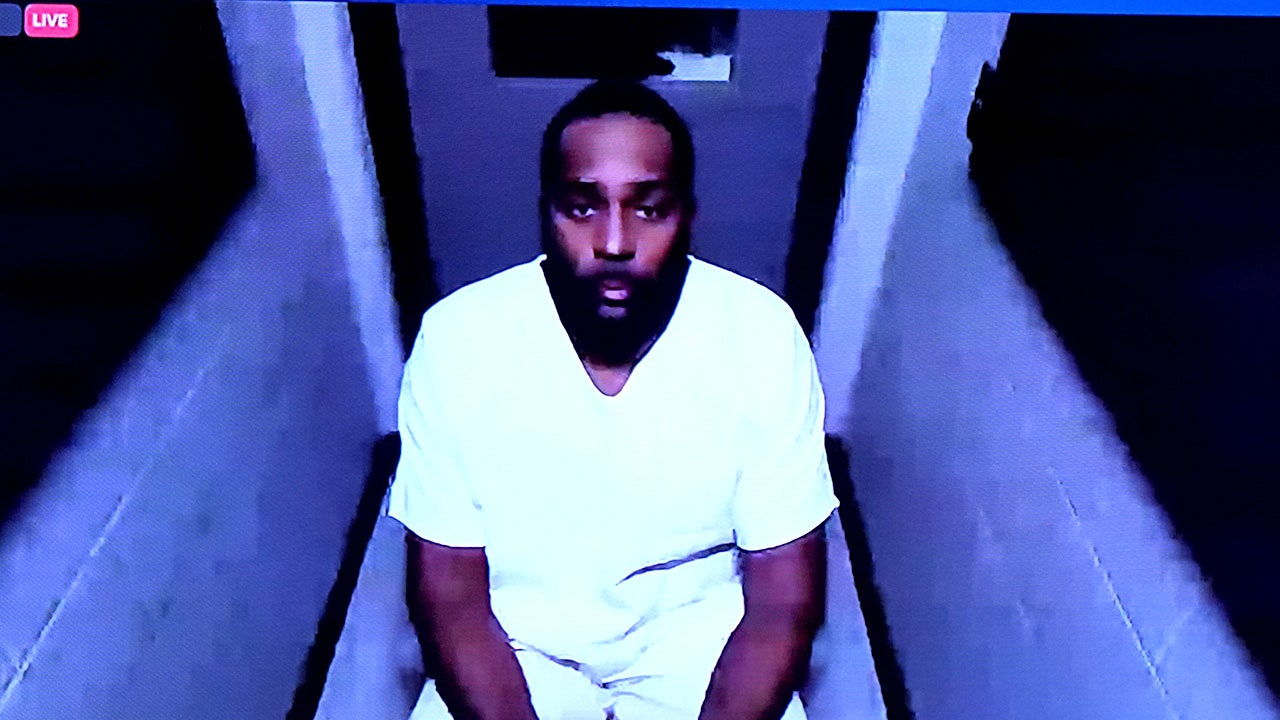
Former University of Michigan head football coach Sherrone Moore was reported to be suicidal by his wife in a 911 call after being fired from his coaching position. Moore lost his job due to credible allegations of engaging in an inappropriate relationship with a staff member, which included accusations of stalking her for months. The victim ended the relationship, after which Moore allegedly threatened his own life with knives and fled their location. Prosecutors stated that Moore continued contacting the victim after the breakup, leading to home-invasion and stalking charges. Moore was arrested, underwent a mental health evaluation, and was released on bond with conditions including mental health treatment, no contact with the victim, and staying in Michigan. His next court date is scheduled for January 22.
Biblical Reflection
From a biblical perspective, this story is a sobering reminder of the destructive power of sin and the deep need for repentance, accountability, and healing. The alleged actions—infidelity, stalking, and threats of self-harm—are contrary to God’s call for integrity, self-control, and love for others (Galatians 5:22-23). The consequences Sherrone Moore faces are a result of choices that violated trust, boundaries, and the dignity of others. Scripture warns that 'your sin will find you out' (Numbers 32:23), highlighting that hidden actions eventually come to light. At the same time, God’s Word calls us to compassion for all involved: Moore, the victim, and their families. The pain of public exposure, broken relationships, and mental health struggles points to the desperate need for restoration that only Christ can bring. As Christians, we are called to seek justice, offer grace, support those in distress, and pray for true repentance and healing. This situation is a call to guard our hearts, live transparently before God, and support those who are hurting, both victims and perpetrators, with truth and love.
Scripture in context
This outlook does not yet include contextual Scripture citations. Do not treat a general biblical theme as an exegetical conclusion.
Faithful Response
No prescribed response is offered. Consider the reflection prompts below in your own church context.
Reflection and Discussion
- 1How do I respond when I see others facing public consequences for their actions—do I rush to judgment, or do I pray for their repentance and healing?
- 2In what ways can I support those who are struggling with mental health crises or relationship breakdowns in my community?
- 3What boundaries or safeguards do I need to establish in my own life to walk in integrity and avoid similar pitfalls?
Sources
Reporting links are evidence inputs; Sanctuary News' biblical reflection is commentary.
This outlook currently relies on fewer than two linked sources. Broaden verification before teaching from it.
- 1.Original reportprimary