News Summary
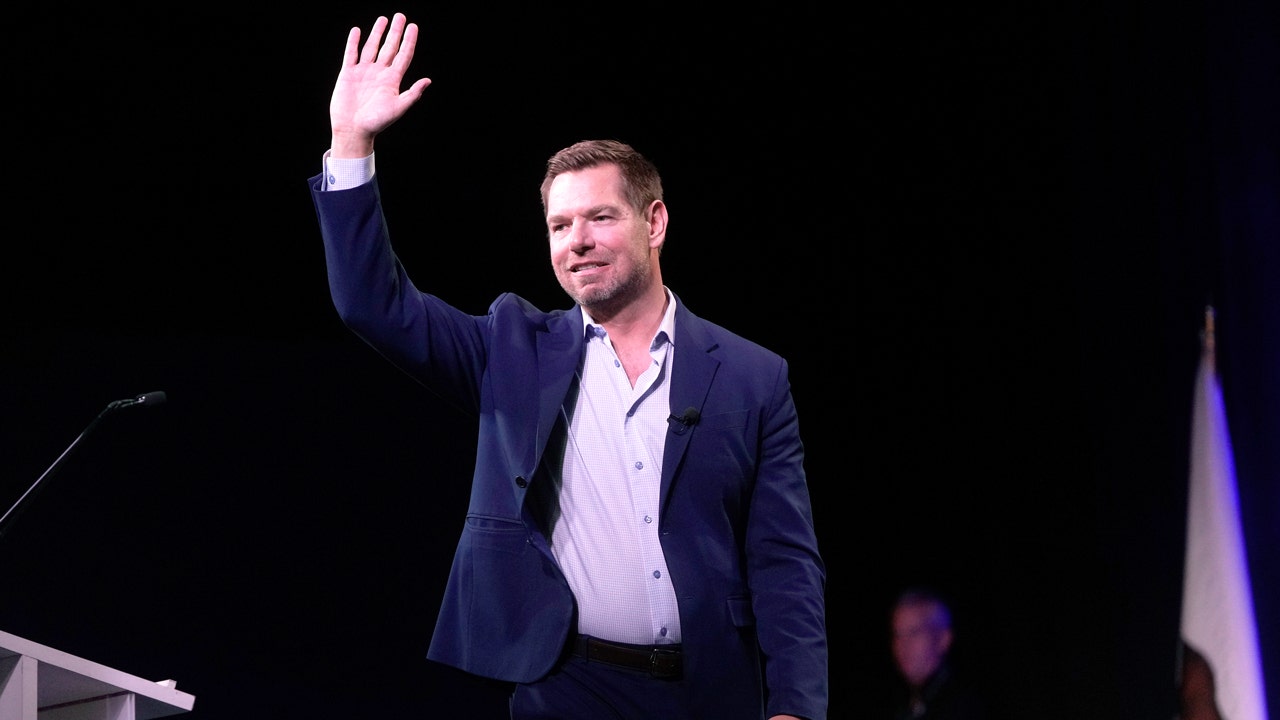
Several public allegations have circulated on social media and among Democratic operatives accusing Rep. Eric Swalwell of making sexual advances toward women, including former staffers. The accusations were amplified by Gen-Z for Change executive director Cheyenne Hunt and others; at least one post quoted an anonymous allegation that interns were asked to sign nondisclosure agreements. No accuser has gone public with verifiable evidence as of the article's publication. Swalwell denies wrongdoing and his campaign calls the allegations "outrageous," suggesting some claims are tied to political opponents. Rival candidates and figures—former Los Angeles Mayor Antonio Villaraigosa, former Rep. Katie Porter, political operative Bhavik Lathia, and others—publicly criticized Swalwell or urged the party to take the claims seriously. The developments are occurring amid Swalwell's campaign in the crowded June primary for California governor, where he seeks to finish in the top two to advance to the November general election. The Swalwell campaign said he recently held a large town hall and met with reporters; he missed one forum due to prior commitments. Polling referenced in the article shows other candidates leading in some surveys.
Biblical Reflection
From a Christian perspective, this story raises two pressing concerns: the pursuit of truth and the temptation to weaponize allegations for political gain. Scripture calls God's people to love justice (Isaiah 1:17) and to protect the vulnerable, which includes listening carefully to those who bring accusations. At the same time, the Bible warns against hasty judgment and spreading unverified claims. The article reports serious allegations but also states that no accusers have publicly presented verifiable evidence and that Swalwell denies wrongdoing. Christians should therefore avoid reflexive partisanship—neither dismissing possible victims nor treating allegations as fact without corroboration. Note the media and social-media dynamics at play: anonymous posts, political rivals commenting publicly, and campaign messaging all shape public perception before formal investigation or corroboration. That environment can amplify harm if truth is overshadowed by rumors or if legitimate complaints are discouraged by partisan smears. A faithful Christian response prioritizes careful listening, advocacy for transparent and fair investigation, protection and support for potential victims, and restraint from premature condemnation. In addition, Christians should pray for humility and repentance where sin is found, and for mercy and justice where it is not.
Scripture in context
This outlook does not yet include contextual Scripture citations. Do not treat a general biblical theme as an exegetical conclusion.
Faithful Response
No prescribed response is offered. Consider the reflection prompts below in your own church context.
Reflection and Discussion
- 1Does the reporting clearly distinguish between allegation and verified fact, and am I inclined to accept the strongest or the weakest framing based on my political loyalties?
- 2Are public figures and media using these claims to score partisan points rather than to seek truth and protect potential victims?
- 3How can Christians hold simultaneously to a commitment to justice for the vulnerable and to the biblical caution against rushing to judgment?
Sources
Reporting links are evidence inputs; Sanctuary News' biblical reflection is commentary.
This outlook currently relies on fewer than two linked sources. Broaden verification before teaching from it.
- 1.Original reportprimary