News Summary
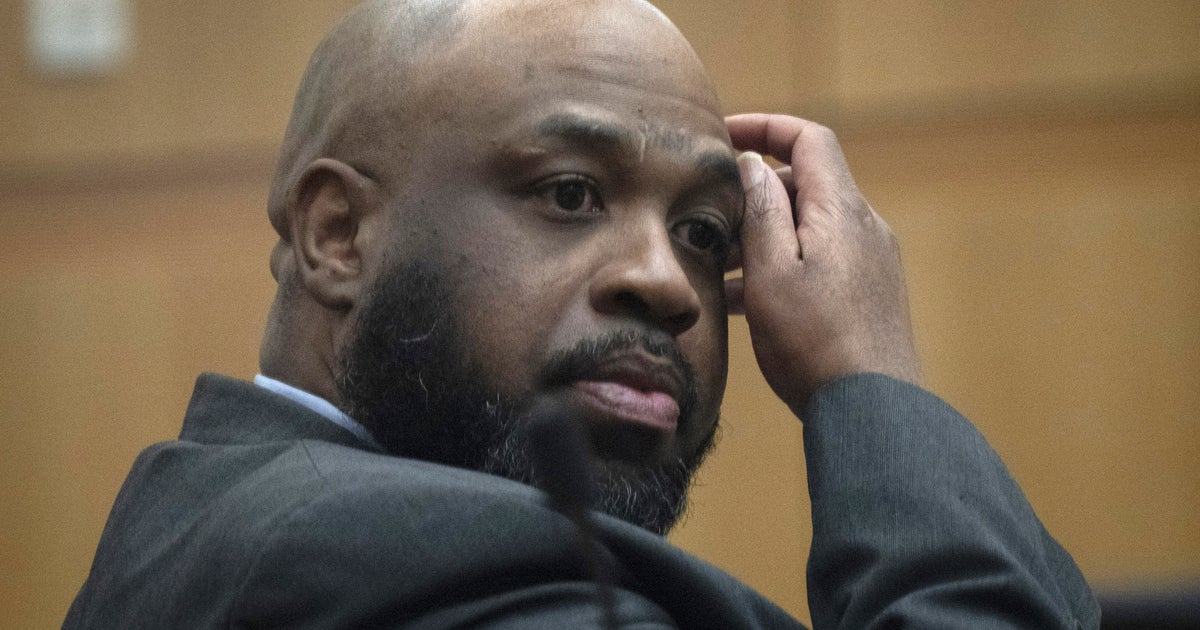
Cleophus Cooksey Jr., 43, was sentenced to death by an Arizona jury for a string of eight murders committed during a three-week period in Phoenix in 2017. The victims included both random individuals and his own mother and stepfather. Cooksey was also convicted of kidnapping, armed robbery, and attempted sexual assault. The jury imposed the death penalty for six of the murders but was undecided about sentencing for the killings of his parents. Prosecutors are considering whether to pursue a retrial for the sentencing on those counts or to allow a judge to impose life sentences. Authorities linked Cooksey to the crimes through evidence found at his mother's apartment, including a murder weapon and items belonging to victims. The trial followed two other recent serial shooting cases in the Phoenix area. Cooksey has maintained his innocence.
Biblical Reflection
This news is a sobering reminder of the depths of human depravity and the profound suffering caused by violence. Scripture is clear about the sanctity of human life—each person is made in the image of God (Genesis 1:27). The grief of the victims’ families is unimaginable, and the community’s need for justice is real. The Bible affirms the role of governing authorities to punish wrongdoing (Romans 13:1-4), yet it also calls for justice to be tempered with mercy and humility, recognizing that vengeance belongs to God (Romans 12:19). The death penalty is a deeply divisive issue among Christians: some see it as a just response to heinous crimes, while others point to Christ’s call to forgiveness and redemption, even for the gravest sinners. What is clear is the call for Christians to pray for all affected—the victims, their families, the perpetrator, and those who must carry out justice. This tragedy should move believers to mourn, to work for a safer society, and to remember that ultimate healing and restoration come only through Christ.
Scripture in context
This outlook does not yet include contextual Scripture citations. Do not treat a general biblical theme as an exegetical conclusion.
Faithful Response
No prescribed response is offered. Consider the reflection prompts below in your own church context.
Reflection and Discussion
- 1How does my understanding of justice align with God's call for both justice and mercy?
- 2In what ways can I support those who are victims of violence or injustice in my community?
- 3How can I pray for both the suffering families and even those who commit terrible crimes, as Jesus calls us to love our enemies?
Sources
Reporting links are evidence inputs; Sanctuary News' biblical reflection is commentary.
This outlook currently relies on fewer than two linked sources. Broaden verification before teaching from it.
- 1.Original reportprimary