News Summary
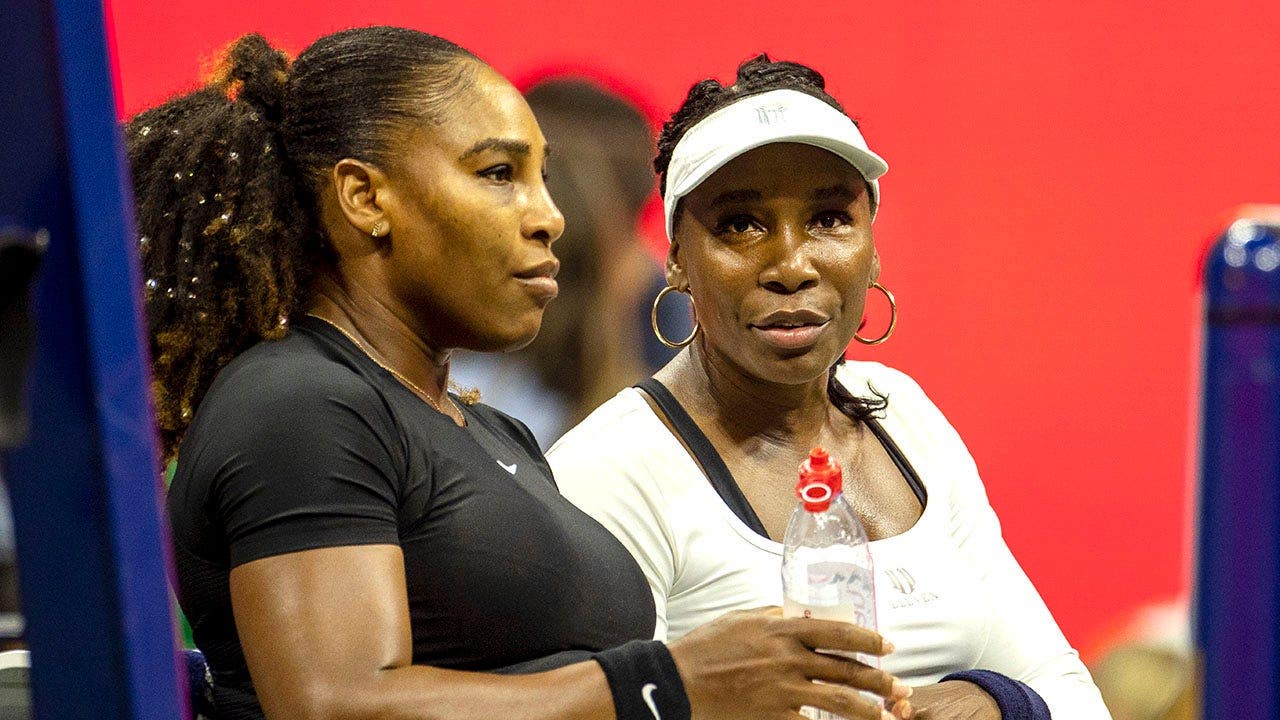
Serena and Venus Williams withdrew from the Wimbledon women's doubles after Serena, 44, suffered a knee injury during her singles match earlier in the week. Serena lost her singles match to Maya Joint in three sets and shared social-media posts showing images she described as fluid drained from her knee and video of herself with leg strapping. The sisters had reunited to play doubles at Wimbledon for the first time since their 2016 title and were scheduled to face Camila Osorio and Solana Sierra; their match had been delayed earlier to allow Serena extra recovery time. Serena said in an Instagram post that her knee was not ready to compete and indicated she may play again at another event with the U.S. Open approaching. The article notes their past doubles success (six Wimbledon doubles titles together and 14 Grand Slam doubles titles overall) and that the Associated Press contributed to the report.
Biblical Reflection
From a Christian perspective this report highlights familiar themes: the limits of human strength, the vulnerability of even celebrated figures, and the way public life intersects with private suffering. The factual reporting appears straightforward; there is no evidence in the article of deceit or manipulation, though the inclusion of social-media details and an AI-assisted content note suggests we should be attentive to how modern media blends personal testimony, medical detail, and technology. The article's focus on comeback narrative and legacy can encourage admiration but also risks elevating athletic success to an identity-defining status. Christians are called to respond with compassion for Serena’s physical pain and humility about our own expectations for public figures. At the same time we should resist treating athletes as idols or reducing them to their performances; honoring honest testimony about injury and recovery reflects honesty and care for the body, which Scripture portrays as worthy of stewardship. Finally, be discerning about what media amplifies—commercial and narrative pressures can shape which details are highlighted (comeback drama, images of drained fluid) while quieter needs like long-term health and rest receive less attention.
Scripture in context
This outlook does not yet include contextual Scripture citations. Do not treat a general biblical theme as an exegetical conclusion.
Faithful Response
No prescribed response is offered. Consider the reflection prompts below in your own church context.
Reflection and Discussion
- 1How does the media’s emphasis on comebacks and spectacle shape our compassion for an athlete’s need for rest and recovery?
- 2Are we inclined to idolize public success in ways that obscure ordinary human frailty and the call to care for one another?
- 3What should guide our trust when public figures share medical details on social media amid technological edits or AI-enhanced content?
Sources
Reporting links are evidence inputs; Sanctuary News' biblical reflection is commentary.
This outlook currently relies on fewer than two linked sources. Broaden verification before teaching from it.
- 1.Original reportprimary