News Summary
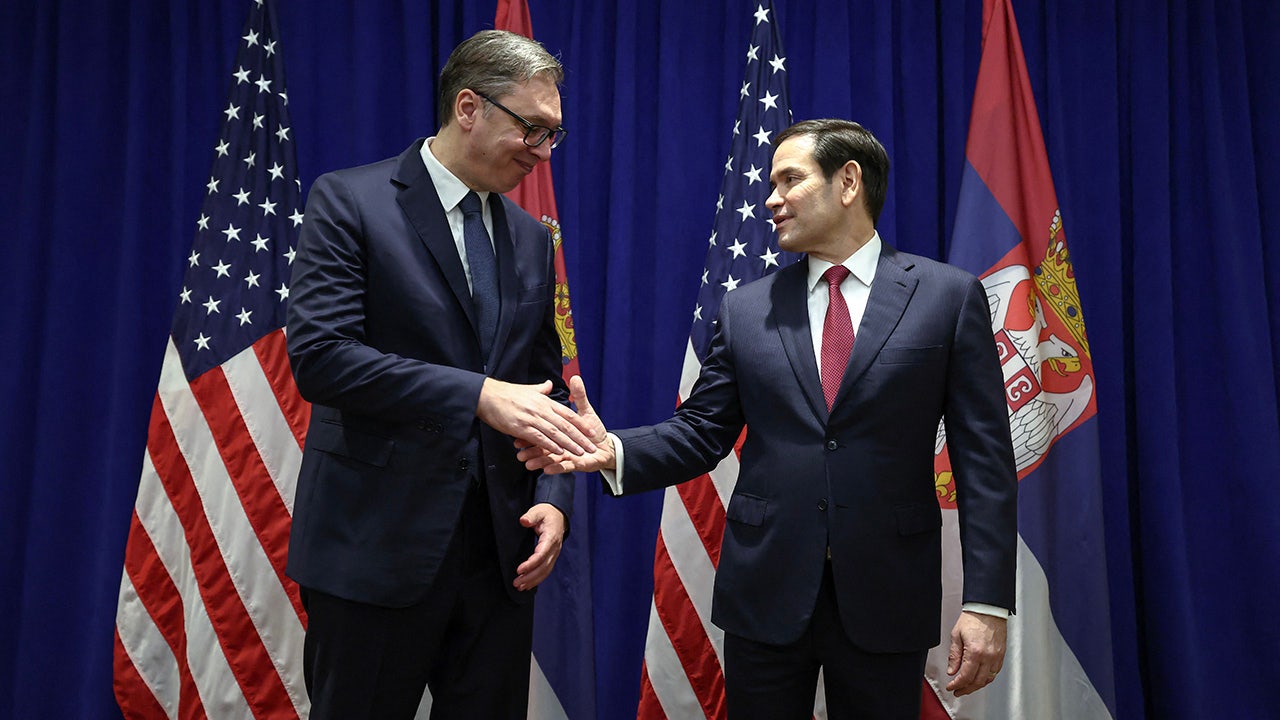
This is an opinion piece by Serbian President Aleksandar Vučić arguing that, while many European elites have become hostile to Donald Trump and 'America First' policies, Serbia increasingly views Trump as a friend and potential strategic partner. Vučić acknowledges Serbia’s historical anti‑American sentiment stemming from the 1999 NATO bombings but says that since Trump’s first term he and his team treated Serbia respectfully and listened to its concerns. He claims broad Serbian public enthusiasm for Trump, describes Serbians as valuing sovereignty and cultural tradition, and says a recent attack on Trump was felt strongly in Serbia. Vučić states Serbia remains committed to EU membership but sees no need to distance itself from Washington; he promotes Serbia’s economic growth, role in technology and manufacturing (including lithium deposits), and its strategic location as reasons the U.S. should consider partnerships and investment. He invites Trump to visit Belgrade and frames Serbia as a reliable partner for U.S. supply chains and European stability.
Biblical Reflection
This piece is a first‑person political appeal: a national leader presenting a narrative designed to strengthen bilateral ties and to influence American and European perceptions. It blends verifiable claims (economic growth, investment sectors, lithium resources, strategic geography) with broad political characterization and emotional appeals to national memory, pride, and personal rapport with a U.S. leader. As Christians, we should note several things: (1) Op‑eds are persuasive by design — they select facts and language that support a policy or relationship. Verify specific factual claims (economic statistics, resource estimates, and diplomatic actions) from independent sources before accepting them as complete. (2) The article advances a worldview that prioritizes national sovereignty, strong leadership, and pragmatic deals over supranational elites and ideological frameworks. That perspective can be legitimate in pursuing peace and material wellbeing, but it can also drift into tribalism or the idolizing of political figures. Scripture calls us to be wise about rulers and policies (Romans 13 speaks to governance; Proverbs warns against pride and deceit), and to measure leadership by justice, peace, and care for the vulnerable. (3) The Christian response should be discerning and balanced: appreciate efforts toward peace and stable partnerships, but resist uncritical hero‑worship of any leader. Pray for truth, just policies, and that national relationships would promote human dignity, reconciliation, and the common good rather than merely strategic advantage.
Scripture in context
This outlook does not yet include contextual Scripture citations. Do not treat a general biblical theme as an exegetical conclusion.
Faithful Response
No prescribed response is offered. Consider the reflection prompts below in your own church context.
Reflection and Discussion
- 1Which claims in the piece are verifiable facts (economic data, resource holdings, diplomatic visits) and which are rhetorical appeals to emotion and national identity?
- 2How does the article frame leadership and sovereignty, and in what ways might that framing encourage loyalty to a political figure rather than commitment to biblical virtues like justice, humility, and mercy?
- 3When a national leader praises another country or leader, what measures (policy outcomes, protections for the vulnerable, commitments to truth) should Christians look for to judge whether the relationship advances the common good?
Sources
Reporting links are evidence inputs; Sanctuary News' biblical reflection is commentary.
This outlook currently relies on fewer than two linked sources. Broaden verification before teaching from it.
- 1.Original reportprimary