News Summary
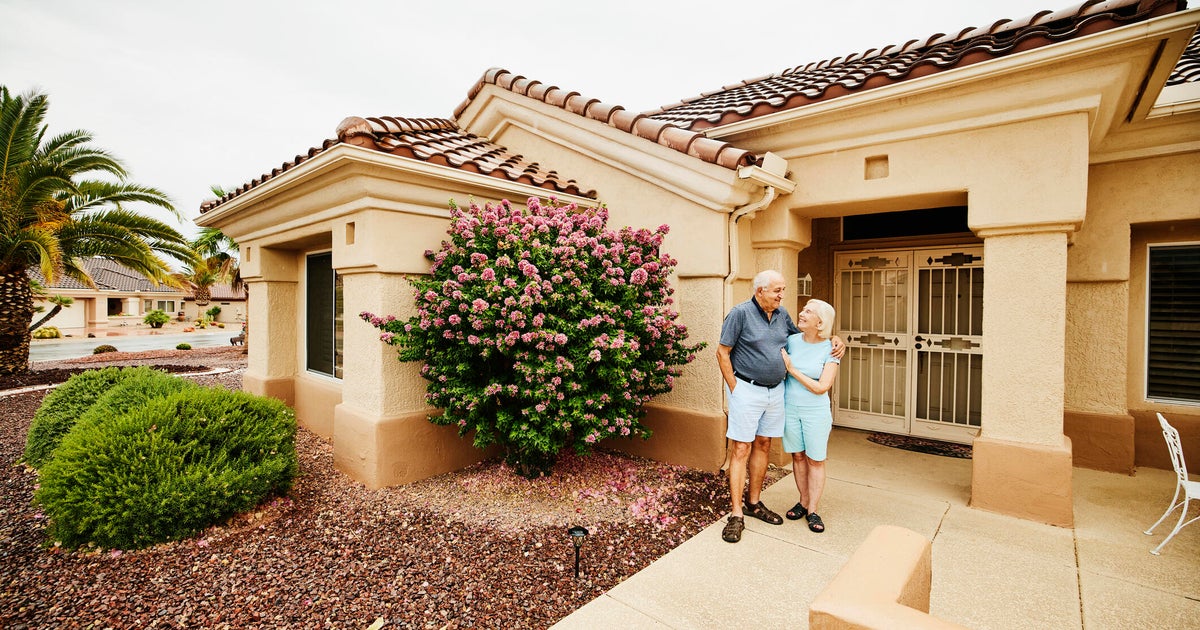
Reported facts: CBS News reports that senior home wealth reached a record high earlier in 2026. Attributed claims: the headline asserts seniors can borrow against that wealth now. Uncertainties: the supplied article text does not provide the data source for the record-high claim, quantify the level or distribution of wealth, list borrowing methods (HELOC, reverse mortgage, home-sale options), or explain costs and risks; no experts, statistics, or policy implications are included in the provided text.
Source and Framing Analysis
Material uncertainty: the supplied body is only a headline-level summary and lacks the data, expert voices, and methodological detail needed to evaluate the record-high claim and the practicalities of borrowing. Framing effect: the language emphasizes opportunity and liquidity, which can understate trade-offs (fees, interest, impact on means-tested benefits, long-term housing security). This framing reflects a consumer-oriented worldview that treats accumulated housing equity primarily as a financial asset to be unlocked rather than as shelter and a source of long-term security.
Biblical Reflection
The economic observation that older homeowners hold more housing wealth in aggregate can be a helpful reality for planning retirement needs and options. Yet the Christian response must move beyond opportunity rhetoric. Scripture teaches prudence and care for the vulnerable; older adults are often targeted by aggressive lenders or may lack the capacity to evaluate complex financial products. We should champion truthful, clear information and discourage framing that makes immediate borrowing sound universally advisable.
Mercy and justice require protecting those whose homes are their primary safety net. Encouraging seniors to borrow without discussing risks, alternatives, and the moral responsibility of lenders can imperil housing stability. Christians called to love neighbors well should prioritize accessible counseling, transparent explanation of costs, and advocacy for fair lending practices that do not prey on age-related vulnerability.
Finally, humility and stewardship should guide individual choices: financial tools that unlock equity can address urgent needs but may also reduce future security. The church can model a balanced approach—combining wise financial counsel, communal support for seniors in need, and prophetic critique of practices that commodify shelter at the expense of human dignity.
Scripture in context
- 1Proverbs 22:7 — In its literary context, Proverbs offers practical instruction about daily life, including the social consequences of indebtedness and power imbalances between creditor and debtor. — This counsel reminds readers to treat borrowing as a serious moral and practical decision; Christians should weigh the long-term implications of debt on independence and dignity, especially for older adults.
- 2Luke 12:15 — In Luke, Jesus warns against defining life by possessions while teaching trust in God's provision and a watchful, wise life that resists greed. — This passage invites reflection on the spiritual cost of treating home equity primarily as consumable wealth and prompts Christians to consider non-material measures of security and well-being.
Faithful Response
Before borrowing, seek independent financial counseling (nonprofit or church-affiliated) that explains costs, alternatives, and impact on public benefits.
Ask concrete questions of lenders: total costs, effect on Medicaid/assistance eligibility, timeline for repayment, and protections if the borrower dies or needs long-term care.
Consider non-loan alternatives—downsizing, joining shared-housing arrangements, family support plans, or church benevolence—especially when housing is the main safety net.
Reflection and Discussion
- 1How does our faith shape the way we evaluate financial advice that treats housing primarily as an asset to extract?
- 2Who among our neighbors might be most harmed by messaging that normalizes borrowing against a home, and how can we protect them?
- 3What community resources or practices should the church develop to help older adults make safe, informed financial choices?
Sources
Reporting links are evidence inputs; Sanctuary News' biblical reflection is commentary.
This outlook currently relies on fewer than two linked sources. Broaden verification before teaching from it.
- 1.Senior home wealth just hit a record high. Here's how to borrow from it now.primary_reporting