News Summary
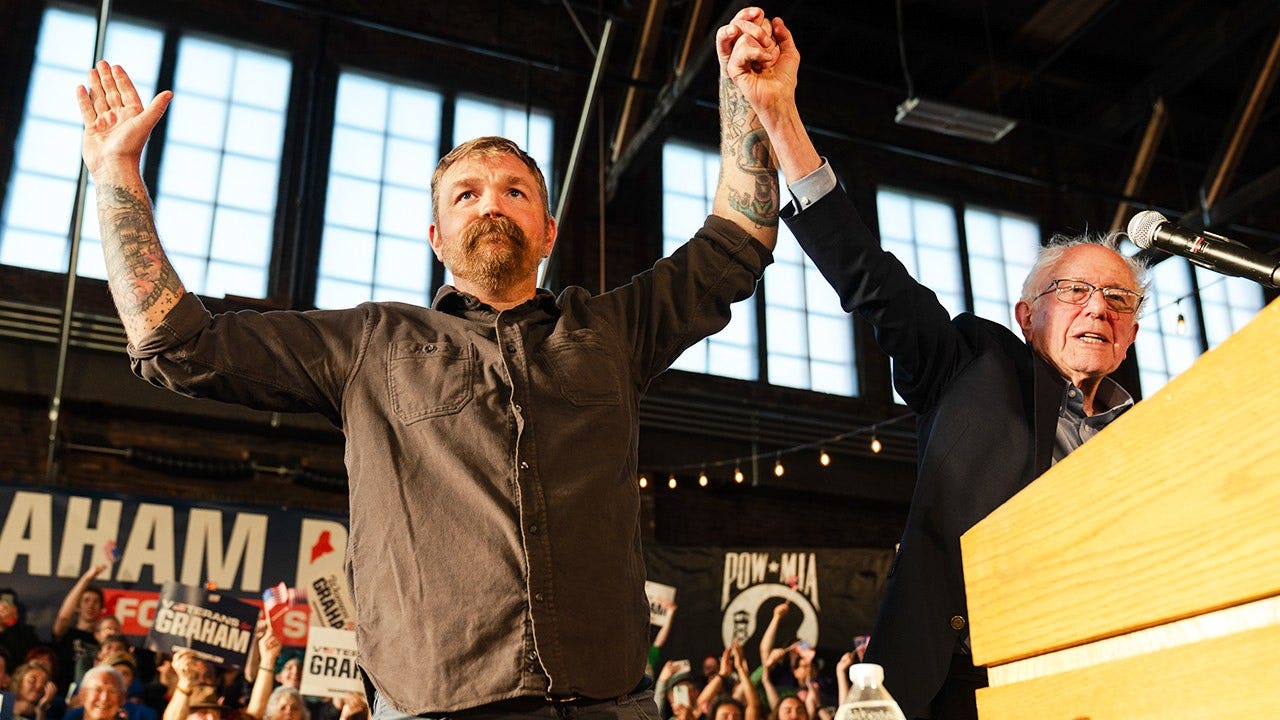
Jenny Racicot, a Maine resident, has accused Democratic Senate candidate Graham Platner of raping her in 2021; her allegation was reported in interviews with Politico and CNN. Platner’s campaign has already been the subject of other controversies, including a prior physical-abuse allegation by Lyndsey Fifield, reports that he sent sexually explicit messages to multiple women while married, resurfaced controversial Reddit posts, and reports of a Nazi-linked tattoo and inflammatory online statements. Several prominent Democrats — including Elizabeth Warren, Ro Khanna, Senate Majority Leader Chuck Schumer, Sen. Sheldon Whitehouse and the Senate Democrats’ campaign arm — rescinded endorsements or called for Platner to suspend his campaign after the new allegation. As of publication, Senators Bernie Sanders, Chris Murphy and Chris Van Hollen had not publicly withdrawn their support or called for Platner to end his campaign; each has previously defended or declined to abandon Platner amid earlier controversies, citing issues such as service, regret over past behavior, or the need to focus on broader policy concerns. Media coverage and political statements referenced in the article include direct quotes and prior public remarks by the senators and party leaders.
Biblical Reflection
This article highlights a tension common in politics: loyalty to a political ally versus the moral and legal imperative to take allegations of sexual violence seriously. The piece accurately reports who has and has not publicly withdrawn support, but it also reflects partisan selection—emphasizing silence from some Democrats while noting rescinded endorsements from others. From a Christian perspective, truth and justice require careful investigation of serious claims and compassionate care for alleged victims; at the same time, mercy and humility caution against rush-to-judgment without due process. Christian leadership should model both accountability and repentance, avoiding tribal protection that dismisses victims or elevates political ends above human dignity. Readers should also be alert to media framing that may amplify partisan conflict rather than focus on factual resolution, pastoral care for survivors, and the ethics of public leadership.
Scripture in context
This outlook does not yet include contextual Scripture citations. Do not treat a general biblical theme as an exegetical conclusion.
Faithful Response
No prescribed response is offered. Consider the reflection prompts below in your own church context.
Reflection and Discussion
- 1Are political loyalties shaping how leaders respond to allegations, and does that erode trust in moral consistency?
- 2How does the media’s choice of emphasis (who is silent, who speaks) influence our perception of accountability?
- 3Can a community pursue justice for alleged victims while preserving due process and opportunities for genuine repentance and restoration?
Sources
Reporting links are evidence inputs; Sanctuary News' biblical reflection is commentary.
This outlook currently relies on fewer than two linked sources. Broaden verification before teaching from it.
- 1.Original reportprimary