News Summary
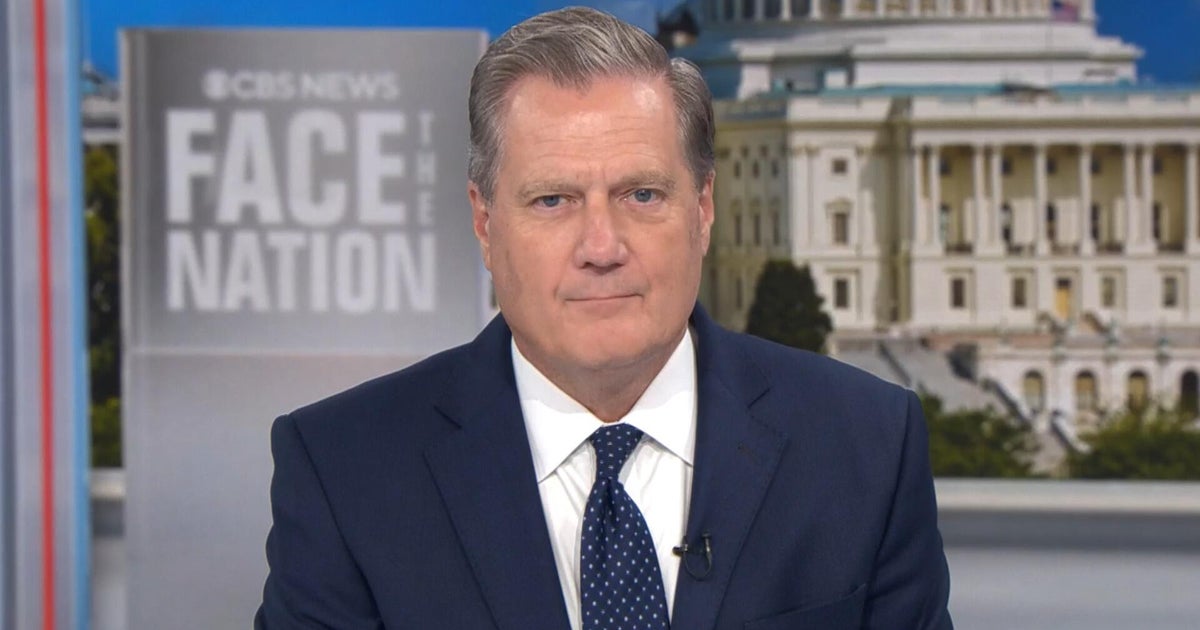
Sen. Lindsey Graham, a long‑time advocate for tougher measures on Russia, died suddenly after a brief illness. Days before his death, Graham and Senators Richard Blumenthal, Jeanne Shaheen and Roger Wicker announced an agreement with the White House on an updated Russia sanctions package that would impose sanctions and tariffs on countries doing business with Russia, including buyers of Russian oil, to pressure Moscow amid the war in Ukraine. GOP Rep. Mike Turner said he hopes the Senate will pass the sanctions bill soon as part of Graham’s legacy; the House has already passed a version. Rep. Michael McCaul said he will introduce a House version of Graham’s legislation. Senators and representatives from both parties urged quick action, describing passage as a fitting tribute to Graham and emphasizing U.S. support for Ukraine. President Volodymyr Zelenskyy recently met with Graham in Kyiv and praised his advocacy for bipartisan support for Ukraine.
Biblical Reflection
The article reports a bipartisan legislative push framed partly as honoring a recently deceased senator. From a Christian perspective, the motivations—seeking to support an embattled people and to deter aggression—align with caring for the vulnerable and opposing injustice. At the same time, Christians should notice how public grief can be used to accelerate political agendas; honoring a person’s legacy is appropriate, but it should not short‑circuit sober debate about means and consequences. Sanctions are a tool intended to pressure a violent aggressor, but they can also harm civilians, strain international relationships, and produce unintended economic ripple effects; prudence, compassion for noncombatants, and a clear-eyed appraisal of effectiveness are required. The article is straightforward and factual in its reporting; its framing emphasizes bipartisan unity and legacy, which can obscure legitimate policy questions about humanitarian impact and long‑term strategy. Christians are called to seek truth, advocate for peace where possible, defend the oppressed, and exercise humility about the limits of political power—holding leaders accountable while praying and acting for mercy toward suffering people caught in war.
Scripture in context
This outlook does not yet include contextual Scripture citations. Do not treat a general biblical theme as an exegetical conclusion.
Faithful Response
No prescribed response is offered. Consider the reflection prompts below in your own church context.
Reflection and Discussion
- 1Are we allowing respect for a public figure’s memory to replace careful scrutiny of whether a proposed policy will reduce suffering or inadvertently harm civilians?
- 2Does bipartisan support for a measure mean it is the most just or effective option, or should we still ask how it serves the long‑term flourishing of all affected people?
- 3How can Christians hold leaders accountable for justice and protection of the vulnerable while also praying for mercy and pursuing ways to minimize harm to innocent civilians?
Sources
Reporting links are evidence inputs; Sanctuary News' biblical reflection is commentary.
This outlook currently relies on fewer than two linked sources. Broaden verification before teaching from it.
- 1.Original reportprimary