News Summary
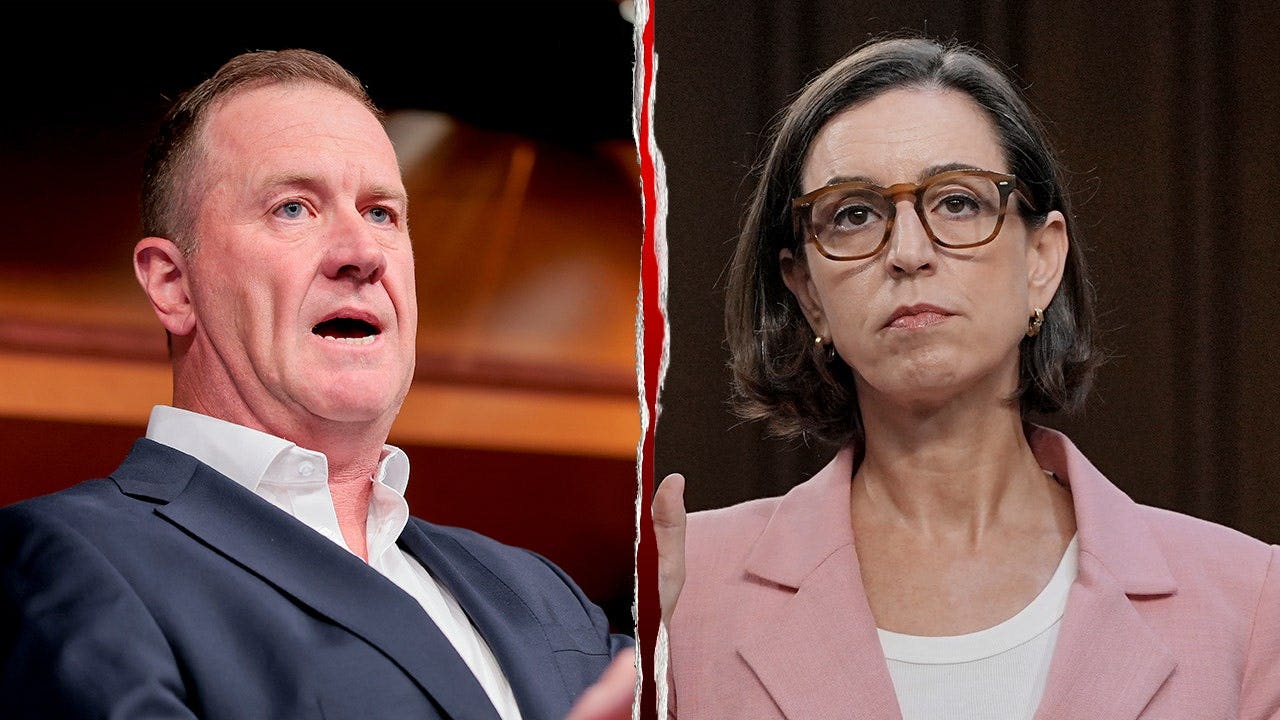
At a July 16, 2026 Senate Judiciary Committee hearing on Todd Blanche's nomination to be U.S. Attorney General, former U.S. Pardon Attorney Elizabeth Oyer testified and criticized Blanche's handling of cases including the Jeffrey Epstein files and Ghislaine Maxwell's reassignment. Republican senators sharply challenged Oyer's credibility because she authored a November 4, 2024 memorandum recommending then-Attorney General Merrick Garland advise President Biden to consider commuting the 40 remaining federal death sentences; President Biden ultimately commuted 37 of those sentences. Senators cited high-profile cases (including Dylann Roof, Robert Bowers, and Jorge Avila-Torrez) and a Justice Department report finding Oyer’s 73-page memo devoted only three paragraphs to victims’ families. Oyer said the individuals who received clemency will remain imprisoned for life. Democrats defended Oyer, called the questioning politically motivated, and said her position was nonpolitical; Oyer said she was fired in March 2025 by then-Deputy Attorney General Todd Blanche, whom she accused of politicizing the Justice Department. Some questions were declined by Oyer on grounds of executive privilege. The hearing included partisan exchanges over the propriety of the clemency recommendations and the treatment of victims' families.
Biblical Reflection
This story sits at the intersection of two legitimate but often competing concerns: the pursuit of justice for victims and the exercise of mercy through the clemency process. Objectively, the factual claims (a memo recommending consideration of commutations; Biden commuting 37 sentences; senators naming notorious defendants) are verifiable; the hearing itself is part of the Senate’s constitutional role in vetting an attorney general nominee. Yet the hearing is also a political arena, and coverage—especially with charged language and selective detail—can amplify partisan messaging. From a Christian perspective, we must resist binary thinking that casts mercy as weakness or retribution as the only just response. Genuine justice honors victims, seeks accountability, and protects the innocent; genuine mercy recognizes human fallibility and the possibility of reform. The reported short treatment of victims’ families in the memo is pastorally worrying because compassion for the wounded must not be sidelined in policy deliberations. Likewise, accusations of politicization of the Justice Department deserve sober attention: when legal institutions become tools of partisan advantage, the common good and the vulnerable suffer. Christians should pray for truth and humility among leaders, advocate for transparent processes that center victims' dignity, and hold fast to both justice and mercy as Godlike virtues rather than partisan slogans.
Scripture in context
This outlook does not yet include contextual Scripture citations. Do not treat a general biblical theme as an exegetical conclusion.
Faithful Response
No prescribed response is offered. Consider the reflection prompts below in your own church context.
Reflection and Discussion
- 1How does the article balance reporting of concrete facts (memos, commutations, names) with partisan framing that aims to discredit a witness or nominee?
- 2When a legal actor recommends mercy in dire cases, what evidence should we expect they considered, and does the coverage show whether victims’ voices were meaningfully included?
- 3Are institutional criticisms focused on specific policy failures or presented as broader moral indictments—how does that shape public trust in justice?
Sources
Reporting links are evidence inputs; Sanctuary News' biblical reflection is commentary.
This outlook currently relies on fewer than two linked sources. Broaden verification before teaching from it.
- 1.Original reportprimary