News Summary
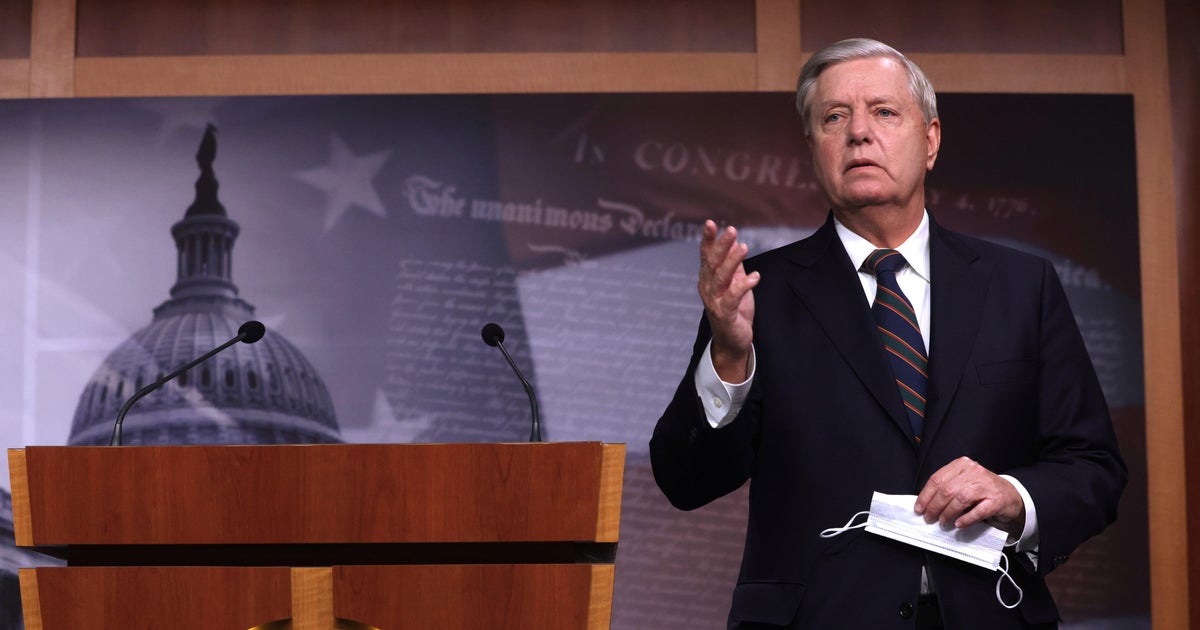
A bipartisan group of U.S. senators introduced the "Sanctioning Russia Act of 2026," a bill that would impose mandatory sanctions on Russian President Vladimir Putin, his top deputies, the Russian military, Russian banks and energy companies, foreign entities doing business with Russia, and Russia's shadow fleet of oil tankers. The bill would bar Americans from purchasing Russian debt or doing business with the Russian government or its energy sector. It would also impose tariffs—up to 100%—on the top five purchasers of Russian oil (currently named as China, India, Slovakia, Hungary and Azerbaijan) and on the top five purchasers of Russian natural gas (currently China, France, Belgium, Japan and Hungary), with exemptions for countries whose gas purchases are below 15% of Russia's exports. The U.S. president could exempt certain entities with justification to Congress, and the list of top purchasers would be reevaluated every 180 days. The White House has signaled support. The bill text was finalized before Sen. Lindsey Graham met Ukrainian President Volodymyr Zelenskyy in Kyiv; Graham died suddenly after returning to the U.S. Several lawmakers described passing the bill as a tribute to Graham. By early Tuesday, the bill had 26 Senate cosponsors, and House Republicans signaled plans to introduce a companion measure.
Biblical Reflection
The legislation reflects a deliberate use of economic tools—sanctions and tariffs—to pressure Russia and its trading partners in support of Ukraine. The intent, as presented, is to reduce revenue that finances the war and to push buyers toward alternative energy sources. From a Christian perspective, the pursuit of justice for an invaded people and protection of the vulnerable is consistent with biblical concern for the oppressed. At the same time, such measures can have broad, unintended consequences: economic hardship for civilians inside Russia, higher energy costs or supply shifts that harm poorer countries, and strained relations with major global partners. The article neutrally reports facts and includes emotional framing around Senator Graham's legacy; readers should notice that appeals to memory or tribute can compress complex policy debates into legacy narratives. Christians should therefore weigh the moral impulse to oppose aggression alongside prudence about collateral harm, asking whether policies have clear exit criteria, accountability, and proportionality so that the pursuit of justice does not deepen suffering or escalate conflict.
Scripture in context
This outlook does not yet include contextual Scripture citations. Do not treat a general biblical theme as an exegetical conclusion.
Faithful Response
No prescribed response is offered. Consider the reflection prompts below in your own church context.
Reflection and Discussion
- 1Who—Russian elites, ordinary Russian civilians, or third-party buyer nations—will actually bear the costs of these sanctions and tariffs?
- 2Is the bipartisan push focused primarily on ending the violence, or is it also shaped by political legacy-building and symbolic gestures?
- 3What measurable conditions and oversight will determine when pressure is eased so that sanctions lead toward peace rather than indefinite harm?
Sources
Reporting links are evidence inputs; Sanctuary News' biblical reflection is commentary.
This outlook currently relies on fewer than two linked sources. Broaden verification before teaching from it.
- 1.Original reportprimary