News Summary
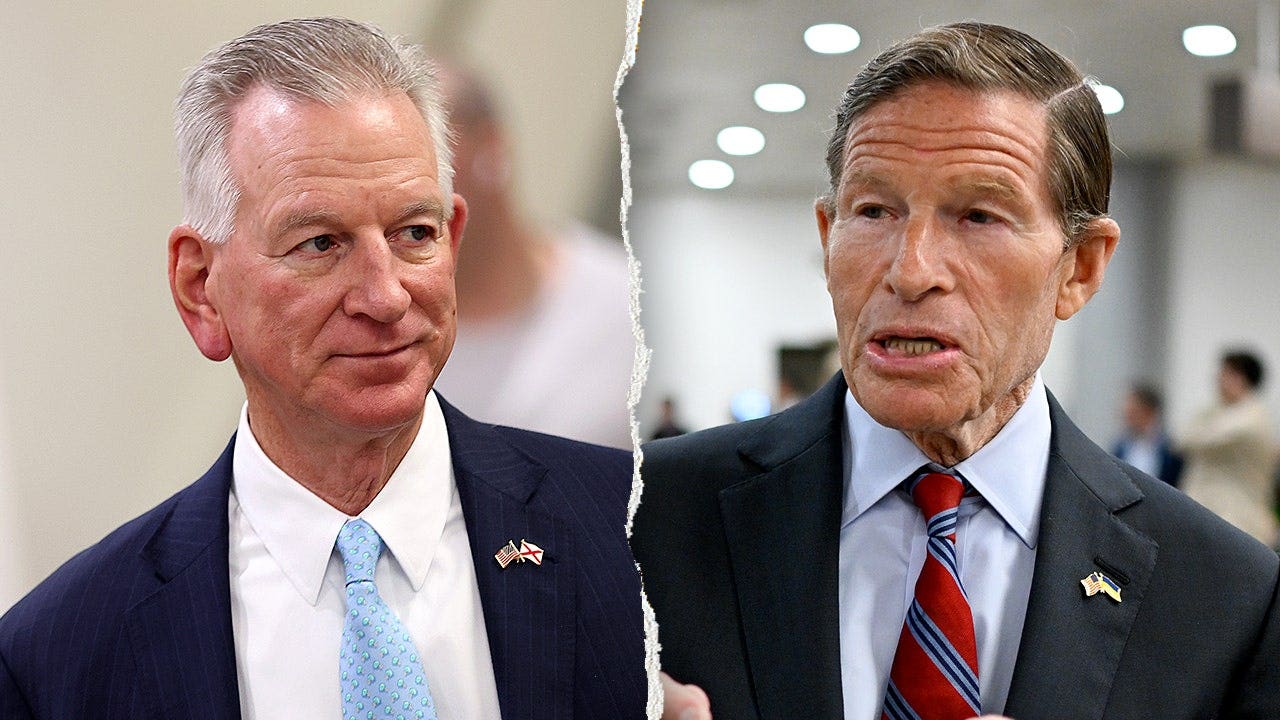
Senators on Capitol Hill expressed mixed reactions to a 2026 framework agreement announced by the Trump administration with Iran. Supporters such as Sen. Thomas Tuberville said the deal represented progress by preventing Iran from obtaining nuclear weapons without U.S. ground forces involvement. Critics including Sen. Richard Blumenthal warned the accord provides immediate sanctions relief and access to frozen Iranian funds (reported as $300 billion) with insufficient inspection, verification, and enforcement mechanisms, and said the funds could be used by Iran to support proxies. Sen. John Hoeven said enforcement will determine the deal’s success and urged allied participation in enforcement during the 60-day negotiation period. Several senators said they had not yet finished reading the memorandum of understanding (MOU) and declined further comment. Some Democrats compared the framework unfavorably to the 2015 JCPOA. The article quotes multiple senators and notes the primary reported concerns: sanctions relief, inspection/verification, and the potential use of funds by Iran.
Biblical Reflection
This coverage raises a core Christian tension between pursuing peace and safeguarding the vulnerable. The article presents competing political judgments—some see de-escalation and the avoidance of U.S. ground combat as good, others warn that rapid sanctions relief without robust verification risks enabling harm to neighbors and regional stability. The piece largely reports elected officials’ statements rather than independent analysis of the MOU’s technical safeguards, which means readers should be cautious about accepting rhetorical framing (e.g., “surrender”) at face value. From a biblical lens, truth-seeking requires insistence on transparency, rigorous oversight, and care for innocent lives affected by policy choices—both those in allied states fearing a nuclear-armed Iran and Iranian civilians who would suffer further destabilization. Pastoral discernment also calls us to resist tribalizing foreign policy into instant partisan verdicts: ask whether leaders are being honest about risks and trade-offs, whether the poorest and most vulnerable are being considered, and whether mercy and justice are being balanced. The article’s worldview is political and security-focused; it privileges senators’ perspectives and alarm language while offering little technical or international context (e.g., views from allies or Iranian officials). Christians reading this should demand clear facts about verification and enforcement, seek compassionate concern for all affected peoples, and pray for leaders to choose wise, accountable paths toward genuine, lasting peace.
Scripture in context
This outlook does not yet include contextual Scripture citations. Do not treat a general biblical theme as an exegetical conclusion.
Faithful Response
No prescribed response is offered. Consider the reflection prompts below in your own church context.
Reflection and Discussion
- 1What concrete verification and enforcement measures does the MOU include, and who—domestic or international—will hold Iran accountable if it fails to comply?
- 2Whose perspectives are absent from this coverage (regional allies, independent experts, Iranian civil society), and how does that absence shape our understanding of the deal?
- 3Are we responding to rhetoric or to documented terms and mechanisms when judging whether this agreement advances or endangers peace?
Sources
Reporting links are evidence inputs; Sanctuary News' biblical reflection is commentary.
This outlook currently relies on fewer than two linked sources. Broaden verification before teaching from it.
- 1.Original reportprimary