News Summary
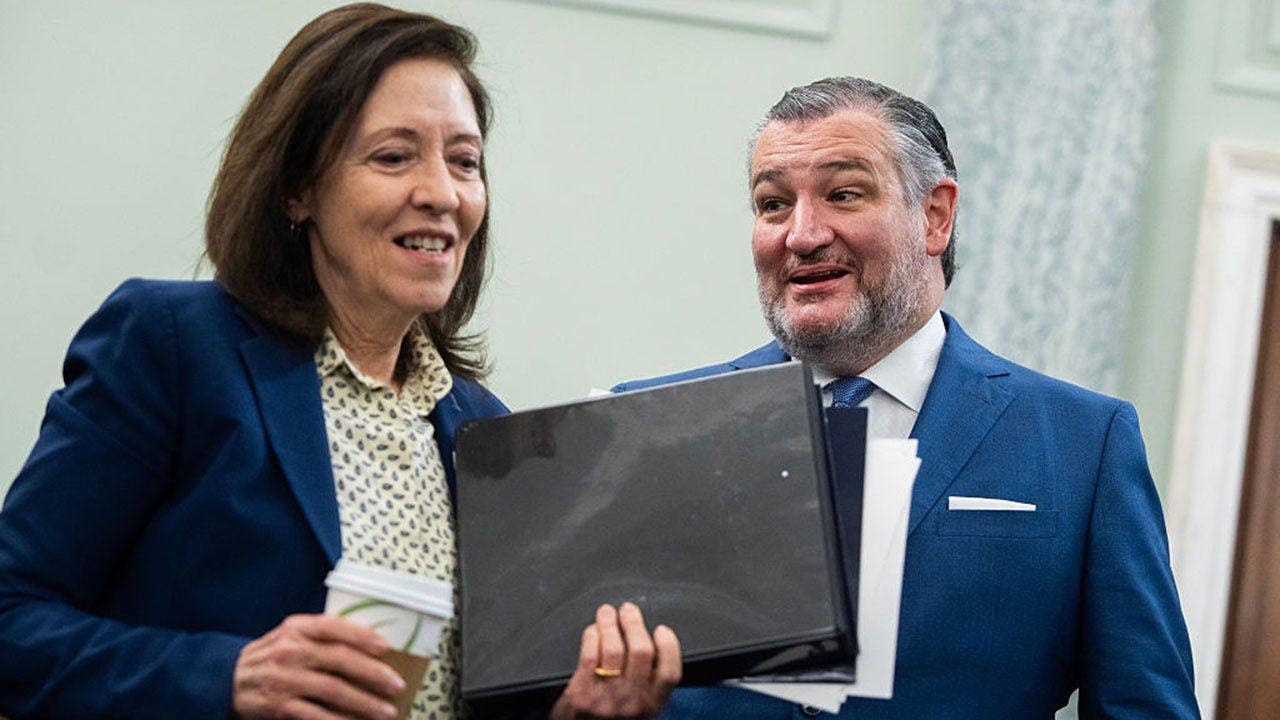
The Senate Commerce Committee voted 19-9 to advance the Protect College Sports Act (PCSA) to the full Senate. The bipartisan bill, sponsored by Senators Ted Cruz (R-Texas) and Maria Cantwell (D-Wash.) with input from higher-education leaders including Texas Tech regent Cody Campbell, would permit voluntary pooling of media rights, include an anti-expansion provision barring conferences that generate $700 million in revenue from certain breakaway moves, and aims to stabilize the college athletics landscape amid NIL litigation and conference realignment talk. Senate leaders stressed the bill is intended to be voluntary, but some conference leaders and commissioners—chiefly from the SEC and Big Ten—have expressed concerns and asked for revisions they say were not accepted. SEC and Big Ten officials say they proposed essential changes focused on athlete support and long-term sustainability; senators and boosters (including New York Yankees president Randy Levine) have publicly pressed for passage and conference buy-in before the August congressional recess. The article highlights tensions between lawmakers, conference commissioners, and boosters and frames the coming weeks as decisive for whether the PCSA will move forward with or without SEC and Big Ten support.
Biblical Reflection
This story sits at the intersection of law, money, and the stewardship of young athletes' futures. The bill’s stated aims—stability, protecting the NCAA footprint, and addressing harms from litigation and fragmentation—respond to real problems. Yet the political theater around the bill (high-profile boosters, administration roundtables, and charged language about 'powerful' conferences) suggests motives mix public interest with institutional and commercial self-interest. The article largely presents perspectives from legislators, boosters, and conference leaders; it gives little direct voice to athletes, students, or lower-revenue schools who will be materially affected. Christians should look for policies that protect the vulnerable and pursue justice rather than reward concentrated power. That means asking whether the bill’s provisions genuinely serve athletes’ welfare, preserve fair competition across institutions, and avoid entrenching inequities driven by money and influence. The public framing also reflects a worldview that often values institutional survival and market solutions; a Christian discernment brings humility, insistence on truth, and care for neighbors—especially those with the least power in the system.
Scripture in context
This outlook does not yet include contextual Scripture citations. Do not treat a general biblical theme as an exegetical conclusion.
Faithful Response
No prescribed response is offered. Consider the reflection prompts below in your own church context.
Reflection and Discussion
- 1Who are the primary beneficiaries and the likely losers if this bill passes as written—athletes, wealthy conferences, smaller programs, or media partners?
- 2Whose voices are missing from the public debate, and how might their exclusion skew the policy toward institutional or commercial interests?
- 3Are lawmakers and stakeholders framing this as a solution for the common good, or as protection for entrenched power and revenue streams?
Sources
Reporting links are evidence inputs; Sanctuary News' biblical reflection is commentary.
This outlook currently relies on fewer than two linked sources. Broaden verification before teaching from it.
- 1.Original reportprimary