News Summary
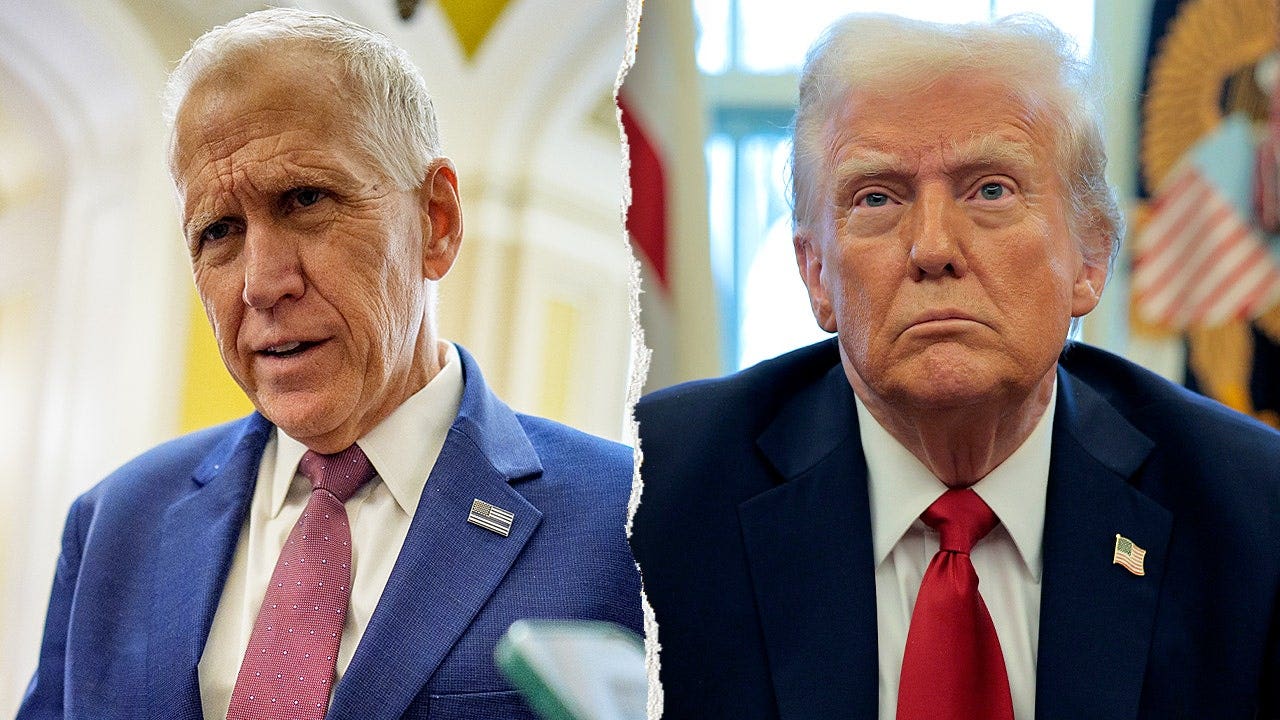
Sen. Thom Tillis told the News & Observer that the SAVE America Act (a GOP-backed federal election-integrity bill pushed by former President Trump) could not be implemented in time to affect the upcoming midterm elections because it lacks allocated funding, clear implementation instructions, and sufficient time for states to establish voter ID systems. Tillis noted that even if the bill secured 60 Senate votes, practical constraints—such as the need for state-level setups that can take a year and the absence of federal funding—would prevent meaningful effect before November. The bill is dividing Republicans, faces unified Democratic opposition, and some GOP lawmakers (including Sen. Mike Lee and Rep. Anna Paulina Luna) continue to press for Senate action. Trump has publicly demanded passage, suggested changing Senate rules or attaching the bill to must-pass legislation, and cited a recent Supreme Court decision about counting mail-in ballots after Election Day in renewing his push.
Biblical Reflection
This story highlights a recurring tension between political urgency and the practical work of governance. The article’s core claim—that the SAVE America Act cannot realistically be implemented before the midterms without funding or time—is a practical, verifiable point about administrative capacity rather than mere rhetoric. The coverage centers Republican disagreement and Trump’s insistence, which signals both genuine policy differences over feasibility and a political strategy that values symbolic action and messaging. From a Christian perspective, important values are at stake: truth (accurate claims about feasibility), stewardship (responsible use of legislative power and funding), and the common good (protecting access to orderly, trustworthy elections). Rapid, top-down changes to voting rules that lack clear implementation plans risk undermining public confidence and harming neighbors, especially vulnerable voters who rely on stable procedures. Christians should be wary of partisan narratives that prioritize victory or spectacle over careful, transparent processes that protect both integrity and access. At the same time, legitimate concerns about election integrity deserve sober, evidence-based responses pursued with humility, not theatrical pressure. Assess proposals by asking whether they strengthen justice and peace, whether they equip rather than disrupt communities, and whether they respect lawful, cooperative public service.
Scripture in context
This outlook does not yet include contextual Scripture citations. Do not treat a general biblical theme as an exegetical conclusion.
Faithful Response
No prescribed response is offered. Consider the reflection prompts below in your own church context.
Reflection and Discussion
- 1Who stands to gain or lose if election rules are rushed through without funding and clear implementation plans?
- 2Is the push for quick legislative wins being presented as a governance necessity or as political theater, and how can you tell the difference?
- 3How should Christians weigh concerns about election integrity with the moral duty to protect access and stability in public life?
Sources
Reporting links are evidence inputs; Sanctuary News' biblical reflection is commentary.
This outlook currently relies on fewer than two linked sources. Broaden verification before teaching from it.
- 1.Original reportprimary