News Summary
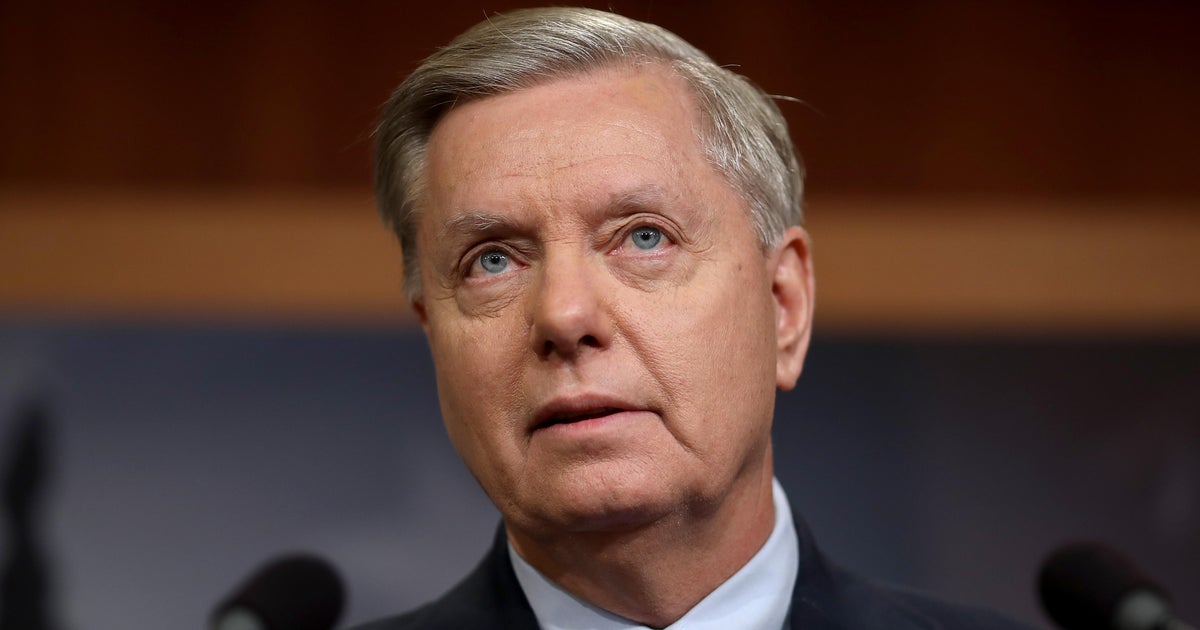
Senator Lindsey Graham died on the evening of July 11, 2026, after what his office described as a "brief and sudden illness." His office requested prayers and privacy; no further details on the cause of death were immediately released. A recorded emergency call referenced a dispatch for cardiac arrest. Graham had been in Ukraine on Friday and met with President Volodymyr Zelensky; he was scheduled to appear on NBC's Meet the Press on Sunday. U.S. and international leaders, including former President Donald Trump, Israeli Prime Minister Benjamin Netanyahu, and Israeli President Isaac Herzog, issued tributes. Graham was born July 9, 1955, in Central, South Carolina; he earned undergraduate and law degrees from the University of South Carolina, served in the South Carolina House, the U.S. House, and was elected to the U.S. Senate in 2002 with subsequent reelections in 2008 and 2014. He ran for the Republican presidential nomination in 2016. Known as a hawk on foreign policy and later as a close ally of President Trump, Graham had recently criticized initial elements of a memorandum of understanding with Iran and publicly discussed U.S. responses to potential diplomatic failures. Under South Carolina law, Governor Henry McMaster will appoint an interim replacement who will serve until January 3, 2027; the Senate seat was on the ballot for the November 3, 2026 midterm election.
Biblical Reflection
The report is a straightforward account of a high-profile public figure's sudden death and the immediate political and diplomatic responses. It centers on verified facts—death notice from his office, an emergency call mentioning cardiac arrest, recent travel to Ukraine, and reactions from leaders—while lacking medical detail, which is appropriate until official information is released. The article's prominent inclusion of tributes from allied political leaders underscores Graham's role as a partisan and international actor; readers should note that such tributes naturally highlight virtues and alliances rather than offering balanced appraisals of policy or controversy. From a Christian perspective, this moment calls for grief and for measured speech: mourning the loss of a public servant and offering compassion to his family and staff, while resisting the impulse to immediately politicize or weaponize the death for partisan gain. At the same time, Christians should attend to the concrete consequences—an appointed interim senator, a contested November election, and potential short-term effects on bipartisan support for issues such as aid to Ukraine and national security deliberations—and pray for wisdom for those making appointments and policy decisions. We should also remember to seek truth (wait for official details), show mercy (offer condolences and refrain from vitriol), practice humility (acknowledge human frailty), and pursue peace (avoid exploiting grief for partisan advantage).
Scripture in context
This outlook does not yet include contextual Scripture citations. Do not treat a general biblical theme as an exegetical conclusion.
Faithful Response
No prescribed response is offered. Consider the reflection prompts below in your own church context.
Reflection and Discussion
- 1How does the article's emphasis on tributes shape your view of the senator's legacy compared with a fuller accounting of his career and controversies?
- 2What immediate policy and political questions should Christians watch—such as the governor's appointment and impacts on support for Ukraine—before forming firm judgments?
- 3Are we responding with charity and patience in grief, or allowing partisan impulses to dominate our public speech about a deceased person?
Sources
Reporting links are evidence inputs; Sanctuary News' biblical reflection is commentary.
This outlook currently relies on fewer than two linked sources. Broaden verification before teaching from it.
- 1.Original reportprimary