News Summary
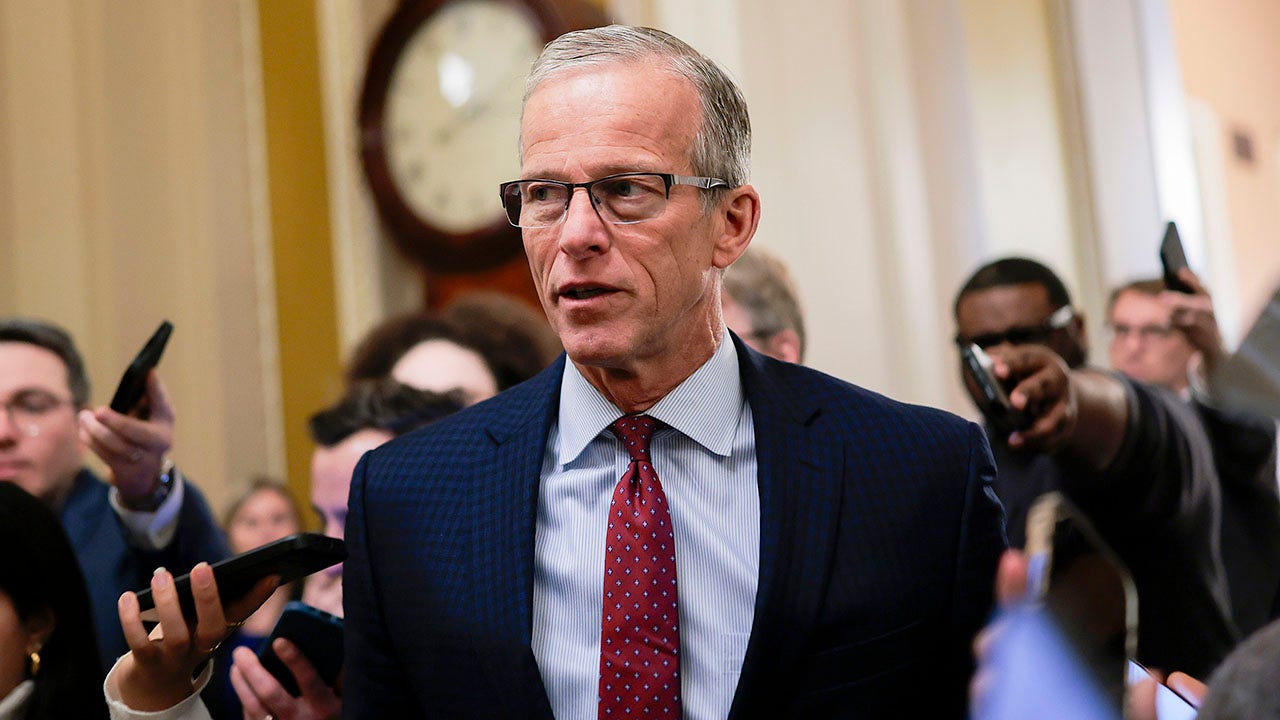
The U.S. Senate voted unanimously to temporarily extend authorities under the Foreign Intelligence Surveillance Act (FISA) after the House of Representatives failed to pass a reauthorization before an April 20 deadline. The extension provides Congress additional days to negotiate a longer reauthorization. Disagreement centers on Section 702, which authorizes collection of foreign intelligence from non‑U.S. persons abroad but can result in incidental collection of Americans' communications. Senate Majority Leader John Thune moved to extend authorities to avoid a lapse; Sen. Ron Wyden opposed a clean, long-term reauthorization without reforms and cited advances in AI that could increase surveillance risks. In the House, Speaker Mike Johnson offered options including an 18-month clean extension and a five-year extension with modest reforms; conservatives joined many Democrats to block the five-year option. The White House and President Trump urged a clean reauthorization. Lawmakers also remain divided over other priorities, including Department of Homeland Security funding and warrant requirements sought by some Democrats for certain immigration enforcement actions. The short extension delays, but does not resolve, the broader dispute; Congress faces another deadline at month’s end.
Biblical Reflection
This story highlights a familiar tension between legitimate national security needs and the protection of civil liberties. The article reports procedural developments and partisan maneuvering without deeply interrogating which reforms would strengthen both security and accountability. Christians should note two truths: governments do have a duty to protect the common good (including from foreign threats), and power that operates in secret without robust checks is prone to abuse (guarding the vulnerable and the innocent is a biblical concern). The bipartisan discomfort with Section 702 — conservatives and progressives both raising privacy alarms — suggests this is not merely political theater but a substantive dispute over oversight, warrants, and technological change (e.g., AI). The media framing emphasizes brinkmanship and blame; discernment requires asking what specific safeguards (minimization rules, independent judicial review, transparency reports, and limits on use of incidental data) are being proposed and whether oversight mechanisms are enforceable. Christians should advocate for leaders who pursue both wise protection and accountable, transparent stewardship of power, resisting fear‑driven justifications for unchecked surveillance while also recognizing legitimate security needs.
Scripture in context
This outlook does not yet include contextual Scripture citations. Do not treat a general biblical theme as an exegetical conclusion.
Faithful Response
No prescribed response is offered. Consider the reflection prompts below in your own church context.
Reflection and Discussion
- 1What assumptions about tradeoffs between security and liberty does the article accept or challenge, and who benefits if surveillance powers remain broad and opaque?
- 2Does the reporting focus more on political blame and deadlines than on the concrete oversight reforms (judicial warrants, transparency, minimization) that would protect citizens' rights?
- 3In what ways should Christians demand both effective protection from real threats and clear accountability for how surveillance tools are used?
Sources
Reporting links are evidence inputs; Sanctuary News' biblical reflection is commentary.
This outlook currently relies on fewer than two linked sources. Broaden verification before teaching from it.
- 1.Original reportprimary