News Summary
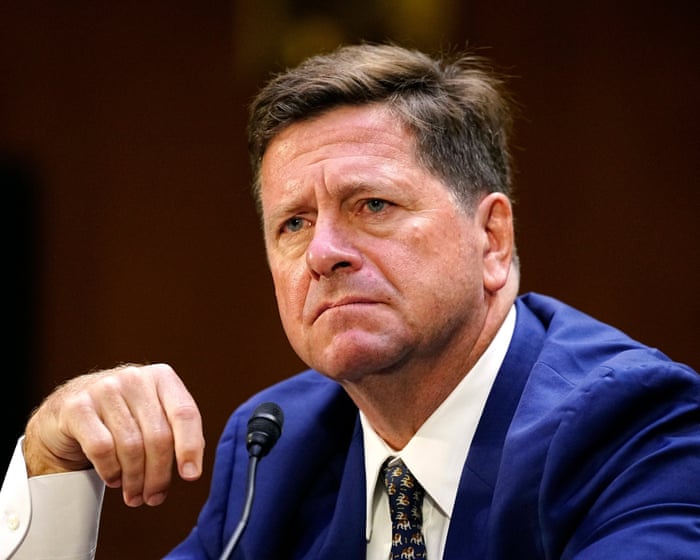
Reported facts: The Guardian live blog states the Senate will begin voting on Jay Clayton for Director of National Intelligence, and that approval is expected within days; it also reports President Trump planned a visit to a GM facility in Milford, Michigan, to promote his economic record and defend tariffs, and that early voting is underway for Michigan's 4 August primary. Attributed claims: The article describes the confirmation hearing as "tense" and characterizes tariffs as having hurt many businesses in the swing state, which are presented as reported or contextual claims. Uncertainty: The article does not provide vote details, direct quotes from senators or Clayton, the hearing transcript, or independent assessments of Clayton's qualifications.
Source and Framing Analysis
This is a single live-update article from The Guardian that combines an account of a nomination vote with contemporaneous political reporting (a presidential visit and primary voting). The framing links the confirmation to the midterm political calendar, which may foreground political implications over procedural or substantive evaluation of the nominee. Material uncertainties include the absence of hearing transcripts, roll-call schedules or counts, and sourcing that supports the description of the hearing as "tense." The piece functions as a brief update rather than in-depth investigative reporting.
Biblical Reflection
This nomination and imminent Senate vote matter for national security and public trust. Christians should care about who is placed in offices that shape truth-telling, intelligence assessments, and decisions affecting peace and safety. The article foregrounds the political context (midterm campaigns and presidential travel) alongside the confirmation process, which invites reflection on how partisan pressures can shape or obscure sober judgment about national security appointments.
Evaluate the reporting with humility and a commitment to truth: the piece reports expectations (approval within days) and characterizes the hearing as "tense," but it does not supply detailed evidence or named sources for those characterizations. Christians should resist rushing to firm conclusions based on a short live update and instead seek fuller records (hearing transcripts, roll-call votes, and independent analysis) before forming a settled judgment about the nominee's fitness or the Senate's conduct.
Practically, the Christian response centers on prayer for wisdom for leaders, advocacy for accountable and transparent processes, and attention to how appointments affect vulnerable neighbors at home and people abroad who rely on accurate intelligence for safety. We should pursue truth and peace, challenge politicization where it risks harm, and show mercy to those in public life while holding them to high standards of integrity.
Scripture in context
- 1John 8:31–36 — In its literary context, Jesus speaks to listeners about the liberating power of truth when disciples remain in his teaching; the passage contrasts spiritual freedom with bondage to falsehood or sin. — Leaders and citizens should prioritize truth and accountability in matters of public safety; seeking truth protects the vulnerable and helps communities flourish rather than allowing partisan spin to govern assessments about national security.
Faithful Response
Pray regularly for national leaders, intelligence officials, and senators as they make consequential decisions.
Seek fuller information before forming firm opinions—read hearing transcripts, official schedules, and independent analyses rather than relying only on brief live updates.
Encourage local congregations to model civil conversation: discuss public affairs with humility, verify claims, and prioritize neighbor-care over partisan scoring.
Reflection and Discussion
- 1What standards of truth and accountability should Christians insist on when national-security posts are filled?
- 2How might partisan calendars (like elections) distort public evaluation of nominees, and how should believers resist that distortion?
- 3When official processes seem rushed or politically charged, how do we both pray and act to protect the common good?
Sources
Reporting links are evidence inputs; Sanctuary News' biblical reflection is commentary.
This outlook currently relies on fewer than two linked sources. Broaden verification before teaching from it.
- 1.Senate to begin voting on Trump intelligence nominee Jay Clayton – US politics liveprimary_reporting