News Summary
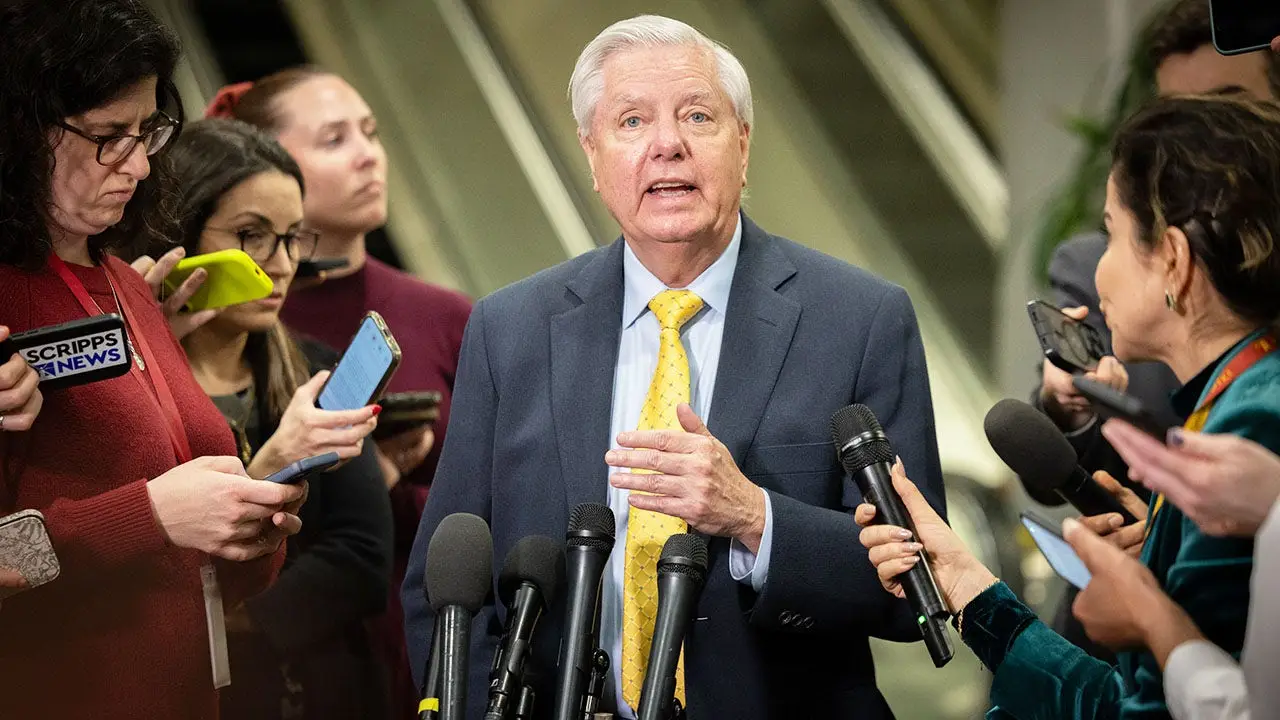
Senate Republicans, led publicly by Sen. Lindsey Graham as chair of the Senate Budget Committee, unveiled a budget resolution that would serve as the GOP framework for funding immigration enforcement. The resolution narrowly focuses on funding Immigration and Customs Enforcement (ICE) and Border Patrol/Customs and Border Protection (CBP) and proposes roughly $140 billion in spending over the next three and a half years. The measure gives the Senate Judiciary and Homeland Security panels authority to add to the federal deficit by up to $70 billion each to finance immigration operations. Republican leaders say they intend the resolution to enable a party-line reconciliation process if necessary; Democrats have said they will not fund ICE and parts of CBP without reforms. Some Senate Republicans support the narrow, party-line approach as their best chance to pass funding before the midterm elections; others (including Rand Paul and Sen. John Kennedy) criticize the plan’s size or urge adding other priorities. The Senate may vote on the budget blueprint within days, and House Republicans say they will not consider the Senate’s DHS-reopening bill until reconciliation is complete. The article focuses on intra-GOP disagreements over scope, cost, and process amid an ongoing DHS funding standoff.
Biblical Reflection
This story is primarily about budget priorities, partisan process, and competing values: public safety and rule of law versus fiscal restraint and compassion for migrants. From a Christian perspective, several biblical concerns intersect with this policy debate. Scripture upholds the legitimate role of governing authorities to maintain order and protect citizens (Romans 13), which can justify reasonable funding for border security and law enforcement. At the same time, the Bible repeatedly calls God’s people to care for strangers, foreigners, and the vulnerable (e.g., Leviticus 19:33–34; Matthew 25), which should temper policy choices and public rhetoric. The article’s framing emphasizes cost and intra-party conflict and largely centers political leaders’ perspectives; it gives little attention to the human or humanitarian consequences of the funding choices or to voices of migrants, local communities, and nonpartisan experts. Readers should notice that: (1) stewardship and fiscal prudence are legitimate Christian concerns, so the size and structure of spending matter; (2) concern for national security does not absolve policymakers from pursuing humane treatment and due process for migrants; and (3) partisan maneuvering (reconciliation, narrow party-line bills) often amplifies polarizing rhetoric and can obscure deliberative, compassionate policymaking. Evaluate leaders’ stated intentions (safety, enforcement) alongside practical outcomes (conditions in detention, asylum access, fiscal impact) and ask whether proposals pursue justice, mercy, and wise stewardship together rather than prioritizing one to the exclusion of the others.
Scripture in context
This outlook does not yet include contextual Scripture citations. Do not treat a general biblical theme as an exegetical conclusion.
Faithful Response
No prescribed response is offered. Consider the reflection prompts below in your own church context.
Reflection and Discussion
- 1Which voices and human impacts are missing from this coverage, and how would those perspectives change the policy conversation?
- 2How should Christians weigh the twin responsibilities of supporting lawful authority and protecting vulnerable people when evaluating immigration spending and enforcement?
- 3Are calls for fiscal restraint, national security, or compassion being used primarily as political tools, or are they shaping policies that advance justice and mercy in concrete ways?
Sources
Reporting links are evidence inputs; Sanctuary News' biblical reflection is commentary.
This outlook currently relies on fewer than two linked sources. Broaden verification before teaching from it.
- 1.Original reportprimary