News Summary
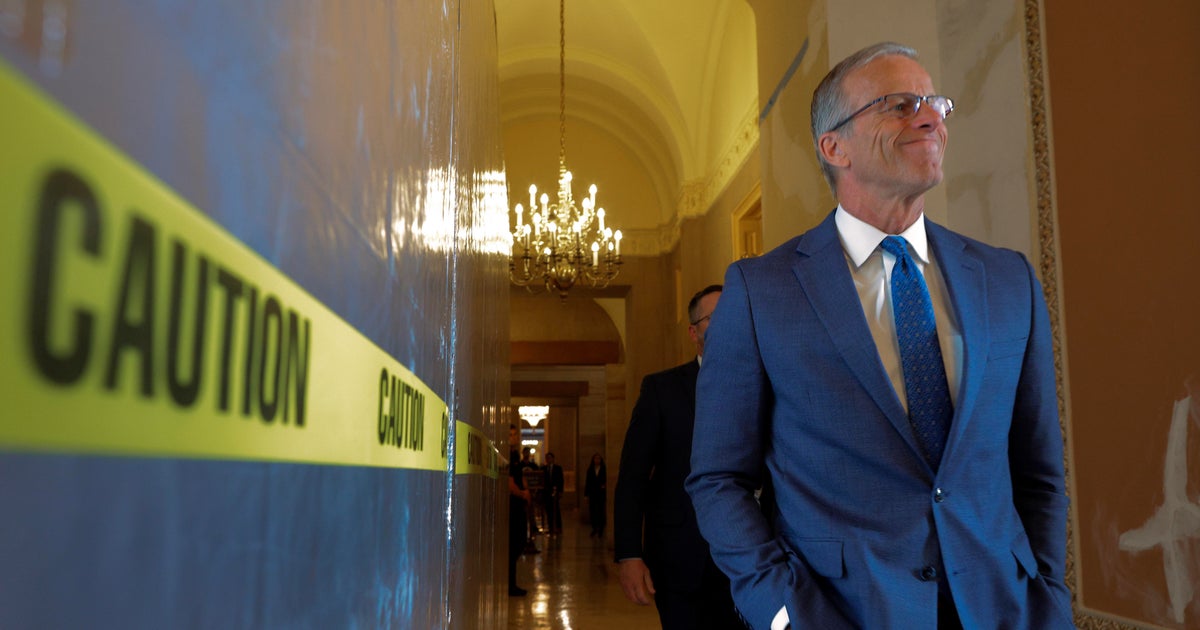
Senate Republicans signaled plans to move forward as soon as Wednesday with a roughly $72 billion reconciliation package to fund Department of Homeland Security immigration agencies through fiscal year 2029. Movement on the bill had been delayed by GOP concerns about a Justice Department program described as an "anti-weaponization" fund that would have provided payouts to individuals alleging federal "weaponization" against them. Acting Attorney General Todd Blanche testified under oath before a House committee that "we are not moving forward with the fund," a statement Senate Majority Leader John Thune said addressed many Republican concerns even though Blanche declined to provide a written commitment. Some Senate Republicans, including Sens. Thom Tillis and John Cornyn, remained skeptical and said Blanche’s oral testimony might not be sufficient. The package was created using the budget reconciliation process to avoid a 60-vote threshold; an earlier draft included $1 billion for Secret Service security upgrades tied to President Trump’s East Wing renovation, but that provision is expected to be dropped amid scrutiny and pushback.
Biblical Reflection
From a Christian perspective, this story raises questions about stewardship, transparency, and the use of public power. Lawmakers pursuing funding are responsible to steward taxpayer resources wisely and to protect public safety, while oversight of executive programs—especially those that could compensate citizens for alleged government abuse—ought to be handled with clarity and proper process. The reliance on public testimony rather than written commitments reveals a tension between political expedience and durable accountability; Christians should be wary of shortcuts that substitute rhetoric for enforceable safeguards. Partisan maneuvering, such as using reconciliation to bypass broader consensus, may be legally permissible but can exacerbate distrust and deepen tribalism; the Gospel calls us to seek truth and pursue the common good, not merely victory. At the same time, Christians should resist reducing complex policy debates to simple narratives—accusation or exoneration—without careful fact-gathering and attention to vulnerable neighbors affected by immigration enforcement. Pastoral discernment here means encouraging leaders to act with humility, insist on clear accountability, protect the vulnerable, and avoid weaponizing institutions for political ends.
Scripture in context
This outlook does not yet include contextual Scripture citations. Do not treat a general biblical theme as an exegetical conclusion.
Faithful Response
No prescribed response is offered. Consider the reflection prompts below in your own church context.
Reflection and Discussion
- 1Does public testimony under oath satisfy our need for accountability, or should written, enforceable safeguards be required before funding proceeds?
- 2How do partisan processes like reconciliation affect the ability of government to care for both national security and the vulnerable among us?
- 3Whose welfare is most at risk in this dispute—immigrants, taxpayers, or institutions—and how should that shape Christian judgment about policy and process?
Sources
Reporting links are evidence inputs; Sanctuary News' biblical reflection is commentary.
This outlook currently relies on fewer than two linked sources. Broaden verification before teaching from it.
- 1.Original reportprimary