News Summary
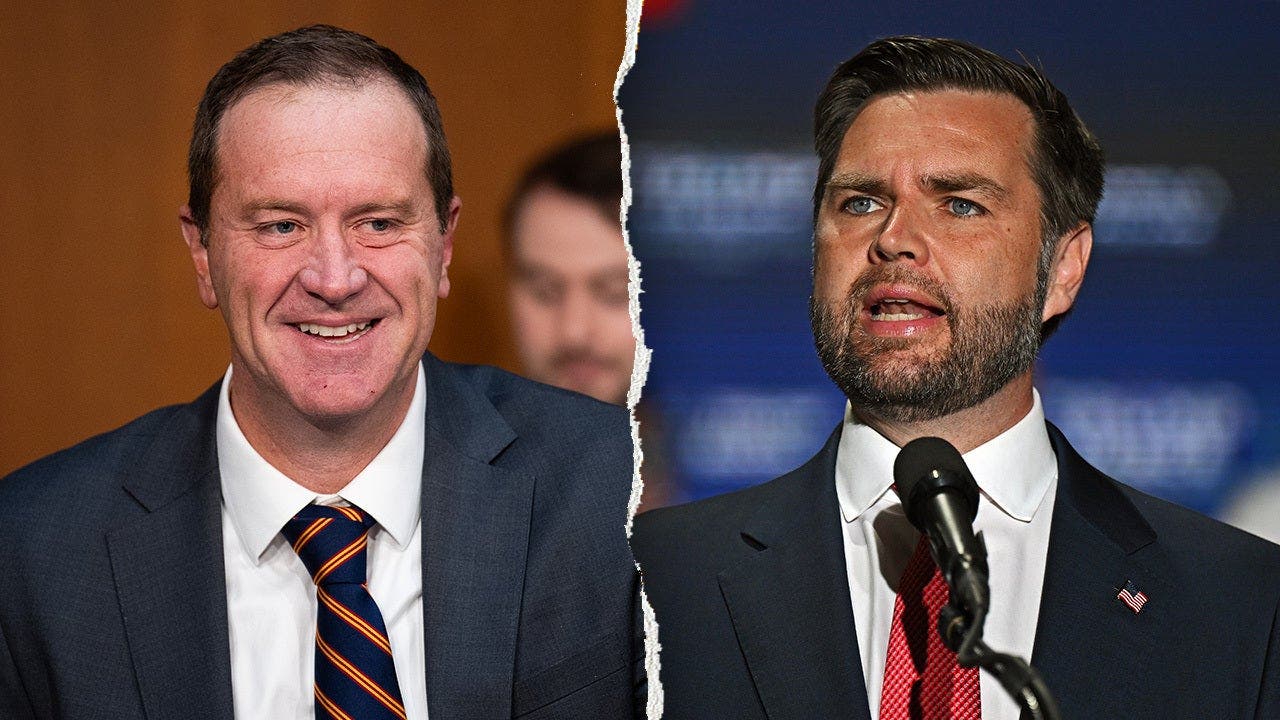
Sen. Eric Schmitt (R-Mo.) is organizing an Anti-Fraud Task Force made up of nine Senate Republicans to examine fraud, waste, and abuse across federal programs and propose ways to prevent improper payments. The group says it will align with the Trump administration’s anti-fraud efforts, led by Vice President JD Vance as an anti-fraud coordinator. The article cites Acting Attorney General Todd Blanche’s announcement of a roughly $6.5 billion Medicare and Medicaid fraud enforcement action with more than 450 arrests. It also references Vance’s operation, which identified about $6.3 billion in government contracts tied to businesses flagged as potentially fraudulent and withheld $1.4 billion from some home health and hospice providers. Sen. Ron Johnson is quoted citing widely varying government fraud estimates ($250 billion to $1 trillion annually) and arguing prevention is preferable to prosecution. Sen. Bill Cassidy and others have pursued related anti-fraud efforts focused initially on abuses uncovered in Minnesota and expanded to other states. The piece lists the senators participating and frames the effort as a coordinated Republican response to perceived large-scale government fraud.
Biblical Reflection
From a Christian perspective, the effort to protect public resources and hold those who steal from the vulnerable accountable aligns with biblical concerns for justice and stewardship. At the same time, the language in the article—phrases like "declaring war" and "organized theft"—leans toward combative, partisan rhetoric that can obscure nuance. The numbers cited are large and imprecise (estimates range widely), and some actions described (withholding funds, lists of flagged businesses) are administrative measures rather than proven recoveries; careful scrutiny of evidence and process is needed. Christians should welcome honest oversight that preserves resources for those in need, but also insist on due process, proportionality, and protections for legitimate providers and beneficiaries who rely on Medicare and Medicaid. There's a risk political motives or media framing could turn anti-fraud work into a tool for targeting opponents or cutting services; faithful discernment requires asking whether proposed remedies prioritize prevention, transparency, and care for the poor rather than partisan advantage. In short: pursue truth and accountability, but practice mercy and humility in the application of power, guarding both public purse and public trust.
Scripture in context
This outlook does not yet include contextual Scripture citations. Do not treat a general biblical theme as an exegetical conclusion.
Faithful Response
No prescribed response is offered. Consider the reflection prompts below in your own church context.
Reflection and Discussion
- 1Are the figures being used to justify new measures clear, independently verified, and disaggregated between confirmed fraud and suspected or administrative errors?
- 2Do proposed anti-fraud steps emphasize prevention and system redesign, or do they prioritize punitive actions that could also restrict access for legitimate beneficiaries?
- 3Who stands to gain politically from aggressive rhetoric about fraud, and how might that shape which programs or states are targeted?
Sources
Reporting links are evidence inputs; Sanctuary News' biblical reflection is commentary.
This outlook currently relies on fewer than two linked sources. Broaden verification before teaching from it.
- 1.Original reportprimary