News Summary
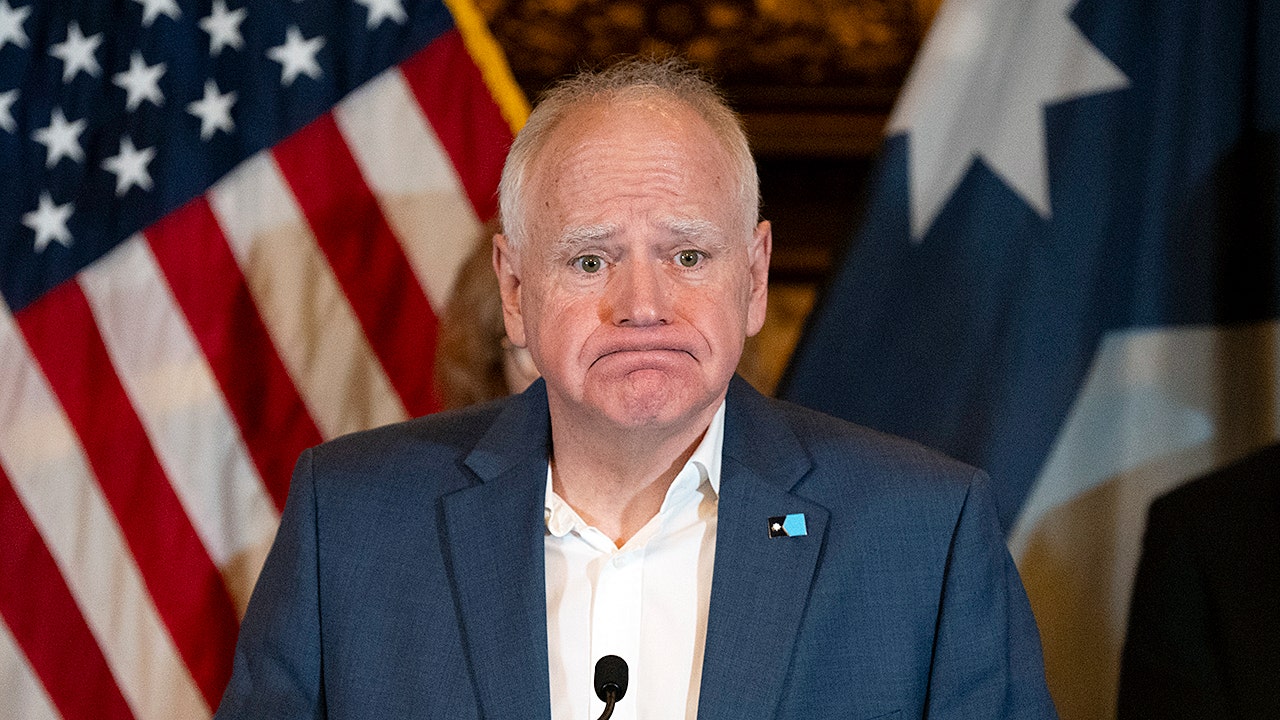
Senate Republicans unveiled a multi-bill anti-fraud package centered on the so-called "WALZ Act," named after Minnesota Gov. Tim Walz. The package targets welfare and social-services fraud, pandemic-era aid abuse, remittance schemes, repeat offenders, and related areas; Fox News Digital reports the package is projected to save roughly $240 billion. Key measures would require federal reimbursements only after services are proven provided, trigger HHS inspector general investigations if state program disbursements rise more than 10% in six months, claw back unspent COVID funds (a measure estimated to reclaim about $65 billion), extend statutes of limitations for COVID fraud prosecutions, authorize rewards to federal employees who uncover fraud, and bar convicted fraudsters from certain federal loans and assistance. Other proposals would require remittance senders to certify they are not receiving public assistance and create processes to prevent U.S. funds from reaching groups like the Taliban. The reporting notes GOP lawmakers invoked Governor Walz as emblematic of alleged Minnesota-style welfare fraud, while also mentioning criticism of Walz over a separate pardon decision and emotional testimony from a victim’s family regarding immigration issues. The package has multiple GOP co-sponsors and could be put on a Senate procedural track by Majority Leader John Thune.
Biblical Reflection
This reporting reflects a political effort to combine fiscal stewardship rhetoric with punitive policy proposals. Christians should welcome honest attempts to protect public resources and seek accountability for fraud—stewardship of shared resources is a biblical concern. At the same time, the article demonstrates partisan framing: naming the package after a sitting governor and linking unrelated scandals risks personalizing policy and inflaming public anger rather than fostering careful reform. Projected savings cited in political messaging are often estimates that depend on implementation details; prudent discernment calls for independent analysis of enforcement costs, legal implications, and likely effects on vulnerable people who rely on social programs. From a pastoral perspective, justice must be paired with mercy and due process—measures to prevent theft should not create barriers that deny needy families essential services. Beware of narratives that simplify complex systemic problems into villainous individuals or groups; Christians are called to pursue truth, protect the vulnerable, and speak for both the victim and the wrongly accused.
Scripture in context
This outlook does not yet include contextual Scripture citations. Do not treat a general biblical theme as an exegetical conclusion.
Faithful Response
No prescribed response is offered. Consider the reflection prompts below in your own church context.
Reflection and Discussion
- 1Does naming and framing this legislation encourage constructive reform or partisan shaming that obscures careful policy analysis?
- 2Are the projected savings and policy effects independently verified, and who might be unintentionally harmed by stricter administrative rules?
- 3How can efforts to stop fraud be balanced with compassion for genuine need and protection of due process?
Sources
Reporting links are evidence inputs; Sanctuary News' biblical reflection is commentary.
This outlook currently relies on fewer than two linked sources. Broaden verification before teaching from it.
- 1.Original reportprimary