News Summary
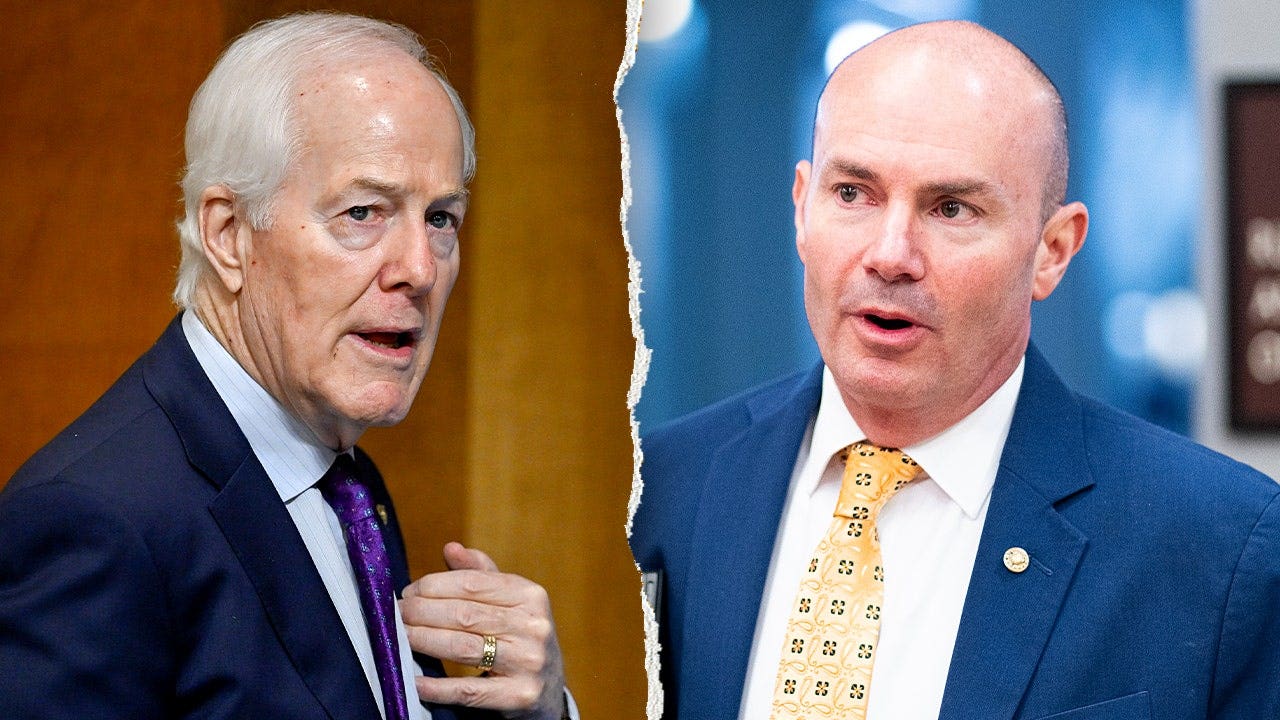
Senate Republicans are publicly clashing over a strategy to force passage of the Safeguarding American Voter Eligibility (SAVE) America Act. President Trump is pressing GOP senators to pass his version of the bill, which includes voter ID, citizenship verification for voter registration, access for DHS to voter rolls, tighter limits on mail-in ballots, and provisions on transgender athletes and surgeries for minors. Some proponents — including Sen. Mike Lee — have proposed using a “talking filibuster” to push the bill to a simple-majority threshold. Opponents, including Sen. John Cornyn, argue the talking filibuster is impractical and risky, warning it would consume Senate floor time, allow Democrats to force votes on divisive amendments, and could fail to yield the desired outcome. The debate has spilled onto social media, with sharp public exchanges between senators. In the House, Rep. Anna Paulina Luna demanded the SAVE Act be included in the must-pass National Defense Authorization Act (NDAA); Speaker Mike Johnson agreed to include the House-passed version, though Senate negotiators could remove it to secure the NDAA. The Supreme Court’s recent decision allowing late-arriving mail ballots to be counted has reignited Trump’s push. Several Senate Republicans (named in public comments) remain unwilling or uncertain about supporting Trump’s full package, and the bill’s passage in the Senate remains unlikely without major procedural changes or unified GOP support.
Biblical Reflection
This story shows a partisan struggle over both procedure and policy. The core public claims — a push for federal voting rules and a proposal to use an unusual procedural tactic — are factual, but the coverage and the participants’ rhetoric amplify stakes and urgency. The underlying worldviews are clear: one side treats expanded voting restrictions as necessary to protect election integrity; the other side emphasizes institutional norms, practical Senate governance, and the risks of opening process to political gamesmanship. Christians should weigh competing goods: a legitimate desire for truthful and secure elections, and the need to preserve fair access, civic stability, and respectful public discourse. Rhetoric that frames opponents as existential threats or that weaponizes fear undermines neighbor-love and civic trust. Procedural innovations touted as shortcuts to policy change also carry moral costs when they erode deliberation or enable major changes without broad consensus. Pastorally, the church should urge civic engagement that seeks truthful evidence, protects the vulnerable, and cultivates humility and restraint among leaders. Pray for lawmakers to pursue justice without demonizing others, and for citizens to evaluate policies on concrete effects rather than partisan loyalty alone.
Scripture in context
This outlook does not yet include contextual Scripture citations. Do not treat a general biblical theme as an exegetical conclusion.
Faithful Response
No prescribed response is offered. Consider the reflection prompts below in your own church context.
Reflection and Discussion
- 1How does urgent, fear-laden political rhetoric change the way we assess procedural innovations versus long-standing norms?
- 2Which values—electoral integrity, broad access, institutional stability—are being prioritized, and how might those priorities shape outcomes for vulnerable voters?
- 3When leaders propose extraordinary tactics to pass major laws, what signs should we look for to judge whether the move advances common good or deepens partisan fracture?
Sources
Reporting links are evidence inputs; Sanctuary News' biblical reflection is commentary.
This outlook currently relies on fewer than two linked sources. Broaden verification before teaching from it.
- 1.Original reportprimary