News Summary
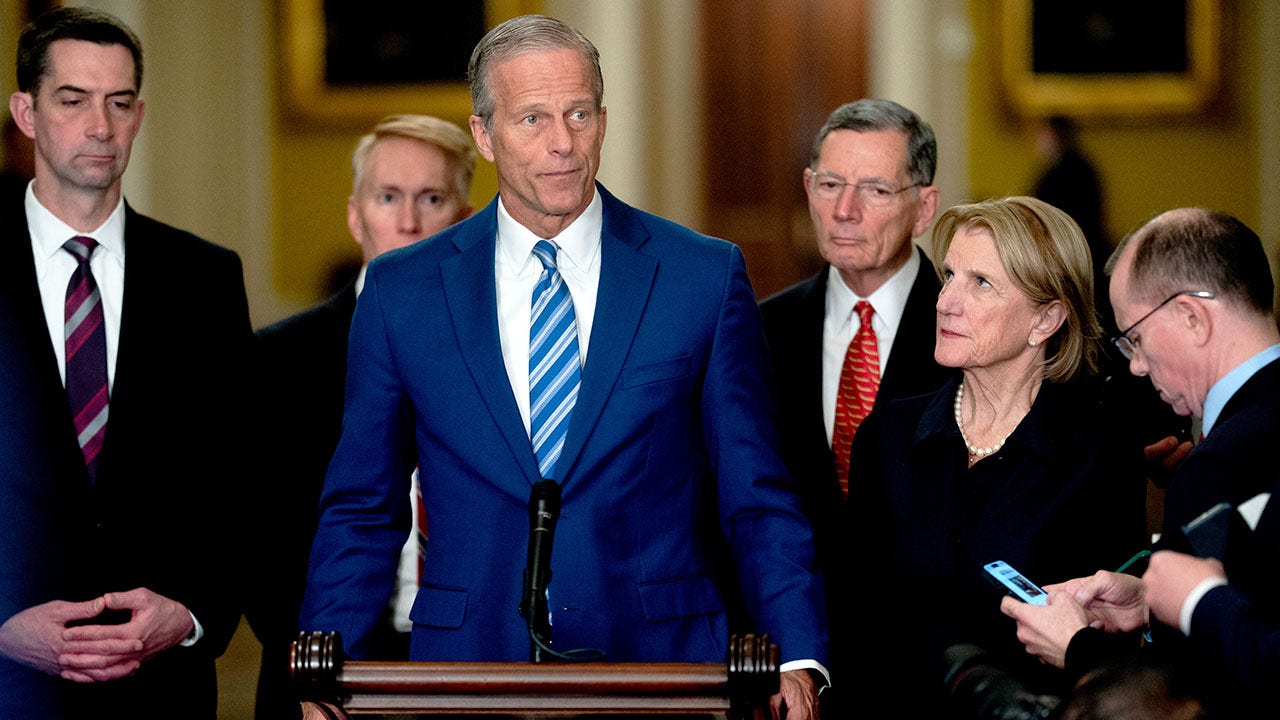
Senate Republicans are moving to pass a party-line budget reconciliation package aimed at funding immigration enforcement (ICE and Border Patrol) without Democratic support. Leadership intends to keep the package narrowly tailored — primarily to finance immigration operations for the next three years — to speed the reconciliation process and avoid involving additional committees. Sen. Lindsey Graham will introduce a budget resolution to guide the reconciliation work, with the Senate Judiciary and Homeland Security committees taking lead roles. Some Republicans, including Sen. Ted Cruz and many House Republicans, want a broader package that would add longer-term funding and other priorities (for example, tax measures and additional border-related provisions). Senate Majority Leader John Thune signaled Republicans had made a final offer to Democrats to reopen DHS funding, while other senators warned that expanding the reconciliation vehicle would add complexity and delay. The disagreement between senators who prefer a 'skinny' bill and those pushing for a larger package contributes to inter- and intra-party tensions as the shutdown and funding deadline persist.
Biblical Reflection
This article reports partisan strategy and internal GOP debate about process and scope rather than detailed policy impacts. The central reality is procedural: reconciliation is being used to bypass Democratic opposition. Readers should notice two recurring dynamics: (1) a focus on political maneuvering over substantive policy trade-offs, and (2) pressure for quick, narrowly targeted fixes versus calls for broader, longer-term solutions. From a Christian perspective, the story raises questions about priorities and the moral tone of political discourse. Scripture repeatedly calls leaders and communities to pursue justice, protect the vulnerable, and speak truth (e.g., care for strangers, fair governance). Policies that secure borders and fund law enforcement can align with legitimate duties of government, but Christians should also weigh whether the strategies and rhetoric serve the common good, preserve human dignity, and pursue durable solutions rather than short-term partisan advantage. Media outlets often emphasize conflict and urgency; readers should watch for framing that elevates partisan unity or scorched-earth tactics as ends in themselves rather than means to just and humane policy. Pray for wisdom for legislators to balance rule of law, compassionate care for migrants, and long-term stability, and be wary of letting partisan loyalties eclipse moral responsibilities laid out in Scripture.
Scripture in context
This outlook does not yet include contextual Scripture citations. Do not treat a general biblical theme as an exegetical conclusion.
Faithful Response
No prescribed response is offered. Consider the reflection prompts below in your own church context.
Reflection and Discussion
- 1What assumptions about security, justice, and compassion shape preferences for a 'skinny' short-term funding bill versus a broader, longer-term package?
- 2How does the media's emphasis on partisan maneuvering affect our ability to assess the human consequences of policy choices at the border?
- 3Are political strategies in this story seeking durable solutions that honor human dignity, or primarily pursuing procedural advantage for one party?
Sources
Reporting links are evidence inputs; Sanctuary News' biblical reflection is commentary.
This outlook currently relies on fewer than two linked sources. Broaden verification before teaching from it.
- 1.Original reportprimary