News Summary
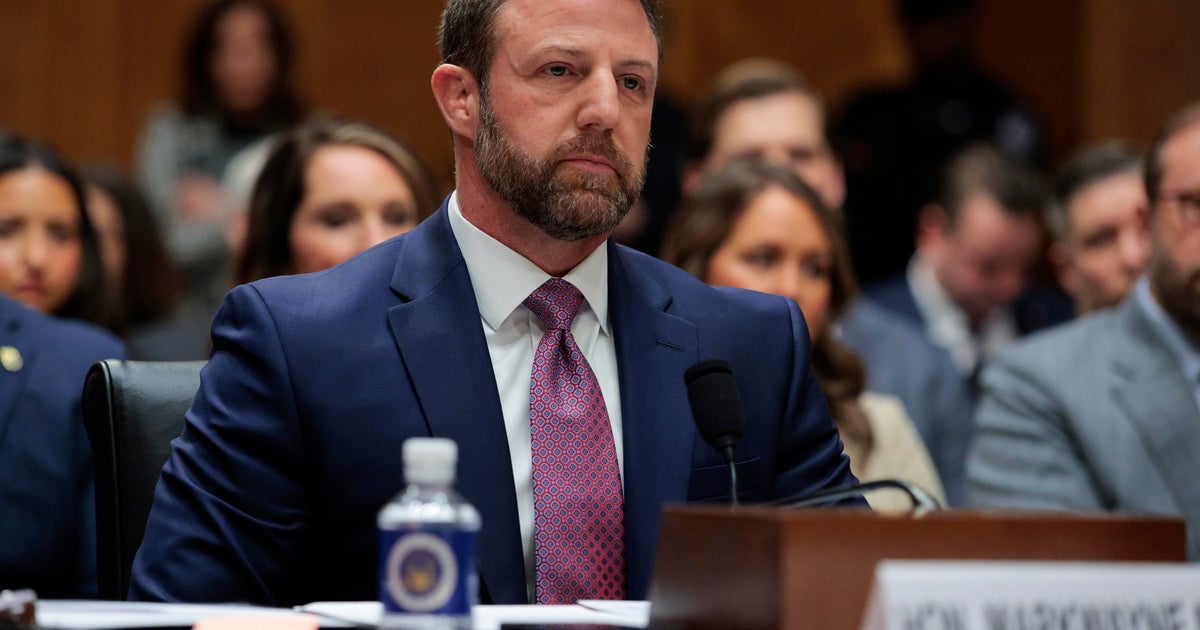
The Senate Homeland Security and Governmental Affairs Committee voted 8–7 to advance Senator Markwayne Mullin's nomination to be Secretary of the Department of Homeland Security, setting up a floor vote. Committee chairman Rand Paul was the only Republican to vote against advancing the nomination; Democratic Senator John Fetterman voted to advance it, allowing passage. The confirmation hearing included heated exchanges—Paul accused Mullin of having once called him a “freaking snake” and of seeming to praise violence against political opponents, and raised questions about an overseas work trip Mullin described as classified. Mullin denied endorsing violence, said he and Paul simply do not get along, and agreed to discuss the classified trip in secure settings. Democrats on the committee largely opposed advancement, citing concerns about Mullin’s transparency and temperament, while some members praised his professionalism and willingness to work across the aisle. President Trump has publicly endorsed Mullin, calling him a “MAGA Warrior.” Mullin would replace Kristi Noem amid criticism of DHS regarding immigration enforcement and other controversies.
Biblical Reflection
Scripturally, this story raises enduring questions about the character, transparency, and priorities we should expect of public leaders. Scripture repeatedly elevates virtues such as honesty, self-control, humility, and justice for the vulnerable—qualities necessary for those who wield public power. Allegations that a nominee applauded violence or showed poor temperament should be taken seriously because leaders set the tone for institutions and public life (Proverbs warns about the consequences of ungodly leadership). At the same time, the Bible calls God’s people to respect governing authorities (Romans 13) and to pray for leaders (1 Timothy 2:1–2), even as we hold them accountable. National security roles require balancing legitimate confidentiality with the public’s need for trust and accountability; secrecy for safety’s sake must not become a cover for evading responsibility. Christians should also be wary of partisan idolatry—lauding leaders as messianic figures or reducing policy to tribal loyalty—and instead measure public servants by their fruit: justice, protection for the vulnerable (including migrants and refugees), stewardship of resources, and a posture of humility and service (Micah 6:8; Matthew 25). Practically, the faithful community should pray for wisdom for senators, discernment about candidates’ character, and pursue truth and reconciliation rather than contributing to threats or celebrating violence. Where leaders fall short, Christian discipleship calls for faithful advocacy for justice, merciful care for the marginalized, and persistent prayer for renewal of civic life.
Scripture in context
This outlook does not yet include contextual Scripture citations. Do not treat a general biblical theme as an exegetical conclusion.
Faithful Response
No prescribed response is offered. Consider the reflection prompts below in your own church context.
Reflection and Discussion
- 1How am I balancing the call to pray for and respect leaders with the biblical responsibility to speak truth and hold them accountable when their character or actions cause harm?
- 2Where might I be tempted to idolize a political leader or movement, and how can I re-center my allegiance on Christ’s standards of justice and compassion?
- 3In this nomination and controversy, what concrete ways can my congregation or I seek the welfare of those most affected by DHS policies (e.g., migrants, refugees, vulnerable communities)?
Sources
Reporting links are evidence inputs; Sanctuary News' biblical reflection is commentary.
This outlook currently relies on fewer than two linked sources. Broaden verification before teaching from it.
- 1.Original reportprimary