News Summary
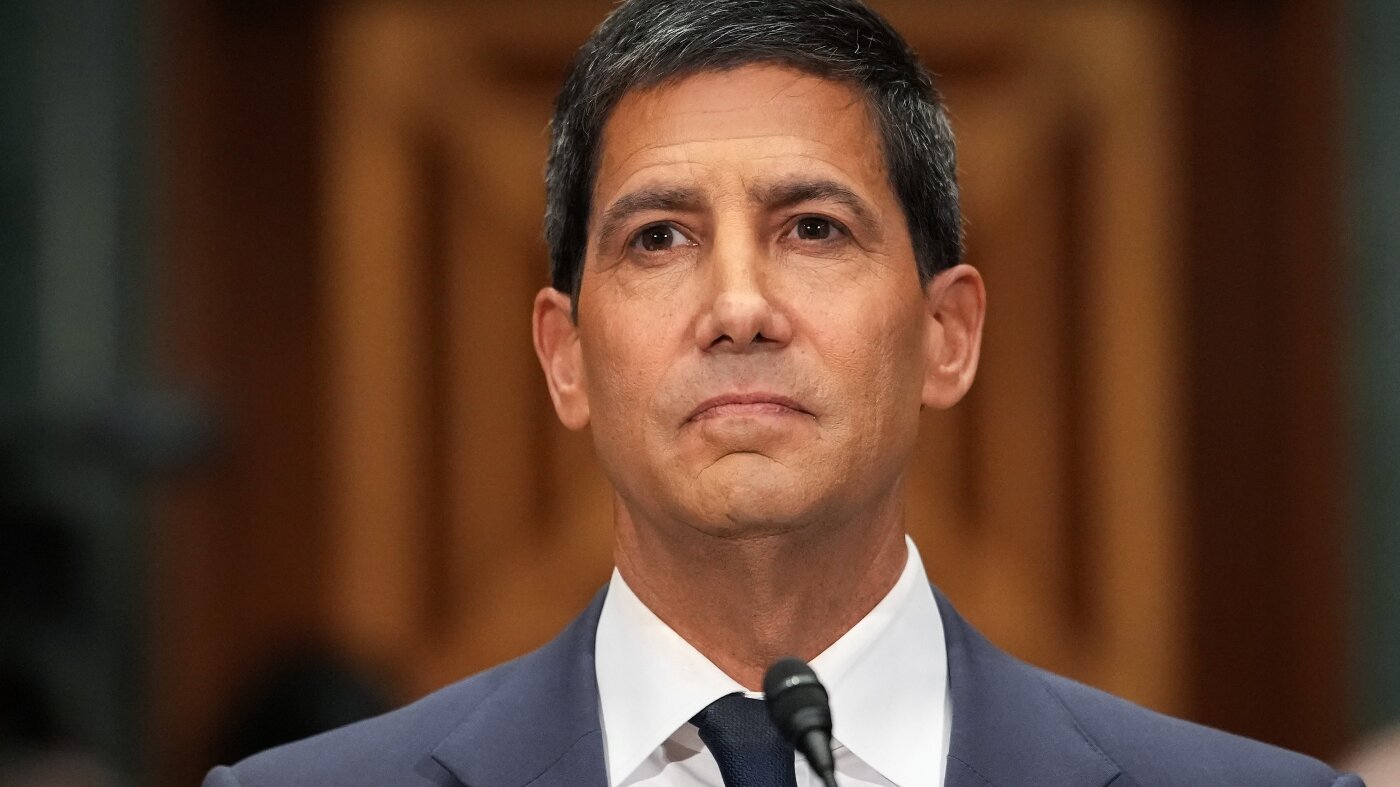
The Senate confirmed Kevin Warsh as chair of the Federal Reserve by a 54–45 vote. Warsh is President Trump's nominee and has argued there is room to lower interest rates, while also saying he will exercise independent judgment rather than follow White House direction. He replaces Jerome Powell, whose term as chair ends Friday; unusually, Powell will remain on the Fed's governing board and retain a vote on the rate-setting committee for a period after stepping down. Warsh's confirmation was delayed amid a White House pressure campaign on the Fed that included a Justice Department probe of the central bank; Senator Thom Tillis initially blocked a committee vote on Warsh in protest of that probe but lifted his hold after a U.S. attorney agreed to drop it. The article notes rising inflation (Labor Department report: 12‑month increase of 3.8%) and higher fuel costs after disruptions to tanker traffic in the Strait of Hormuz as factors complicating the case for cutting rates. Warsh has proposed changes to how inflation is measured and to Fed public communications. He previously served on the Fed's board from 2006 to 2011 and acted as a liaison to Wall Street during the financial crisis.
Biblical Reflection
From a Christian perspective, this story highlights several sober realities: the importance of wise, independent stewardship over public institutions; how political pressure can risk undermining institutions that protect the common good; and the real human cost of macroeconomic decisions—especially for low‑income households who are most harmed by inflation and higher fuel costs. The article is mainly informational, but it frames the nomination in partisan terms and emphasizes conflict between the White House and the Fed. Readers should note that complex economic outcomes (inflation, interest-rate decisions) rarely have single causes; the piece simplifies some links (for example, attributing recent price pressures to disruptions in the Strait of Hormuz) without deep technical analysis. Biblically, Christians are called to seek wisdom (James 1:5) and to care for neighbors who suffer from economic hardship (Isaiah 1:17; Luke 3:11). That means evaluating claims about policy through careful inquiry rather than partisan reflex, praying for leaders to govern with justice and prudence, and advocating for policies that protect the vulnerable. Also be wary of treating any political actor or economic framework as ultimately salvific; our hope is in Christ even as we engage responsibly in civic life.
Scripture in context
This outlook does not yet include contextual Scripture citations. Do not treat a general biblical theme as an exegetical conclusion.
Faithful Response
No prescribed response is offered. Consider the reflection prompts below in your own church context.
Reflection and Discussion
- 1How does the article present the balance between political influence and institutional independence at the Fed, and what assumptions does that framing make about motive and propriety?
- 2Whose interests are emphasized or missing in the coverage—does the reporting consider who bears the greatest burden from inflation or interest‑rate moves?
- 3Where does the article simplify complex economic causation, and what further information would you want before accepting its implications for policy?
Sources
Reporting links are evidence inputs; Sanctuary News' biblical reflection is commentary.
This outlook currently relies on fewer than two linked sources. Broaden verification before teaching from it.
- 1.Original reportprimary