News Summary
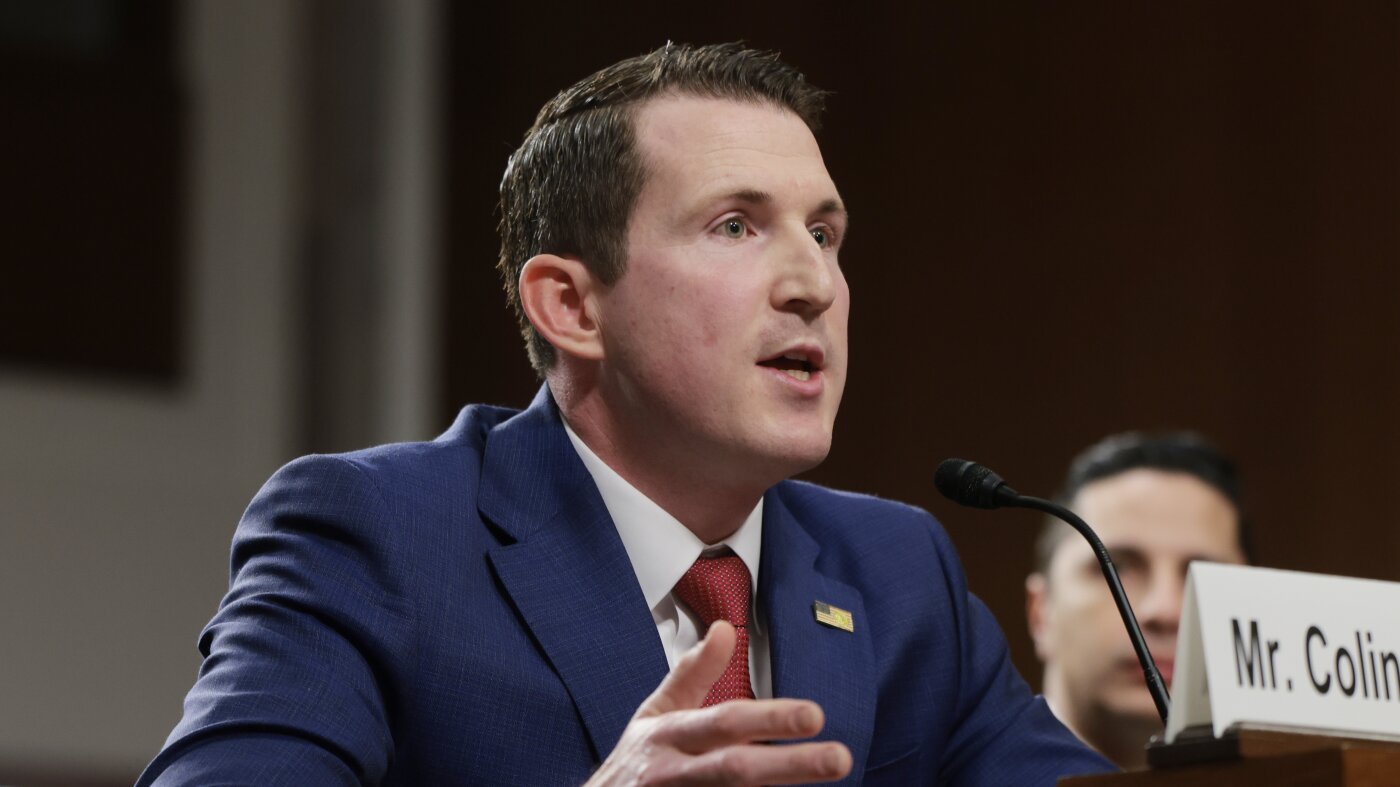
The U.S. Senate confirmed Colin McDonald on a 52–47 vote as assistant attorney general to lead a newly created Justice Department office focused on fraud enforcement in government programs. The confirmation followed White House plans for an anti-fraud task force chaired by Vice President J.D. Vance and descriptions that the new DOJ role could have a direct line to the White House. Supporters framed the move as an effort to protect taxpayer funds and pursue long-running fraud prosecutions (including cases in Minnesota involving pandemic-era food and other program fraud). Critics — including Democratic lawmakers and former DOJ officials — warned the new structure risks politicizing federal law enforcement and duplicating existing fraud-fighting work across DOJ, HHS, the FBI and inspectors general. During his confirmation hearing McDonald said he would report to Deputy Attorney General Todd Blanche and emphasized following facts and law; senators pressed him about his prior role supervising a DOJ Weaponization Working Group. The White House and DOJ did not provide detailed answers to questions about how the new office and the White House-led task force will coordinate. Separately, the administration temporarily halted some federal Medicaid funding to Minnesota while pursuing inquiries, and Minnesota has sued to block that action. Reports note longstanding federal anti-fraud efforts and also point to recent DOJ de-prioritization of some enforcement units.
Biblical Reflection
From a Christian perspective, two truths are clear: protecting public resources and rooting out corruption are morally important, and impartial justice is a God-honoring good. The article reports both the stated aim (stewardship of taxpayer-funded programs) and real concerns (possible politicization and duplication of existing enforcement). Scripture affirms pursuing justice, but it also warns against partiality and misuse of authority. Watch for frames that simplify complicated problems into political narratives that may scapegoat groups (the piece references the nationality and faith background of many defendants in Minnesota prosecutions). Practically, Christians should hope for honest investigations that protect the vulnerable, preserve institutional independence, and pursue evidence-based prosecutions rather than partisan targets. The article shows a tension between a legitimate desire to stop fraud and the risk that new structures answer to political leadership in ways that undermine fair process. Discernment requires asking whether policies increase accountability and protect the weak, or whether they enable power to be wielded for political ends. Where reporting emphasizes rhetoric ('war on fraud') or points to selective examples, readers should look for broader data, procedural safeguards, and mechanisms that preserve the rule of law.
Scripture in context
This outlook does not yet include contextual Scripture citations. Do not treat a general biblical theme as an exegetical conclusion.
Faithful Response
No prescribed response is offered. Consider the reflection prompts below in your own church context.
Reflection and Discussion
- 1Does the structure described (a DOJ office with a reported direct line to the White House) provide sufficient safeguards to ensure investigations are evidence-based and impartial?
- 2Are media and political leaders using isolated cases of fraud to advance broader partisan aims, and how should Christians test such narratives against facts and fairness?
- 3Who might be most vulnerable to unintended harms from aggressive anti-fraud campaigns (e.g., marginalized communities, administrative recipients), and are protections for their rights being discussed?
Sources
Reporting links are evidence inputs; Sanctuary News' biblical reflection is commentary.
This outlook currently relies on fewer than two linked sources. Broaden verification before teaching from it.
- 1.Original reportprimary