News Summary
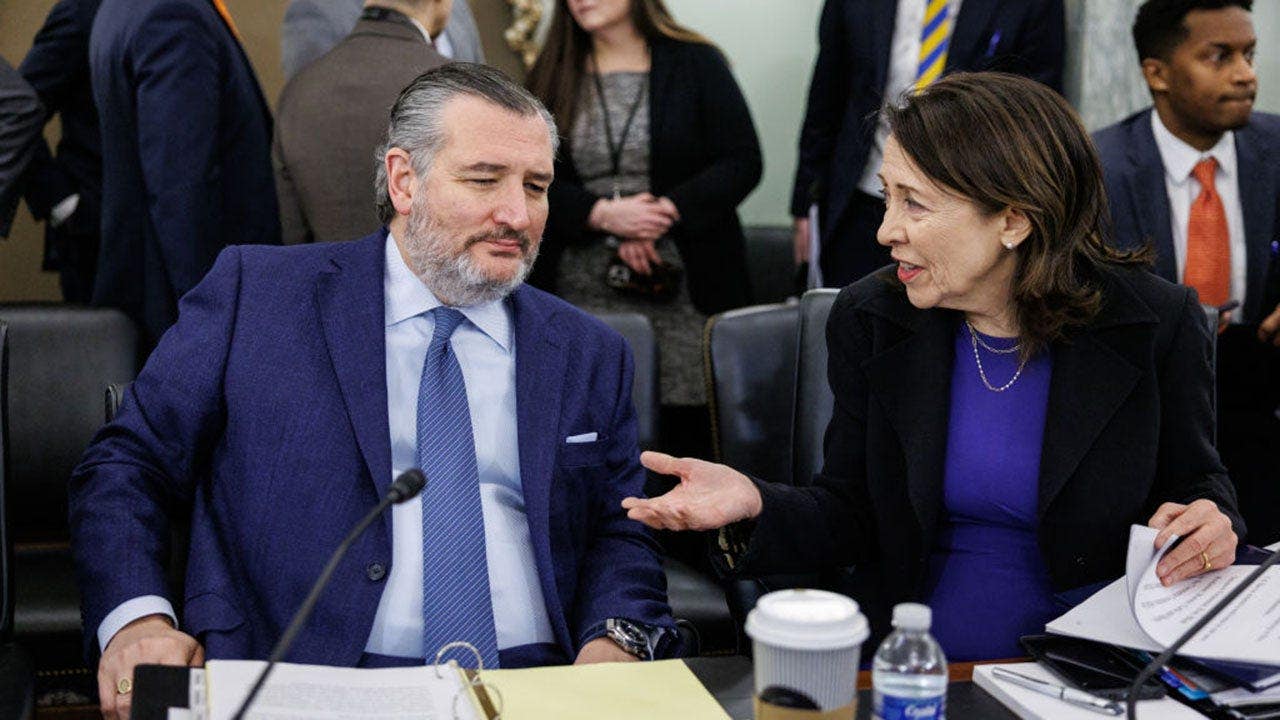
The Senate Commerce Committee approved the Protect College Sports Act (PCSA) by a 19-9 vote, sending the bill to the full Senate for possible floor consideration. Senators Ted Cruz (R‑TX) and Maria Cantwell (D‑WA) led the markup. The legislation has attracted support from some leagues and opposition from others, including the SEC and Big Ten, which say requested revisions to secure their support were not accepted. Key changes in the revised bill include lowering the revenue threshold for an anti‑expansion provision to $700 million (down from $1 billion), separating Olympic and women’s sports from a media‑rights pooling provision, and setting minimum scholarship and roster-size requirements that are not tied to pooled media rights. The bill contains provisions that would limit certain player compensation and transfer practices and addresses voluntary media‑rights pooling and possible “super league” formations; opponents warn such guardrails could prompt lawsuits and oppose limits on collective bargaining for student‑athletes. With about 50 days before Congress’ summer recess, Senate Majority Leader John Thune must schedule a floor vote; the House is also a pending part of the legislative process.
Biblical Reflection
From a Christian discernment perspective, this story raises questions about power, stewardship, and the protection of vulnerable people. The bill is framed as a bipartisan attempt to stabilize a money‑intense sector while curbing concentrated power among the wealthiest conferences. That framing highlights a biblical concern: when institutions acquire great financial power, the temptation is to protect revenue and status rather than the flourishing of individuals who serve the institution — in this case, student‑athletes. The article also reflects competing interests — conferences and media rights holders defending institutional stability and revenue, athletes and advocates asserting rights and compensation — and potential bias in coverage that emphasizes the drama between elected leaders and powerful conferences. Christians should weigh both truth and mercy: truth requires careful attention to the legal and economic consequences (including likely litigation and effects on athletes’ rights), while mercy calls us to prioritize the wellbeing, education, and fair treatment of the athletes themselves. Practically, that means advocating for policies that protect young people from exploitation, promote justice in compensation and opportunity, and temper the idolatries of money and prestige. Finally, humility is needed: all stakeholders hold partial views shaped by self‑interest, so prayerful listening, transparency, and honest negotiation are virtues to seek as the bill moves forward.
Scripture in context
This outlook does not yet include contextual Scripture citations. Do not treat a general biblical theme as an exegetical conclusion.
Faithful Response
No prescribed response is offered. Consider the reflection prompts below in your own church context.
Reflection and Discussion
- 1Who benefits most from the proposed rules — wealthy conferences, media companies, or the students themselves — and how is that shaping the debate?
- 2What assumptions about fairness and freedom are hidden in proposals that limit transfers, compensation, or collective bargaining for athletes?
- 3How might Christians call institutions and lawmakers to balance institutional stability with the dignity, education, and long‑term flourishing of student‑athletes?
Sources
Reporting links are evidence inputs; Sanctuary News' biblical reflection is commentary.
This outlook currently relies on fewer than two linked sources. Broaden verification before teaching from it.
- 1.Original reportprimary