News Summary
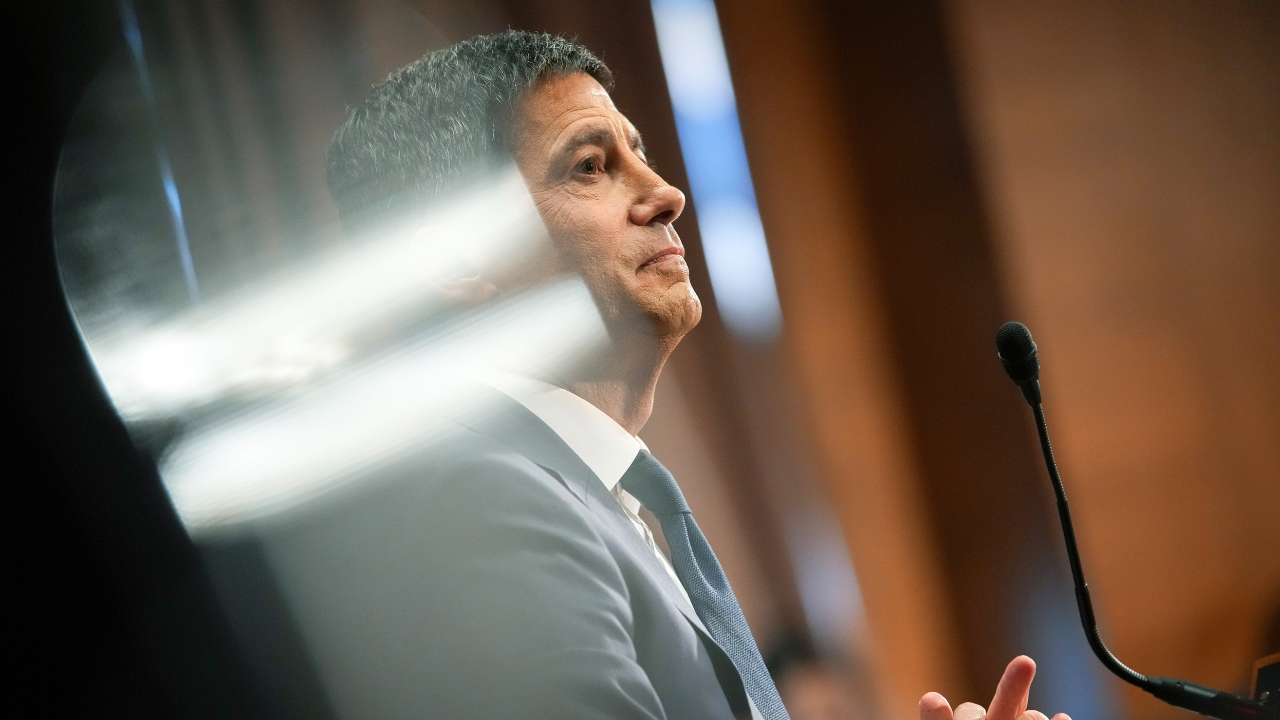
The Senate Banking Committee scheduled a Wednesday vote on President Donald Trump's nominee, Kevin Warsh, to lead the Federal Reserve. If approved by the committee, Warsh’s nomination would go to the full Senate, where Republicans hold a narrow majority. Warsh, a former Morgan Stanley banker and former Fed governor, testified that he would keep monetary policy "strictly independent" and said the Fed should avoid involvement in social policy; he also indicated openness to closer coordination with elected leaders on nonmonetary matters. The committee vote advanced only after the Justice Department closed a probe into Fed Chair Jerome Powell related to alleged mismanagement of renovation funds at Fed headquarters; Senator Thom Tillis had withheld support pending resolution of that probe. The article notes broader context: persistent inflation, geopolitical tensions tied to the war in Iran, and political pressure from the White House for lower interest rates. Powell called the DOJ investigation "unprecedented" and framed it as part of Trump’s pressure campaign. Powell’s chair term was set to end May 15, though he could remain on the Fed board for an additional two years.
Biblical Reflection
From a Christian perspective, this story raises questions about stewardship, institutional integrity, and the rightful relationship between elected leaders and independent institutions. The nomination process described is a legitimate political exercise, but the article highlights tensions that matter spiritually: the temptation to use power to shape independent institutions for short-term political aims, and the corresponding need for accountability where wrongdoing is alleged. The article largely reports factual developments (nomination, committee vote, DOJ probe, Warsh’s testimony), but readers should note implicit framings: emphasis on Trump’s influence and on Warsh’s willingness to work with elected officials may be presented in ways that imply either necessary coordination or undue politicization, depending on the reader’s priors. Scripture calls leaders to impartiality, truthfulness, and care for the common good; Christians should weigh claims about independence and coordination against those virtues. Pray for wisdom and transparency in governance, and be cautious of narratives that reduce complex institutional roles to partisan advantage. In evaluating coverage, look for missing information (e.g., specifics of the DOJ findings, full record of Warsh’s policy views, and the mechanics of Fed independence) rather than accepting broad implications about motive or guilt.
Scripture in context
This outlook does not yet include contextual Scripture citations. Do not treat a general biblical theme as an exegetical conclusion.
Faithful Response
No prescribed response is offered. Consider the reflection prompts below in your own church context.
Reflection and Discussion
- 1Does the article present facts neutrally, or does it emphasize details that frame the Fed's independence as primarily a partisan prize? What evidence is offered for either claim?
- 2How should Christians balance respect for institutional independence with the biblical call to hold leaders accountable for stewardship and justice?
- 3What further factual information would reduce partisan inference here (e.g., DOJ findings, Warsh's detailed policy plans, precedent for coordination between the Fed and elected officials)?
Sources
Reporting links are evidence inputs; Sanctuary News' biblical reflection is commentary.
This outlook currently relies on fewer than two linked sources. Broaden verification before teaching from it.
- 1.Original reportprimary