News Summary
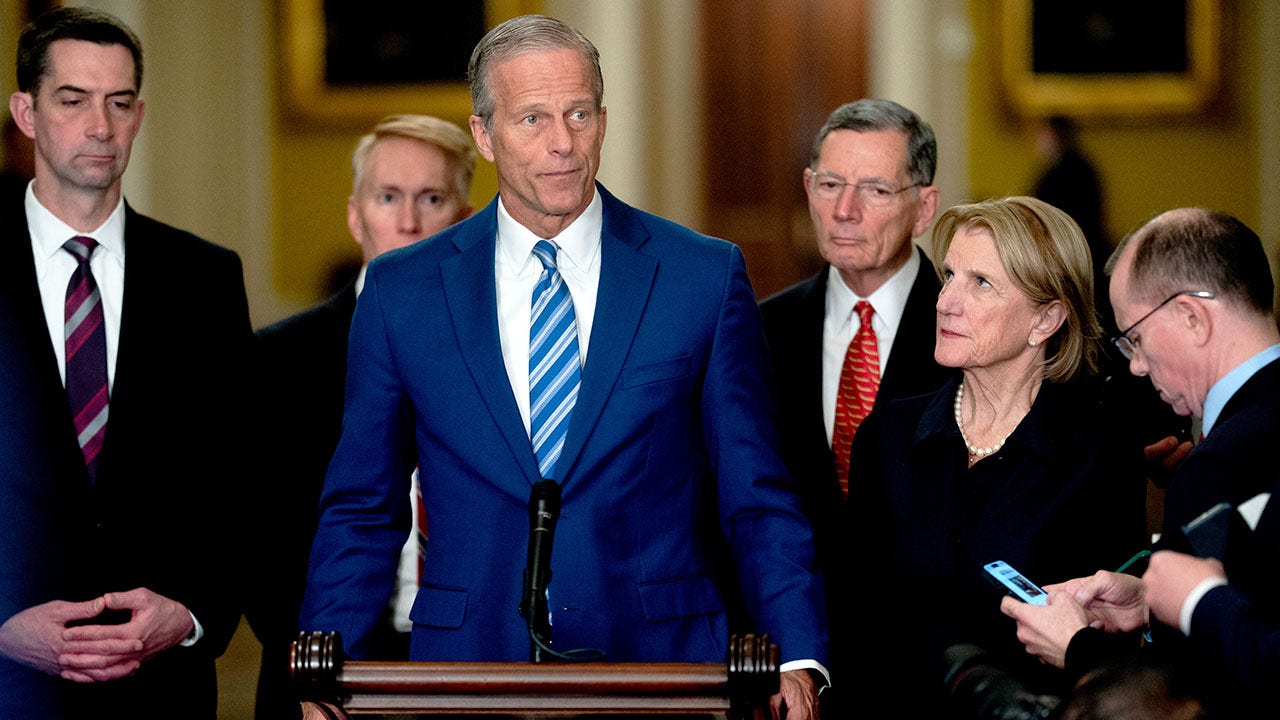
The Senate unanimously advanced a last-minute measure early Friday to reopen most of the Department of Homeland Security (DHS) after a 42-day partial shutdown. The deal excludes funding for Immigration and Customs Enforcement (ICE) and for certain parts of U.S. Customs and Border Protection (CBP). Senate Democrats, led by Minority Leader Chuck Schumer, secured the carve-out and described it as a successful hold-the-line strategy; Republicans, including Senate Majority Leader John Thune, said they had sought to fund the entire department and argued Democrats rejected opportunities for reforms in exchange for full funding. The measure now moves to the House, where Republican lawmakers expressed opposition to leaving ICE and parts of CBP unfunded. President Trump announced an intent to sign an order to pay Transportation Security Administration (TSA) agents amid airport staffing and delay issues caused by the shutdown. The article notes that ICE and CBP have available funds from prior legislation (reported as roughly $75 billion), and some Republican senators say they will pursue long-term funding for immigration enforcement through reconciliation or other legislative vehicles. Additional Republican priorities (such as provisions from the SAVE America Act and other policy goals) were mentioned as potential items for negotiation in future funding efforts.
Biblical Reflection
This article reports a partisan legislative compromise over national security and immigration funding. The facts presented are specific (a Senate vote to advance a DHS reopening bill that excludes ICE and some CBP funding) but the framing and quoted language emphasize conflict and political victory for one side. Readers should notice the political narrative: one caucus framed the result as a principled win while the other framed it as a concession. From a biblical perspective, two truths deserve attention. First, legitimate government responsibility includes maintaining public safety and rule of law (Romans 13:1–7), so debates over funding for agencies charged with enforcement are substantive and morally significant. Second, Scripture repeatedly calls God’s people to both justice and mercy (Micah 6:8; Matthew 25:35–40). The current political posture—treating enforcement agencies, migrants, and procedural reforms as partisan bargaining chips—can obscure the human realities at stake: the safety of citizens, the dignity and needs of migrants, and the integrity of institutions. Christians should therefore evaluate coverage not only for factual accuracy but for underlying priorities and dehumanizing rhetoric. Ask whether reporting reduces people to political symbols or fairly presents competing goods (security, due process, compassion). Also watch for selective emphasis—figures like the reported $75 billion buffer for enforcement agencies matter to the policy context but may be highlighted or downplayed to support a particular narrative. Ultimately, the biblical response calls for sober discernment of political claims, a commitment to truth over partisan triumphalism, and a posture that seeks both lawful order and compassionate care for vulnerable people.
Scripture in context
This outlook does not yet include contextual Scripture citations. Do not treat a general biblical theme as an exegetical conclusion.
Faithful Response
No prescribed response is offered. Consider the reflection prompts below in your own church context.
Reflection and Discussion
- 1Whose interests and which human experiences are centered or marginalized in this coverage—security, migrants, agency workers, or political parties?
- 2Does the article prioritize partisan victory language over clear explanation of policy impacts (e.g., what the funding carve-outs mean for operations and people affected)?
- 3How does a Christian balance the biblical calls to uphold justice and the rule of law with the call to love and protect strangers and vulnerable people when evaluating policies and leaders?
Sources
Reporting links are evidence inputs; Sanctuary News' biblical reflection is commentary.
This outlook currently relies on fewer than two linked sources. Broaden verification before teaching from it.
- 1.Original reportprimary