News Summary
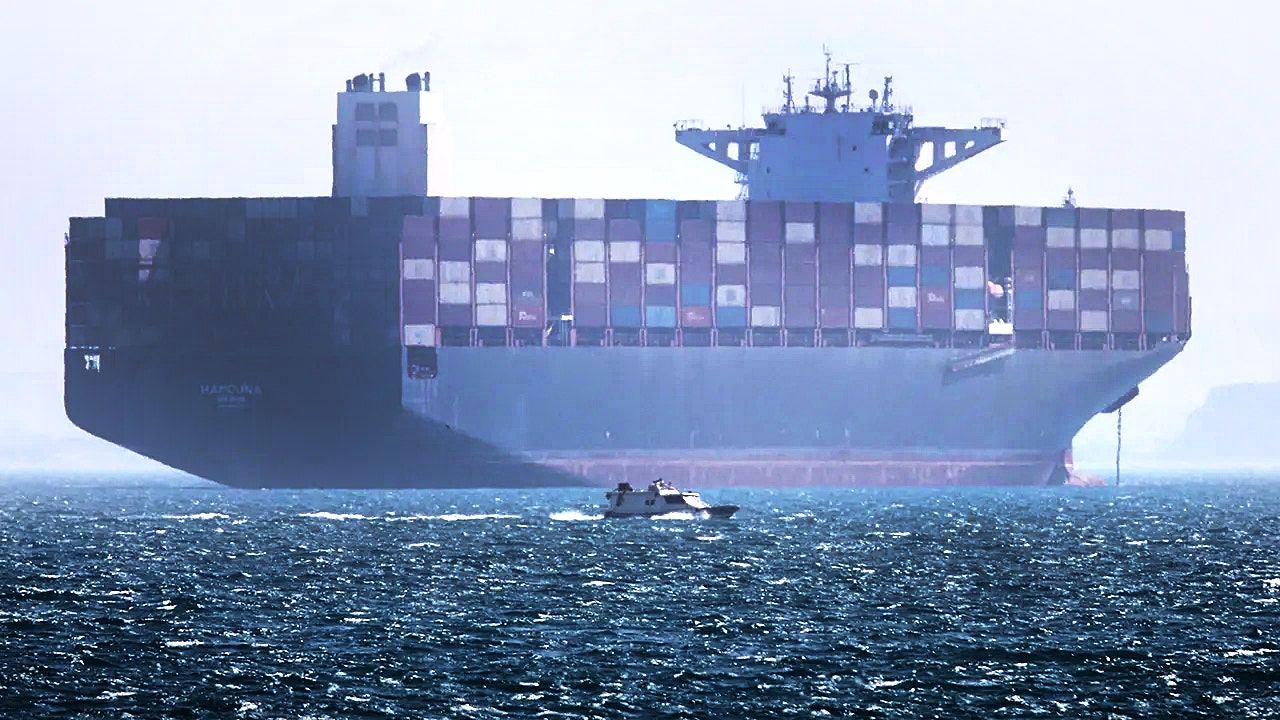
Sen. Todd Young argues that Chinese commercial vessels could be covertly retrofitted with weapons and pose a risk to U.S. ports. He cites examples of containerized weapons use in the Russia–Ukraine conflict and claims naval analysts have observed Chinese cargo ships being modified with long-range strike and surface-to-air missiles, drone launch systems, and radar/tracking equipment. Young emphasizes that many ships calling U.S. ports are owned or operated by Chinese firms and contrasts the small size of the U.S. oceangoing commercial fleet (fewer than 100 vessels) with China’s much larger fleet (reported at roughly 6,000). He warns of two scenarios: detection by U.S. intelligence leading to port closures and major economic disruption, or an undetected attack causing mass casualties and damage to petrochemical and energy infrastructure (using the Port of Houston as an example). To address these risks, Young promotes the bipartisan SHIPS Act—legislation to incentivize U.S. shipbuilding, streamline permitting, modernize maritime training, create a Maritime Security Trust Fund, and expand the U.S.-flagged fleet to 250 ships by 2035—and says the plan aligns with the Trump administration’s Maritime Action Plan.
Biblical Reflection
The article raises a plausible national-security concern—weaponization of commercial logistics is a real tactic in modern conflicts—but it presents that concern with advocacy and alarm without citing verifiable public evidence for the specific claim that Chinese commercial ships are currently operating as covert warships in U.S. ports. The piece blends strategic warning with legislative promotion: the SHIPS Act and a revival of U.S. shipbuilding are reasonable policy responses to supply-chain vulnerability and national resilience, but they are advanced here as an urgent corrective to an asserted, high-probability threat. Readers should note the editorial voice (a U.S. senator and policy advocate) and the partisan context. Christian discernment calls for balancing prudent vigilance and protection of the vulnerable (ports, workers, communities near petrochemical sites) with truthfulness, humility, and restraint toward entire peoples or cultures. Policies should be driven by verified intelligence, multilateral diplomacy, and humanitarian concern—avoiding fear-driven dehumanization of ordinary workers or civilians connected to foreign firms—while investing in resilience and lawful measures that seek peace where possible and readiness where necessary.
Scripture in context
This outlook does not yet include contextual Scripture citations. Do not treat a general biblical theme as an exegetical conclusion.
Faithful Response
No prescribed response is offered. Consider the reflection prompts below in your own church context.
Reflection and Discussion
- 1What publicly verifiable evidence supports the claim that commercial Chinese vessels are being routinely militarized, and how should policymakers weigh speculative risks against confirmed threats?
- 2Are the proposed solutions (rapid fleet expansion, tax incentives, deregulation) proportionate and likely to protect civilians and commerce without producing major economic or humanitarian side effects?
- 3How does alarmist rhetoric shape public attitudes toward foreign peoples and workers, and how can Christians advocate for security measures that preserve human dignity and seek peaceful solutions?
Sources
Reporting links are evidence inputs; Sanctuary News' biblical reflection is commentary.
This outlook currently relies on fewer than two linked sources. Broaden verification before teaching from it.
- 1.Original reportprimary