News Summary
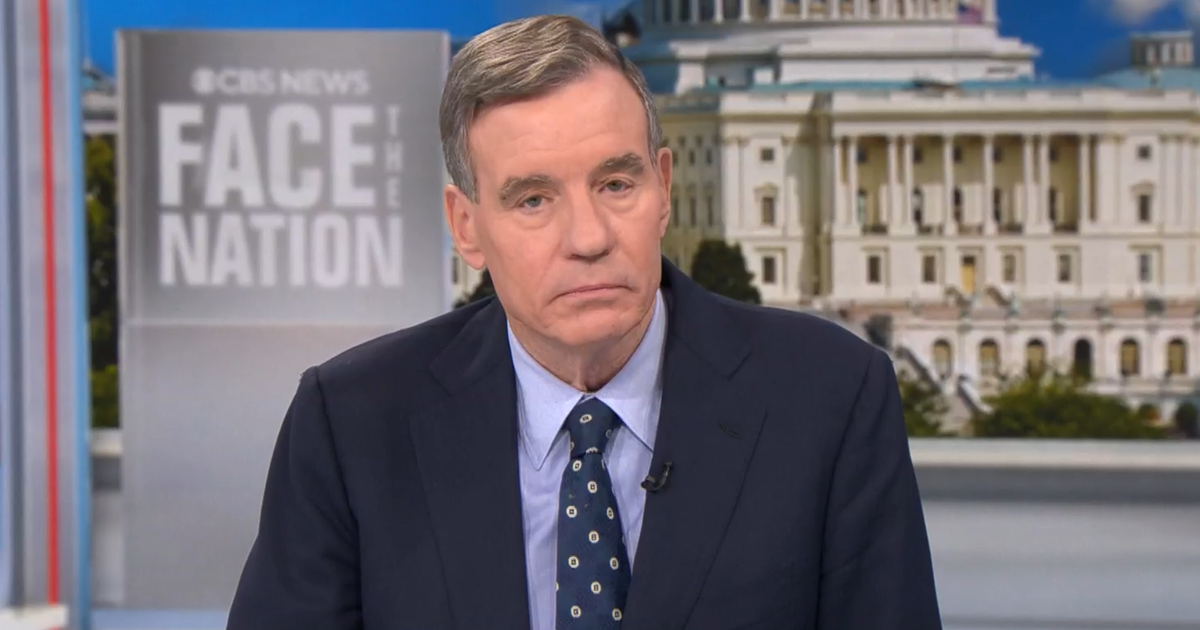
Sen. Mark Warner announced he will vote against Jay Clayton's nomination for Director of National Intelligence, citing disappointment with Clayton's confirmation hearing answers—particularly on the 2020 election and questions about Tulsi Gabbard's actions. Clayton said Biden was certified and that he is "not an election denier," but reportedly avoided answering who won in 2020. With a Republican committee majority, the article reports Clayton is expected to advance and likely be confirmed by the GOP-majority Senate. Warner also criticized acting DNI Bill Pulte for lacking intelligence experience and for issuing criminal referrals against Trump's political opponents; these assertions are presented as Warner's statements.
Source and Framing Analysis
Source role: CBS News is reporting on Senator Warner's public statements and summarizing elements of the confirmation hearing. The article relies heavily on Warner's perspective and direct quotes from him. Missing voices: the piece does not include a direct, contemporaneous statement from Jay Clayton responding to Warner's criticism (beyond the limited description of Clayton's hearing remarks), nor does it include responses from Republican committee members, other intelligence officials, or documentation verifying Warner's assertions about Bill Pulte's criminal referrals. Incentives and framing: the story focuses on a change in a key senator's position, which is newsworthy; however, that framing foregrounds partisan oversight conflict rather than a full evidentiary account of the hearing. Disputed or verify‑needed claims: assertions about Pulte issuing criminal referrals and descriptions of Clayton's precise answers and background would benefit from independent verification (hearing transcript, committee records, official statements).
Biblical Reflection
This report centers on accountability in vetting national security leadership. The article fairly reports a prominent senator's change of position and his reasons, emphasizing integrity, truthfulness, and the professional competence expected of intelligence leadership. From a Christian perspective, the story highlights the need to hold leaders accountable while avoiding partisan reductionism: questioning and critique are appropriate when they seek truth and protect the common good, but Christians should also resist the temptation to treat political actors as wholly good or wholly evil. The reporting is primarily a record of Warner's statements, so readers should note that the article privileges one committee member's perspective; it lacks a sustained response from Clayton or other supporters and offers limited independent corroboration of allegations about the acting DNI. Christians should pursue informed discernment—seeking facts, praying for leaders, and advocating for institutions that safeguard truth and the vulnerable—rather than defaulting to partisan loyalty or cynicism.
Scripture in context
- 11 Timothy 3:1-7 — Paul writes to his younger colleague Timothy about standards for selecting elders and deacons in the early church. The passage lists personal qualities—above reproach, sober-minded, respectable, hospitable, able to teach—and warns that leaders must have a good reputation outside the church so they are not open to reproach. — In public life, including appointments to sensitive offices like the DNI, Christians can apply this passage by advocating for leaders whose character, clarity of speech, and reputation protect the common good; we should press for transparency and reliable testimony, and be reluctant to endorse leaders who invite scandal or confusion about basic facts.
Faithful Response
Pray specifically for those involved in the confirmation process—nominee, senators, and intelligence professionals—and for wisdom for adjudicators.
Seek primary records (transcripts, hearing video) before forming a settled view; encourage others to do the same and avoid sharing unverified allegations.
Engage civic processes calmly and constructively: contact elected representatives to request thorough, evidence-based oversight and support transparent institutions.
Reflection and Discussion
- 1Which primary sources (hearing transcript, video, committee statements) would change your view of the nominee and why?
- 2Are our reactions to confirmation news shaped more by party identity or by concrete standards for competency and integrity?
- 3How can Christians press for institutional safeguards that reduce politicization of security and justice agencies?
Sources
Reporting links are evidence inputs; Sanctuary News' biblical reflection is commentary.
This outlook currently relies on fewer than two linked sources. Broaden verification before teaching from it.
- 1.Mark Warner says he'll vote against Trump pick Jay Clayton as DNIprimary_reporting