News Summary
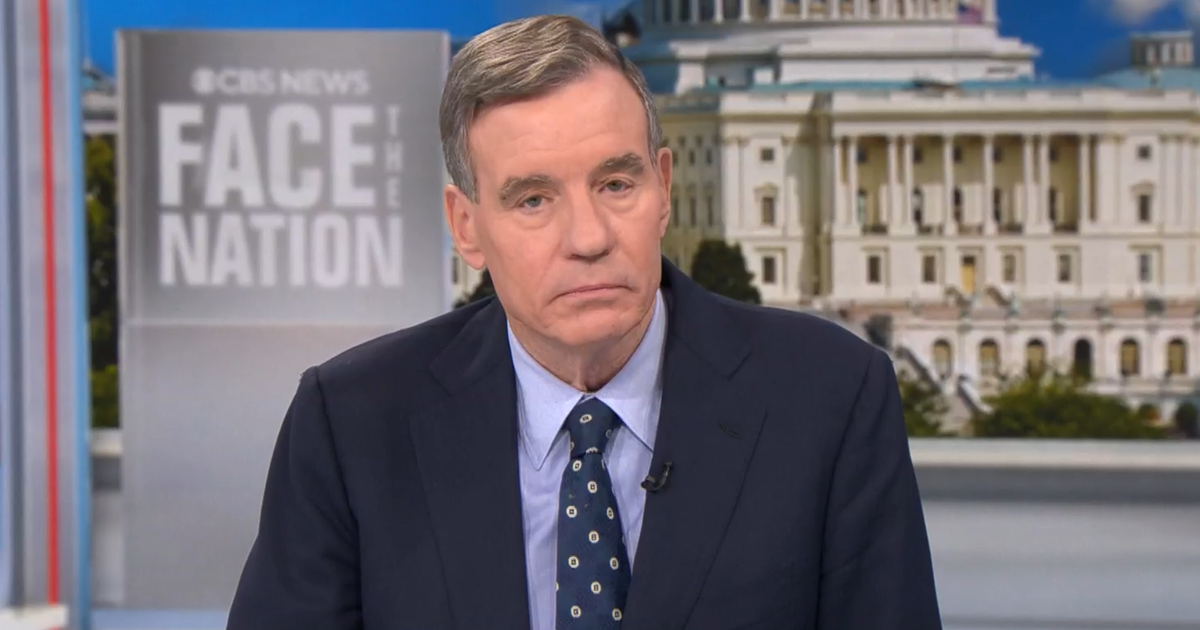
Reported facts: This CBS News transcript records an interview on July 19, 2026, in which Sen. Mark Warner said recent attacks on a U.S. base in Jordan have produced hundreds of wounded and about 16 fatalities, and he criticized the administration's handling of the conflict with Iran and of election-security institutions. Attributed claims and assertions (by Warner): there was no imminent threat from Iran prior to the administration’s actions (as a Gang of Eight member he said), securing enriched uranium would require about 15,000 troops, Ukraine offered low-cost counter-drone technology that the U.S. did not adopt, the acting DNI Bill Pulte lacks intelligence experience and has politicized information, and the president’s recent declassification claims about foreign ability to change elections were unsupported by intelligence Warner has seen. Uncertainties: the transcript does not include independent verification of casualty numbers, troop estimates, Ukraine’s technology offer and U.S. response, classified intelligence assessments referenced, or confirmation from the White House, Department of Defense, or intelligence officials.
Source and Framing Analysis
Source role: CBS provided a verbatim transcript of an on-air interview with a sitting senator; the article is primary reporting of that interview. Framing: the piece reproduces Warner’s statements and questions from the host without added independent reporting or counter-evidence. Missing voices: no Department of Defense, White House, intelligence community spokesperson, acting DNI, Jay Clayton, victims’ families, or independent defense and intelligence experts are quoted. Incentives: Warner is both a policymaker and a partisan actor—his incentives include influencing public opinion, shaping oversight, and defending or criticizing policy; CBS’ role is to transmit the interview to the public. Disputed claims and verification needs: casualty counts, operational assessments (15,000 troop estimate; progress on enriched uranium), whether Ukraine offered counter-drone tech and whether the U.S. refused, the factual basis for the president’s declassification claims about foreign ability to alter votes, and the details of Bill Pulte’s and Jay Clayton’s records all require independent verification. Because the article is a single transcript, confirmation from official statements, DoD briefings, congressional records, and independent intelligence assessments is needed.
Biblical Reflection
Warner’s interview mixes reported battlefield casualties, security assessments, and pointed political judgments. The factual elements (that attacks occurred, that service members were killed or wounded, that a senator said these things in a public interview) are straightforward; many of his operational and intelligence claims (troop estimates, whether Iran had imminent intent, details about offers from Ukraine, and motives behind administration actions) are assessments or allegations that require independent verification. From a Christian, pastoral perspective, the interview presses two responsibilities: care for those harmed and wounded—grief and support are immediate moral imperatives—and careful pursuit of truth in public discourse. The senator’s alarm about institutional competence, politicization of intelligence, and threats to election integrity highlights legitimate civic concerns; at the same time, partisan framing and confident assertions without presented evidence risk deepening fear and division. Christians called to truth, mercy, and humility should grieve with the bereaved, press for transparent evidence and accountability, resist rushing to certainty on contested claims, and advocate for practices that preserve public trust in security and elections.
Scripture in context
- 1Romans 12:17-21 — Paul addresses a largely Gentile Christian community, urging them to live distinctively under persecution and civic pressure: do not repay evil for evil, seek what is honorable before all, live at peace when possible, and leave final vengeance to God. — Applied to this story, the passage suggests Christians should press for truthful accountability (not silence wrongdoing), care for victims of violence, resist retaliatory or dehumanizing rhetoric, and advocate for policies that protect neighbors and maintain social peace while trusting God with ultimate justice.
Faithful Response
Pray specifically for the wounded, the bereaved families, and the service members defending the nation; avoid spreading unverified claims.
Seek reliable, confirmable information before forming firm public judgments—consult official statements and multiple independent sources.
Support nonpartisan efforts that provide material care for veterans and military families (relief funds, counseling, local ministry partnerships).
Participate in civic channels (contact elected representatives, attend public briefings) to request transparent intelligence and accountability for decisions that led to conflict.
Reflection and Discussion
- 1Which parts of the interview are firsthand reporting (who said what) and which are authoritative factual claims that need independent evidence?
- 2Whose perspectives are missing from this account (e.g., Defense Department, intelligence community, affected service members and families), and how would those voices change your understanding?
- 3How does partisan framing in public commentary affect public trust in institutions that protect the common good?
Sources
Reporting links are evidence inputs; Sanctuary News' biblical reflection is commentary.
This outlook currently relies on fewer than two linked sources. Broaden verification before teaching from it.
- 1.Transcript: Sen. Mark Warner on "Face the Nation with Margaret Brennan," July 19, 2026primary_reporting