News Summary
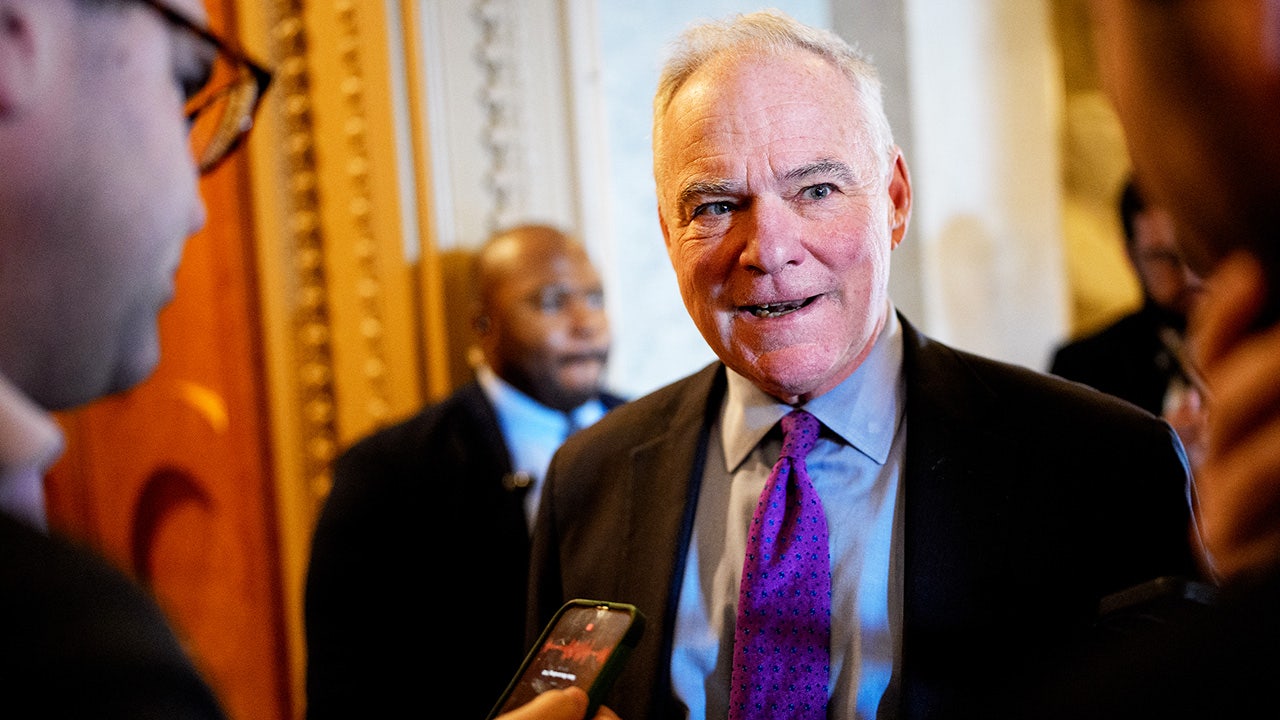
Sen. Tim Kaine (D‑Va.) urged prosecutors to try, convict, and punish the undocumented man charged in the killing of Stephanie Minter before any deportation, saying he fears deportation could allow the accused to "escape accountability." Authorities charged 32‑year‑old Abdul Jalloh, a Sierra Leone native, with second‑degree murder after Minter, 41, was found dead at a Fairfax, Virginia bus stop. The Department of Homeland Security states Jalloh had been arrested more than 30 times previously on a range of alleged offenses (including rape, malicious wounding, assault, drug possession, identity theft, and trespassing), and local authorities previously dropped charges that allowed him to be released. Kaine suggested that ICE may have failed to pick up detainees in the past in Virginia; DHS was contacted for comment. The article reports Kaine’s public statements and the factual status of the charges but does not report a conviction.
Biblical Reflection
From a biblical perspective this story surfaces two consistent moral concerns: the need for just accountability and the call to treat human beings with dignity. Scripture affirms that societies should pursue justice (e.g., God’s requirement to "act justly") and hold wrongdoers accountable, which supports Senator Kaine’s insistence that serious criminal allegations be fully pursued through due process. At the same time, Christians should beware of narratives that conflate criminality with a person’s immigration status or that dehumanize migrants. The article centers a public official’s demand for prosecution and highlights systemic failures (charges dropped, many prior arrests, questions about detainers). That factual framing rightly focuses attention on failures in enforcement and prosecution, but it can also be used politically to simplify complex causes (local prosecutorial decisions, law‑enforcement capacity, immigration enforcement coordination). Beware of two unhelpful extremes: 1) assuming guilt beyond the charge (the accused is still entitled to due process), and 2) treating immigration status as the sole explanation for systemic failure. A faithful Christian response holds both the victim’s need for justice and the accused’s right to a fair legal process in tension, calls out institutional failures where they exist, and resists politicized scapegoating. Finally, the piece implicitly advances a worldview that prioritizes public safety and legal accountability; Christians should test that priority against mercy, truth, and the call to seek the welfare of neighbors, remembering that pursuing justice includes caring for victims’ families and pursuing reforms that prevent future harm.
Scripture in context
This outlook does not yet include contextual Scripture citations. Do not treat a general biblical theme as an exegetical conclusion.
Faithful Response
No prescribed response is offered. Consider the reflection prompts below in your own church context.
Reflection and Discussion
- 1How does focusing on the accused's immigration status shape public understanding of the crime, and does that focus risk obscuring other institutional failures (prosecution, local policing, social services)?
- 2Are we holding both to the biblical demands for justice for victims and for fair due process for the accused, or does our rhetoric incline toward presumption and dehumanization?
- 3What systemic changes (law enforcement coordination, prosecutorial practice, social supports) does the coverage raise that deserve sober, nonpartisan scrutiny rather than immediate politicization?
Sources
Reporting links are evidence inputs; Sanctuary News' biblical reflection is commentary.
This outlook currently relies on fewer than two linked sources. Broaden verification before teaching from it.
- 1.Original reportprimary