News Summary
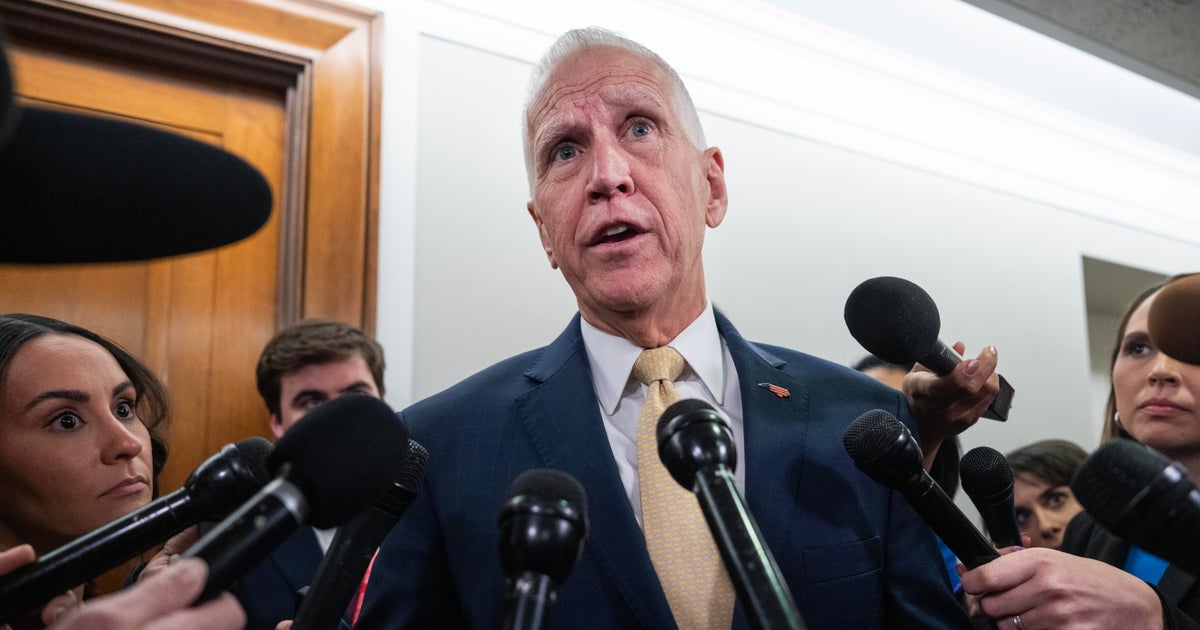
Sen. Thom Tillis (R-N.C.), a member of the Senate Banking Committee, announced he is prepared to move forward with the confirmation of Kevin Warsh as chair of the Federal Reserve Board of Governors. Tillis had previously vowed not to support Fed nominations while a Justice Department criminal investigation into Chair Jerome Powell and the Fed’s $2.5 billion headquarters renovation remained open. On Friday, U.S. Attorney Jeanine Pirro said her office was ending that probe. Tillis said he received assurances from the Justice Department that the investigation is closed and would only be reopened if the Fed’s inspector general made a criminal referral. Tillis praised the inspector general’s review as appropriate and said the Fed should return its attention to its mission. The Senate Banking Committee is scheduled to vote on Warsh’s nomination on Wednesday; the committee has 13 Republicans and 11 Democrats. Background details: Powell’s term ends May 15. President Trump nominated Warsh in January 2026. Powell disclosed that grand-jury subpoenas were issued in the renovation probe but a U.S. district judge blocked the subpoenas in March, concluding they were an attempt to pressure Powell. Pirro has said she will appeal that decision. The Fed’s inspector general, led by Michael Horowitz, is actively reviewing the renovation project and expects to publish findings.
Biblical Reflection
From a Christian perspective this story raises two central concerns: the need for accountable, transparent public institutions and the danger of politicizing investigations or instrumentalizing justice. The article reports concrete procedural steps—Tillis conditioned his support on the status of a criminal probe, the U.S. Attorney announced it was closing the investigation, and the inspector general continues an audit. Those developments, if accurate, reflect use of different oversight mechanisms (criminal investigation, judicial review, inspector general audit). Christians should welcome legitimate accountability that pursues truth without partisan ends. At the same time, the facts here show how political pressure and public statements can shape perceptions of institutional independence—the president publicly criticized the Fed, a U.S. attorney ended a probe, a judge blocked subpoenas citing improper pressure, and a senator timed his vote with the probe’s status. That mix can foster distrust and make it harder for citizens to distinguish genuine accountability from political maneuvering. Biblically, we are called to pursue justice, truth, humility, and wise stewardship of public trust (e.g., Micah 6:8; Proverbs on integrity). Apply those standards here: ask whether processes respected due process and proper jurisdiction, whether oversight bodies are operating on evidence rather than partisan signals, and whether leaders are promoting the common good rather than personal or partisan advantage. The article itself is straightforward and low on rhetorical flourish; however, readers should remain alert to implicit biases—political actors’ statements serve partisan aims, and selective reporting of quotes or timing can amplify particular narratives. Christians should pray for clarity and integrity, advocate for independent, fact-based oversight, and resist reducing complex institutional questions to tribal loyalties.
Scripture in context
This outlook does not yet include contextual Scripture citations. Do not treat a general biblical theme as an exegetical conclusion.
Faithful Response
No prescribed response is offered. Consider the reflection prompts below in your own church context.
Reflection and Discussion
- 1Am I interpreting institutional developments through partisan loyalties, or am I evaluating them by consistent standards of justice, truth, and due process?
- 2Where might legitimate oversight end and politically motivated pressure begin in this situation, and how should Christians discern between the two?
- 3How does the health of public institutions (their independence and integrity) affect the common good, and what virtues should we prioritize when judging their leaders?
Sources
Reporting links are evidence inputs; Sanctuary News' biblical reflection is commentary.
This outlook currently relies on fewer than two linked sources. Broaden verification before teaching from it.
- 1.Original reportprimary