News Summary
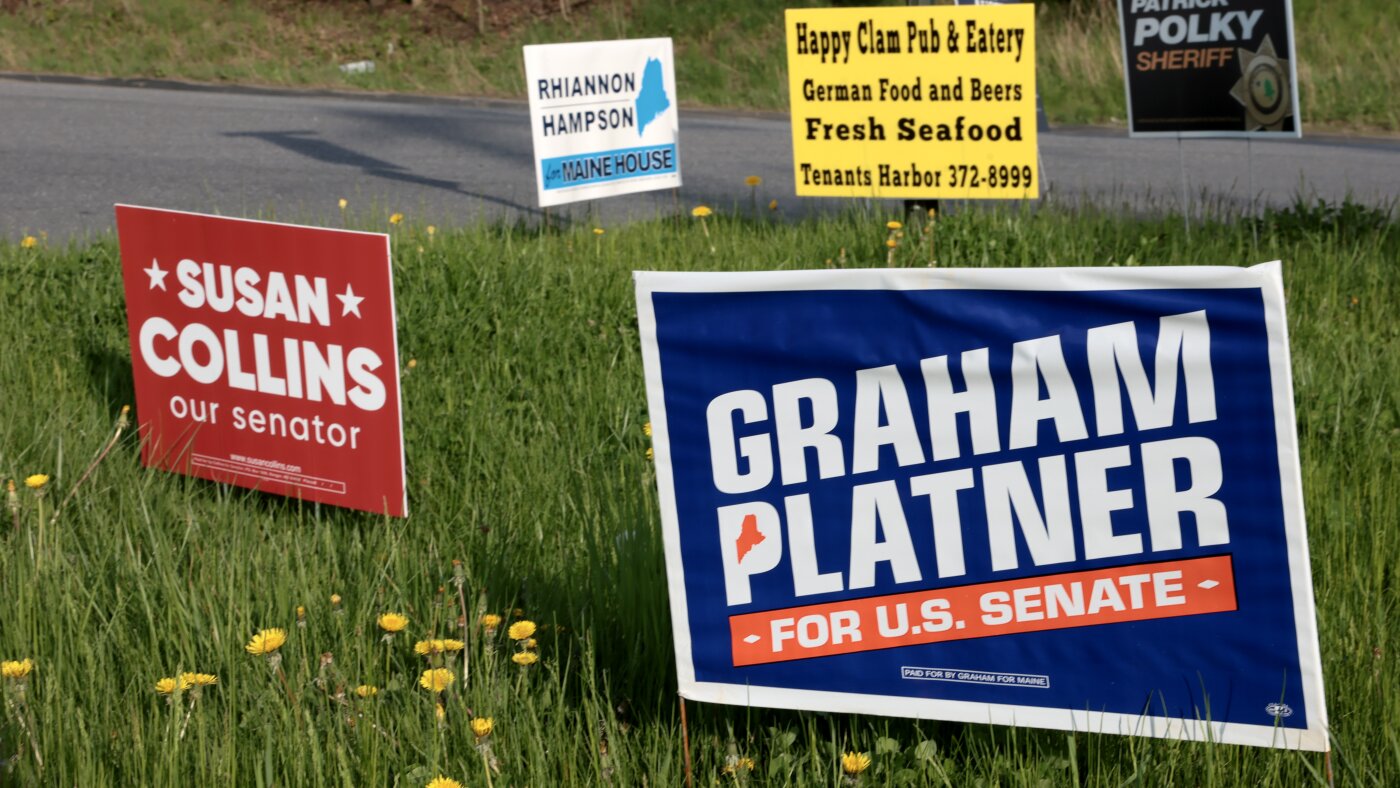
Incumbent Republican Sen. Susan Collins is campaigning for a sixth term in the U.S. Senate by emphasizing her seniority and record of securing federal funding for projects in Maine. Collins, who serves as chair of the Senate Appropriations Committee, highlights roughly $1.5 billion in congressional spending over five years for nearly 700 local projects and cites examples including a breakwater dock in Eastport, support for community colleges and trade-incubator programs, funding to combat spruce budworm damage to timber, and language opposing tariffs that would have hurt a cross-border paper mill. Her campaign frames these tangible federal dollars as evidence that Maine benefits when she remains in senior leadership. Democrat Graham Platner, who became the likely nominee after Gov. Janet Mills suspended her campaign, criticizes Collins as offering symbolic or performative opposition to national policies he says harm working-class Mainers. Platner argues that earmarks and isolated projects do not offset broader policy choices — including votes tied to a package that includes Medicaid cuts — and calls for systemic change. Independent voters in Maine are identified as a key swing group. Commentators and national figures note the race's potential impact on Senate control.
Biblical Reflection
From a biblical perspective this article surfaces familiar questions about power, stewardship, and priorities. Collins’ emphasis on bringing federal dollars to Maine reflects a long-standing political approach: using influence to obtain concrete benefits for local communities. That approach can reflect responsible stewardship when it addresses real needs (infrastructure, education, pest control, public health). But Scripture warns believers to test leaders and policies by justice, truth, and care for the vulnerable (Micah 6:8). Platner’s critique points to legitimate concerns about systemic injustice and whether political systems privilege elites over working people. Christians should neither romanticize political effectiveness nor accept partisan slogans uncritically. Look for evidence: do the funds reach the most vulnerable and promote flourishing, or primarily reward special interests? Be aware of framing and incentives — incumbent narratives highlight tangible wins; insurgent narratives highlight moral urgency and structural reform. Both frames can contain partial truths and blind spots. The faithful response is to seek truth, refuse cynicism, and weigh both means and ends: accountability for how power is used, compassion for those harmed by policy, and humility about the limits of any single leader. Pray for wisdom, prioritize policies that protect the poor and common good, and resist idolizing political clout as an ultimate moral measure.
Scripture in context
This outlook does not yet include contextual Scripture citations. Do not treat a general biblical theme as an exegetical conclusion.
Faithful Response
No prescribed response is offered. Consider the reflection prompts below in your own church context.
Reflection and Discussion
- 1Whose needs are centered by the article's framing — local constituents with specific projects, or broader groups harmed by national policy — and how does that shape what is presented as a 'success'?
- 2Does the piece treat political influence (seniority, earmarks) as intrinsically good, and what criteria should Christians use to evaluate whether influence serves justice and the vulnerable?
- 3Are messages of pragmatic benefit (projects, jobs) being used to distract from structural policy choices, and how should I weigh short-term gains against long-term systems that affect the poor?
Sources
Reporting links are evidence inputs; Sanctuary News' biblical reflection is commentary.
This outlook currently relies on fewer than two linked sources. Broaden verification before teaching from it.
- 1.Original reportprimary