News Summary
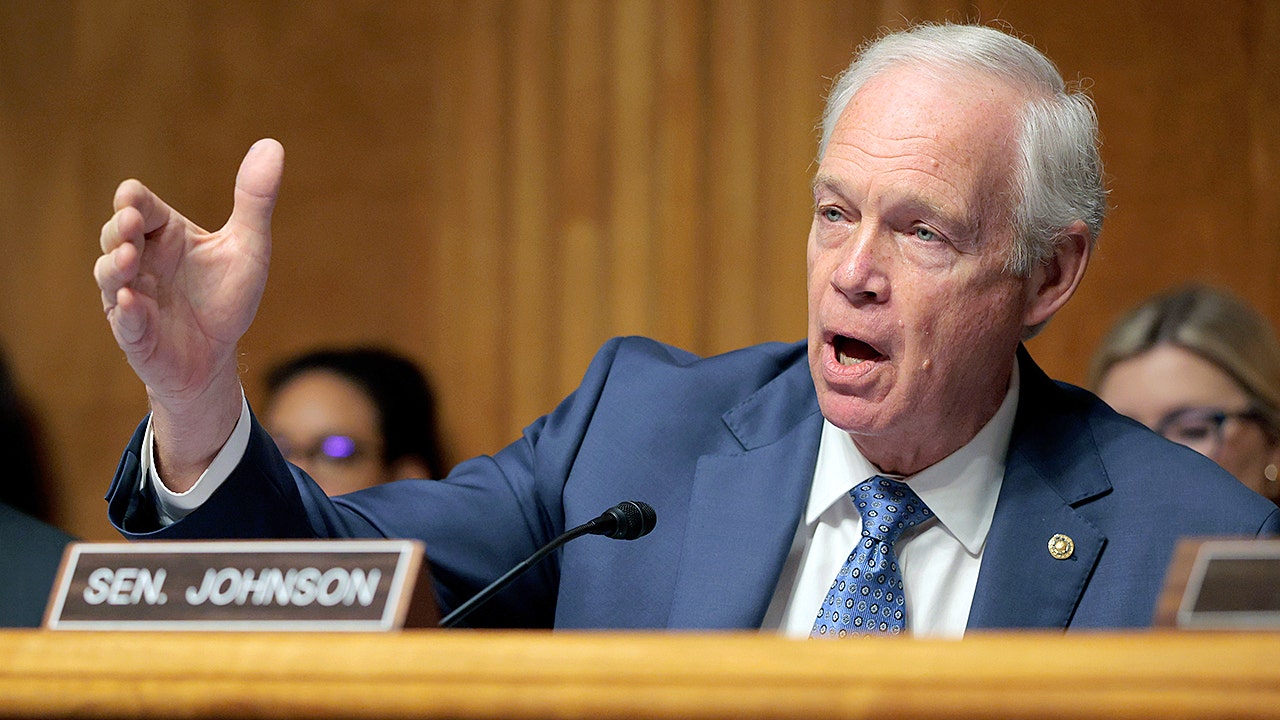
Sen. Ron Johnson (R–Wis.) said on Fox News' "Sunday Morning Futures" that the Senate is "broken" and urged Republicans to move toward ending the Senate filibuster (the 60-vote threshold to end debate) amid a dispute over Department of Homeland Security (DHS) funding. Johnson accused Democrats of refusing to fully fund DHS — specifically Immigration and Customs Enforcement (ICE) and other border-related priorities — unless reforms to ICE and U.S. Customs and Border Protection (CBP) are accepted. He called Democrats "obnoxious" and "obstructionist," blamed them for a partial government shutdown affecting agencies such as the TSA, and said the filibuster rule is preventing action on border and homeland security. Johnson proposed using the budget reconciliation process to pass DHS funding through fiscal year 2029 and then to pursue funding for the rest of government via reconciliation if regular appropriations are blocked. He acknowledged he lacks enough Republican votes to eliminate the filibuster now and argued that the Senate’s complex rules are impeding governance. The article is a report of Johnson’s statements; it cites related impacts such as wait times at airports due to TSA funding shortfalls and notes that Johnson and other lawmakers are in a partisan budget standoff over DHS funding and proposed immigration-related reforms.
Biblical Reflection
This article primarily reports one senator’s assessment and policy proposal; its framing centers on Johnson’s argument that Senate rules (the 60-vote filibuster threshold) are preventing necessary homeland-security funding. As a reader, note that the piece gives significant space to Johnson’s claims and rhetoric (including his characterization of Democrats as "obnoxious" and "obstructionist") without substantive on-the-record responses from Democratic leaders in the same report. That creates a one-sided, partisan focus where assertions about motives and outcomes are presented largely as the senator’s view.
From a Christian/scriptural vantage point several issues stand out. First, the rhetoric — name-calling and partisan demonizing — runs counter to Biblical guidance about speech and the call to pursue truth and charity (James 3; Ephesians 4). Second, the debate touches legitimate Christian concerns: the responsibility of government to protect the common good (including national security and public safety), the moral imperative to treat migrants and vulnerable people justly (Deuteronomy 10:18; Matthew 25), and the stewardship of public resources. Christians should test political claims for factual accuracy and charitable intent rather than adopt tribal responses. Claims about process changes (ending the filibuster or using reconciliation) have real institutional consequences; Christians should weigh whether procedural fixes advance long-term justice and the common good or simply escalate partisan advantage.
Finally, the article illustrates how political conflict can tempt believers toward either uncritical support for a leader’s rhetoric or towards cynical disengagement. Scripture calls Christians to speak truth in love, to seek justice, and to pray for rulers (1 Timothy 2:1–2). Evaluate policy proposals on their merits — do they protect the vulnerable, maintain just order, and reflect truthful argumentation — and be wary of rhetoric that substitutes moral certitude for careful discernment.
Scripture in context
This outlook does not yet include contextual Scripture citations. Do not treat a general biblical theme as an exegetical conclusion.
Faithful Response
No prescribed response is offered. Consider the reflection prompts below in your own church context.
Reflection and Discussion
- 1Whose voices and facts are present or absent in this article, and how does that shape the reader’s view of who is responsible for the funding stalemate?
- 2Does the language used (e.g., calling the Senate 'broken' or opponents 'obnoxious') aim to diagnose a structural problem or to delegitimize political opponents? How should Christians respond to both kinds of claims?
- 3If procedural changes like ending the filibuster were pursued, what long-term effects on institutions and the common good should be weighed beyond short-term policy gains?
Sources
Reporting links are evidence inputs; Sanctuary News' biblical reflection is commentary.
This outlook currently relies on fewer than two linked sources. Broaden verification before teaching from it.
- 1.Original reportprimary